






 Portuguese
  Spanish


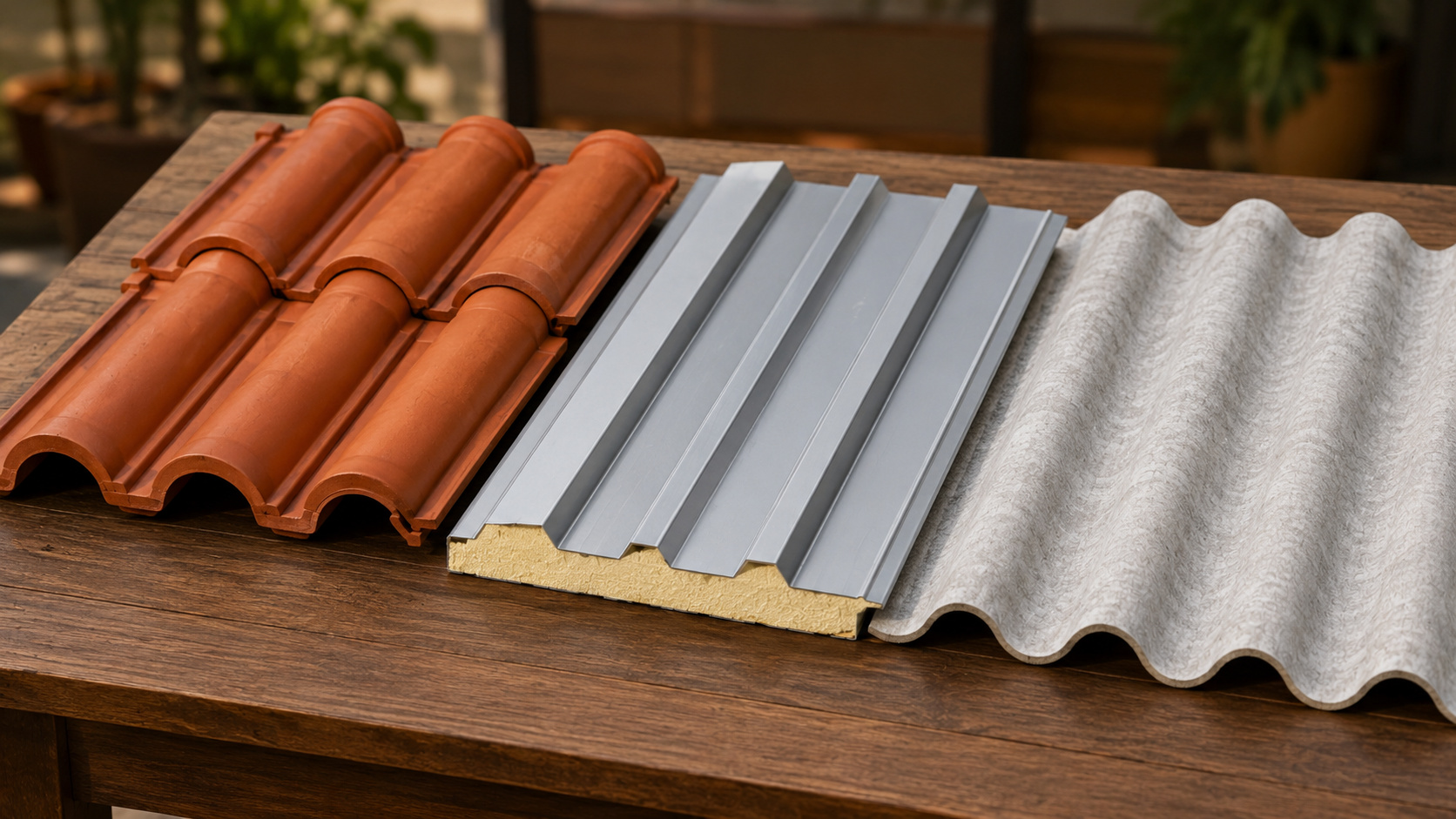

Discover how thermal roofing, ceramic tiles, and fibrocement influence thermal insulation, keeping the house cool and reducing energy consumption.
Choosing the right roofing is vital for thermal comfort and energy efficiency of a building. Faced with climate variations, homeowners seek alternatives to cool environments without relying solely on air conditioning. Knowing which roof keeps the house cool helps create much more sustainable renovations.
According to information released by Olhar Digital on July 10, 2026, the correct specification of components prevents structural problems and improves the internal thermal sensation. This attention to thermal insulation considerably reduces the electricity consumption associated with the use of artificial climate control.
The planning of the Ministry of Cities for a cool house
The design of an efficient roof requires certified materials that block direct solar radiation. According to the official guidelines of the Ministry of Cities, there are specific technical recommendations to optimize social interest housing in Brazil.
-
More than 1,200 concrete mixer trucks poured 12,000 cubic yards of concrete over 36 hours to complete the foundation of the Okan Tower, a 70-story skyscraper that is set to transform downtown Miami with a Hilton hotel, residences, offices, commercial area, and rooftop pool by 2027.

-
McDonald’s discovered a 45-meter Roman road and three burials during construction, funded the preservation, and opened the restaurant with customers walking over the find on a glass floor.

-
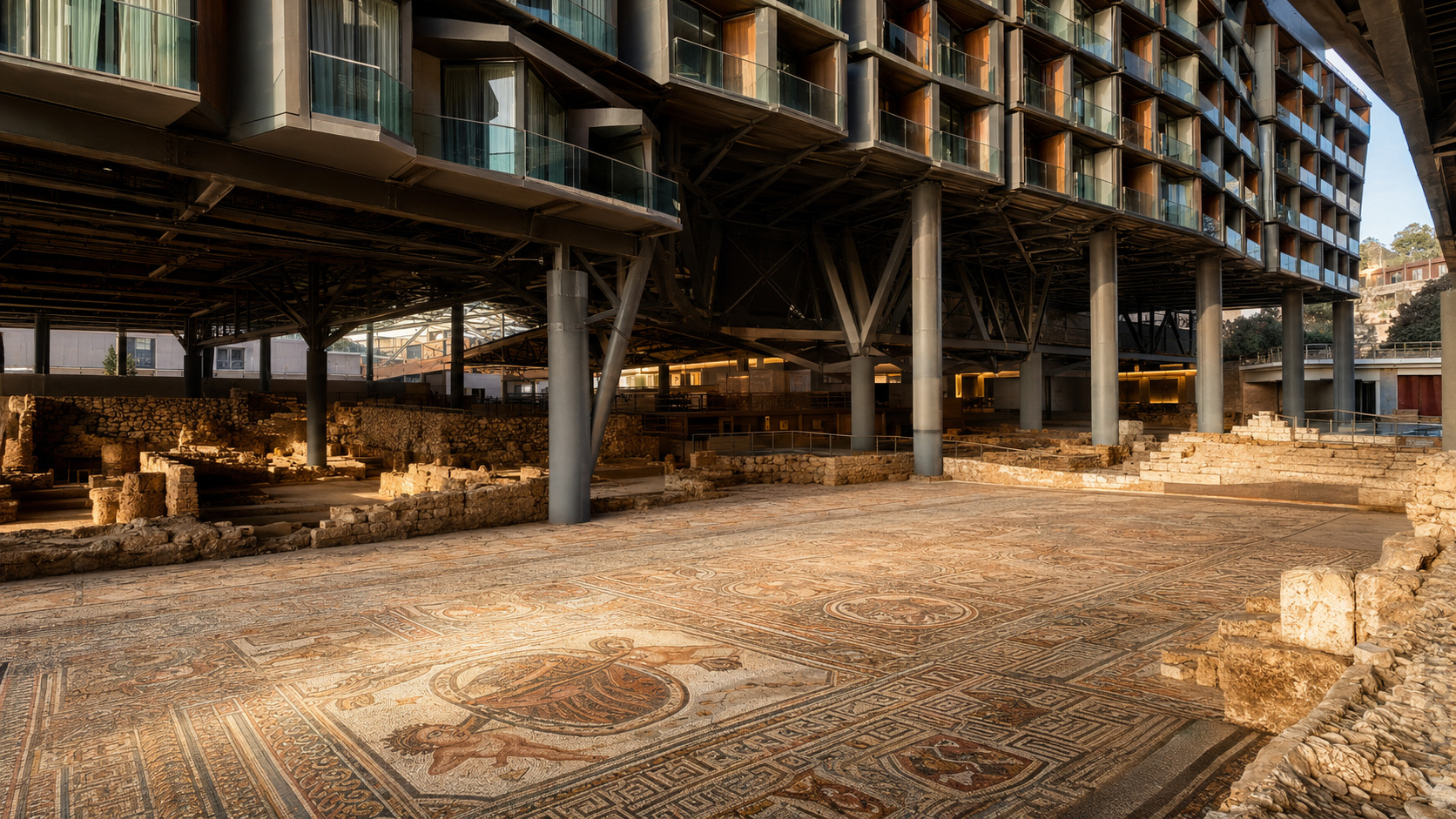
A 400-room hotel began construction in Turkey, but excavations uncovered 2,300-year-old ruins, a mosaic of over a thousand square meters, and 35,000 objects, forcing engineers to cut half of the accommodations and suspend the building over a museum.
-
Four runways, 270 airplanes, and a capacity for 110 million passengers per year: the $12.5 billion mega-airport designed by Zaha Hadid’s office is starting to take shape in Ethiopia, an “airport city” where up to 80% of travelers will be just passing through.



The objective of the public agency is to reduce the impact of heat islands in Brazilian cities. The correct choice of roofing prevents pathologies in the construction and ensures a cool house in any season of the year. Among the options analyzed in the ministry’s regulations, three very common solutions in the national market stand out:
- Ceramic tiles: Acts as an intermediate natural insulator with excellent financial viability.
- Thermal sandwich: Thermoacoustic metal structure with an insulating core for greater thermal insulation.
- Reflective fibrocement: Corrugated sheets that require a special light coating to mitigate heating.
The engineering behind the thermal roof and the heat block
Sandwich-type roofs have gained a lot of space in the market due to their high-performance insulation. The thermal roof is composed of two metal sheets that enclose a dense core of polyurethane or expanded polystyrene. This physical structure prevents solar energy from passing through the roof and directly reaching the slab.
To achieve the efficiency planned by engineers, the insulating core must have a minimum thickness of thirty millimeters. This technical care ensures the blocking of heat waves even under the most scorching sun exposure of the day.
Besides temperature control, the thermal roof offers other important practical advantages:
- Drastic reduction in noise transmission caused by heavy rain or strong winds.
- High durability and low maintenance requirement for the supporting woodwork.
- Mechanical lightness that simplifies the assembly process and saves beams.
- Excellent watertightness that prevents leaks at the roof joints.


The ecological value of traditional ceramic tiles in tropical climates
The models made of fired clay remain popular for their ability to retain and release heat slowly. Being a porous material, the ceramic tile absorbs temperature gradually, delaying the entry of heat into the rooms. This natural barrier prevents abrupt thermal fluctuations throughout the day, maintaining the internal thermal stability of the building.
Besides thermal comfort, the ceramic tile offers a timeless aesthetic that adapts to various regional architectural styles. It is an option with excellent cost-benefit for those who wish to renovate sustainably.
To enhance this traditional covering, the market recommends associating the pieces with reflective blankets, creating an extra layer of thermal insulation that optimizes internal freshness.

Technical care when installing fiber cement sheets
The corrugated fiber cement sheets are highly sought after for their quick assembly and low purchase cost. However, due to their thin thickness, they transmit solar radiation into the interior of the property very easily. Without extra planning, fiber cement can turn internal rooms into stuffy and hot spaces.
To solve this problem, experts recommend applying a reflective paint in ice white on the external surface. This light paint reflects solar rays back into the atmosphere, reducing the heat retained by the fiber cement sheet. The use of aluminum blankets as secondary thermal insulation under the roof also helps achieve the desired result.

Designing air outlets to ensure internal comfort
Regardless of using the traditional ceramic tile, fiber cement, or thermal sheets, ensuring air circulation in the attic is essential to disperse accumulated heat.
Creating openings at the ends of the roof allows hot air to rise and exit naturally by convection. This detail prevents heat from being trapped over the slab at night, resulting in a cool house by morning.
The use of bird screens and meshes in the openings ensures continuous ventilation without allowing small animals to enter. Planning these engineering details enhances the building, prevents issues like humidity and mold, and improves the quality of the urban environment.
How to balance materials and techniques to maintain a pleasant temperature
To achieve maximum performance with a thermal roof, the correct thickness of polyurethane ensures efficient blocking of direct radiation. In projects with a smaller budget, the fiber cement sheet requires investments in reflective paint and additional radiant barriers to become viable. Meanwhile, the ceramic tile stands out as the perfect balance between cost-effectiveness and durability.
The choice of the ideal material, combined with thermal insulation systems and openings for air circulation, works as an integrated mechanism. Proper planning allows maintaining a cool house without relying on air conditioning units, generating real financial savings and a more sustainable routine.


