






 Portuguese
  Spanish


Named Bishoftu International Airport, Ethiopia’s mega-airport aims to be the largest in Africa. It will have four runways and space for 270 aircraft, in a US$ 12.5 billion project that starts in 2030 with 60 million passengers and targets 110 million in the final phase.
Africa is about to gain a new aviation colossus. Ethiopia has begun construction of a mega-airport that promises to change the future of international travel on the continent. According to the NSC Total portal, Bishoftu International Airport will have a final capacity for an impressive 110 million passengers per year, a number close to the largest terminals on the planet.
Estimated at US$ 12.5 billion, the project is located near the city of Bishoftu, about 40 to 45 kilometers from Addis Ababa, the Ethiopian capital. The construction officially began in January 2026, and the first phase is expected to open in 2030, already with a structure for 60 million annual passengers.
Four runways, 270 planes, and 110 million passengers
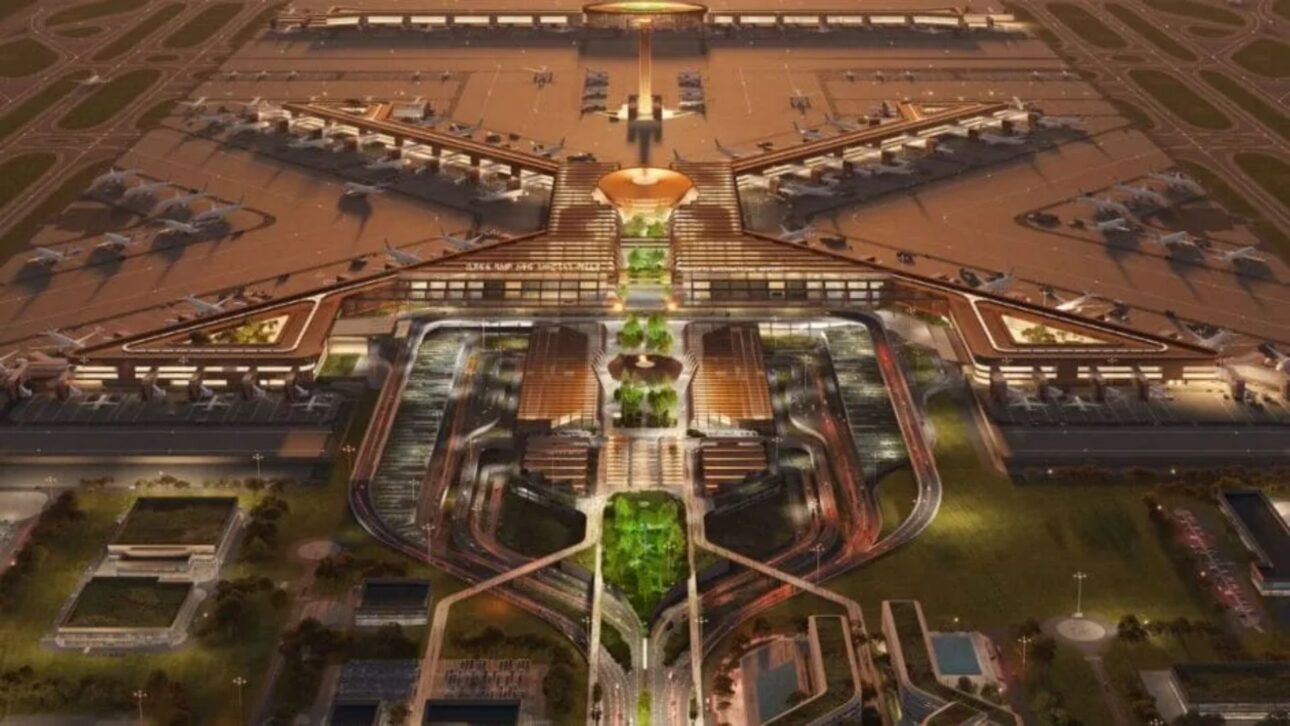
The project’s numbers are impressive. When ready, the mega-airport will have four runways, space for 270 aircraft and capacity far above the largest airports Africa has today. The design is by the renowned Zaha Hadid Architects office, known for bold works around the world.
-
Giant 1,631-ton HS2 railway bridge was rotated 90º and pushed night after night over a busy avenue in Birmingham, UK, advancing up to 24 meters at a time and completed four days ahead of schedule to bring high-speed trains to Curzon Street.

-
São Paulo plans the largest road tunnel in Brazil, over 6 km in the Serra do Mar, as part of an R$ 8 billion project that promises to increase the capacity for trucks and buses between the plateau, the coast, and the Port of Santos by 145%.
-
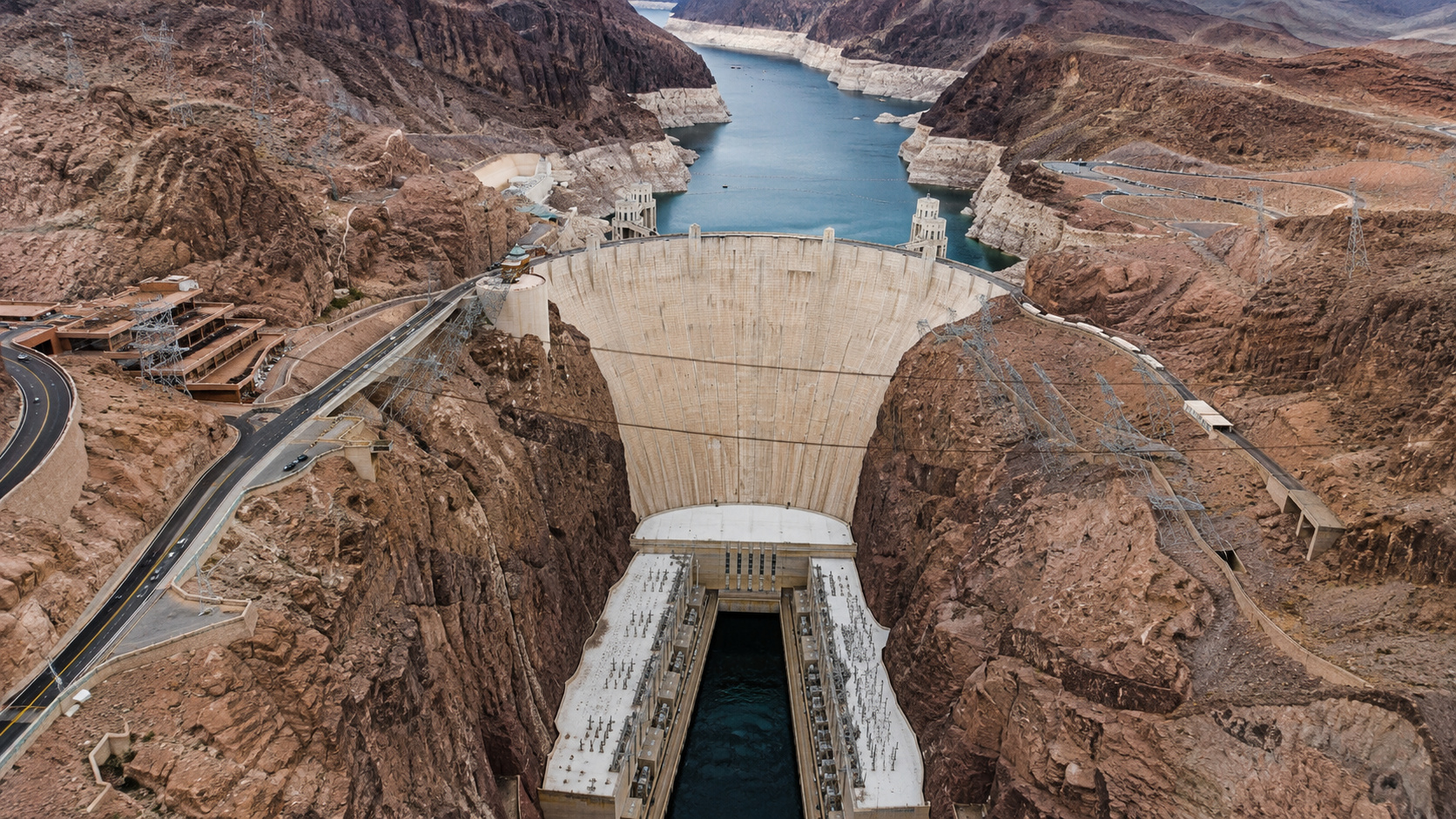
Few people know, but a dam in the USA required 5 million barrels of cement, 4.44 million cubic yards of concrete, and even an ice plant capable of producing 2 million pounds per day to prevent cracking during curing; discover the engineering behind the Hoover Dam.

-
They seemed sturdy enough to support a 222-meter tower, but three giant bolts broke because invisible hydrogen atoms had weakened the steel.



The ambition is clear: to be the largest airport on the African continent. The final goal of 110 million passengers per year places Bishoftu on the same level as global giants and makes the venture a significant bet on the future of air travel.
An “airport city” where up to 80% just pass through
The idea, however, goes far beyond a large terminal. Ethiopian Airlines and the Zaha Hadid office treat the venture as a true “airport city”, with a terminal, hotel, commercial areas, connection spaces, air cargo, and rapid transport links.
A significant portion of this flow, in fact, will not even stay in Ethiopia. According to the project, up to 80% of passengers may be just in transit, changing flights on their way to another destination. In other words, the mega-airport is designed to be a major hub for global aviation.
Why Ethiopia needs a new hub
The construction of an airport from scratch has a practical reason. The country’s current main airport, Addis Ababa Bole, is surrounded by urban areas and faces serious restrictions for growth. Bishoftu emerges as a viable solution, being built in an open area with plenty of space for expansion.
Behind the plan is one of Africa’s strongest companies. Ethiopian Airlines operates flights to over 160 destinations domestic, international, and cargo, and wants to expand its global presence within the strategy dubbed Vision 2035. The new hub is a central piece in this strategy.
Opened in phases: 2030 and then 110 million
The giant will not be born ready. Construction officially began in January 2026, and the first phase is scheduled for 2030, already with a capacity for 60 million passengers per year — a number that alone would place Bishoftu among the world’s major hubs.
The final phase is even more ambitious, aiming for 110 million annual passengers. To give an idea, the largest airports in the world in 2025 revolved around this volume: Atlanta had 106.3 million, Dubai 95.2 million, and Tokyo-Haneda 91.7 million, according to the ACI World ranking.
US$ 12.5 billion: who will foot the bill
A project of this scale requires matching financing. Of the total US$ 12.5 billion, Ethiopian Airlines intends to cover 30%, while the rest is expected to come from international financiers, according to Reuters.
The African Development Bank has also joined the operation: it committed US$ 500 million and is working on raising another US$ 8.7 billion to make the project feasible. Not surprisingly, Prime Minister Abiy Ahmed Ali described the venture as “the largest aviation infrastructure project in Africa’s history”.
African aviation in full takeoff
The mega-airport emerges at a time of expansion for air transport on the continent. A report by IATA estimates that the number of passengers in Africa will grow by 3.7% per year between 2023 and 2043, which would represent an additional 179 million travelers during the period.
The economic effects are equally significant. According to a survey by the Air Transport Action Group, aviation already supports 8.1 million jobs and $75 billion in GDP in Africa — and the projection is to reach 16 million jobs and $190 billion by 2043. A scenario where a hub like Bishoftu can make all the difference.
And you, would you board a connection in this giant?
From four runways to an “airport city” for 110 million passengers, the mega-airport of Bishoftu promises to put Ethiopia at the center of the world aviation map.
And you, would you board a connection in this African giant? Do you think projects like this will change the way we fly around the world? Leave your opinion in the comments and share with those who love to follow the great works of the planet.


