Portuguese
  Spanish


Discovery in Frattocchie, near Rome, forced the company to review the construction, finance excavations, and integrate an ancient road linked to the Via Appia into the new building. The result was a restaurant with a glass floor and independent access to the archaeological area, keeping the enterprise operational without hiding the heritage found on the site.
McDonald’s found a 45-meter Roman road and three human burials during the construction of a unit in Frattocchie, Italy. Instead of abandoning the site or covering the ruins, the company adapted the project and opened the restaurant over the find.
The information was published by The Sun, a British newspaper with general news and international coverage. The discovery occurred in 2014, during the construction of the restaurant, which began receiving customers in 2017.
The project combined construction, archaeology, and preservation on the same site. The company financed the work and installed transparent panels on the floor, allowing customers to observe part of the ancient road while moving through the establishment.
-
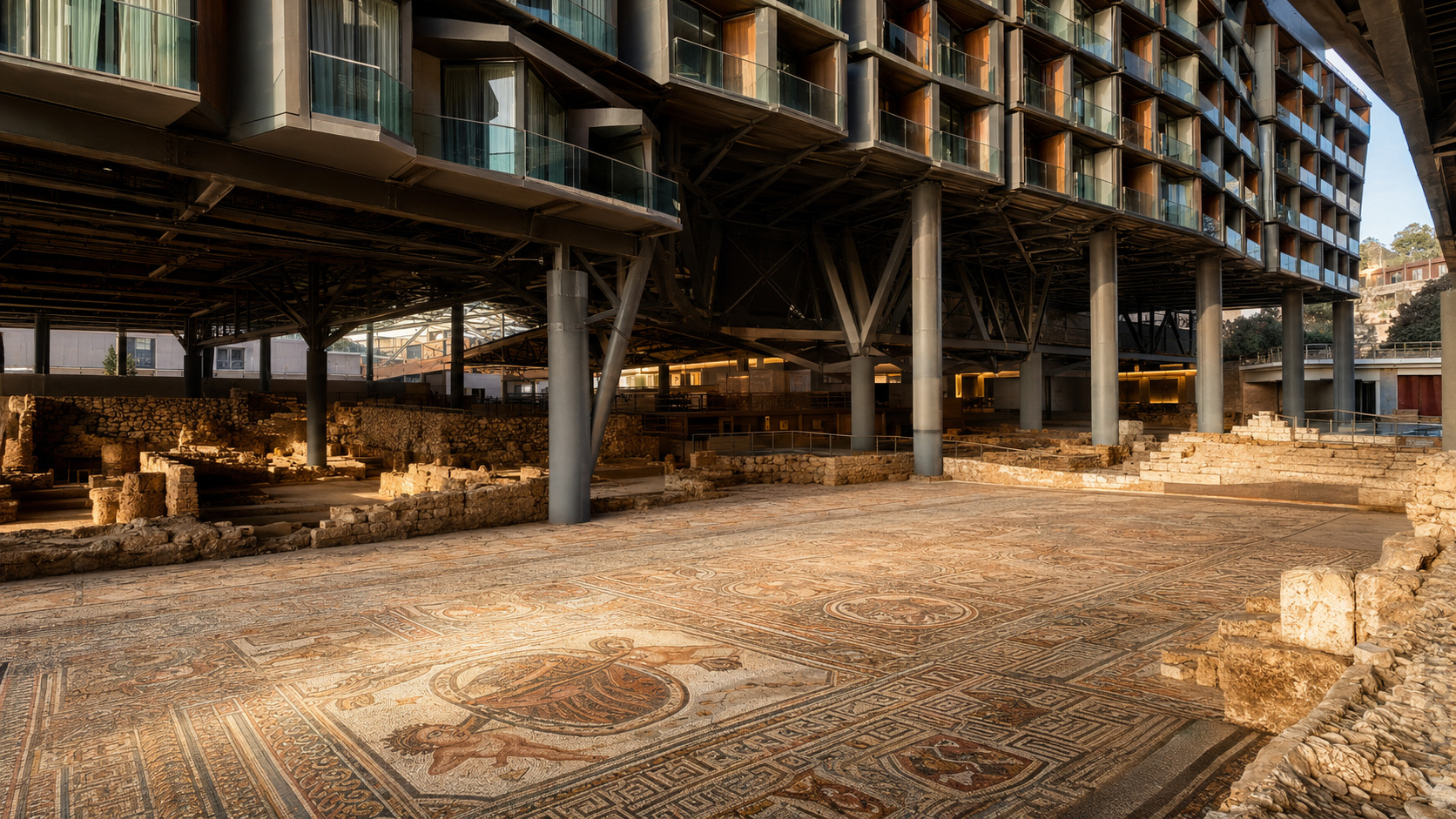
A 400-room hotel began construction in Turkey, but excavations uncovered 2,300-year-old ruins, a mosaic of over a thousand square meters, and 35,000 objects, forcing engineers to cut half of the accommodations and suspend the building over a museum.

-
Four runways, 270 airplanes, and a capacity for 110 million passengers per year: the $12.5 billion mega-airport designed by Zaha Hadid’s office is starting to take shape in Ethiopia, an “airport city” where up to 80% of travelers will be just passing through.

-
Giant 1,631-ton HS2 railway bridge was rotated 90º and pushed night after night over a busy avenue in Birmingham, UK, advancing up to 24 meters at a time and completed four days ahead of schedule to bring high-speed trains to Curzon Street.

-
São Paulo plans the largest road tunnel in Brazil, over 6 km in the Serra do Mar, as part of an R$ 8 billion project that promises to increase the capacity for trucks and buses between the plateau, the coast, and the Port of Santos by 145%.


2014 excavation revealed 45 meters of Roman road
The opening of the site revealed organized stones that formed a 45-meter stretch of Roman road. The structure was preserved under the location chosen for the new restaurant.
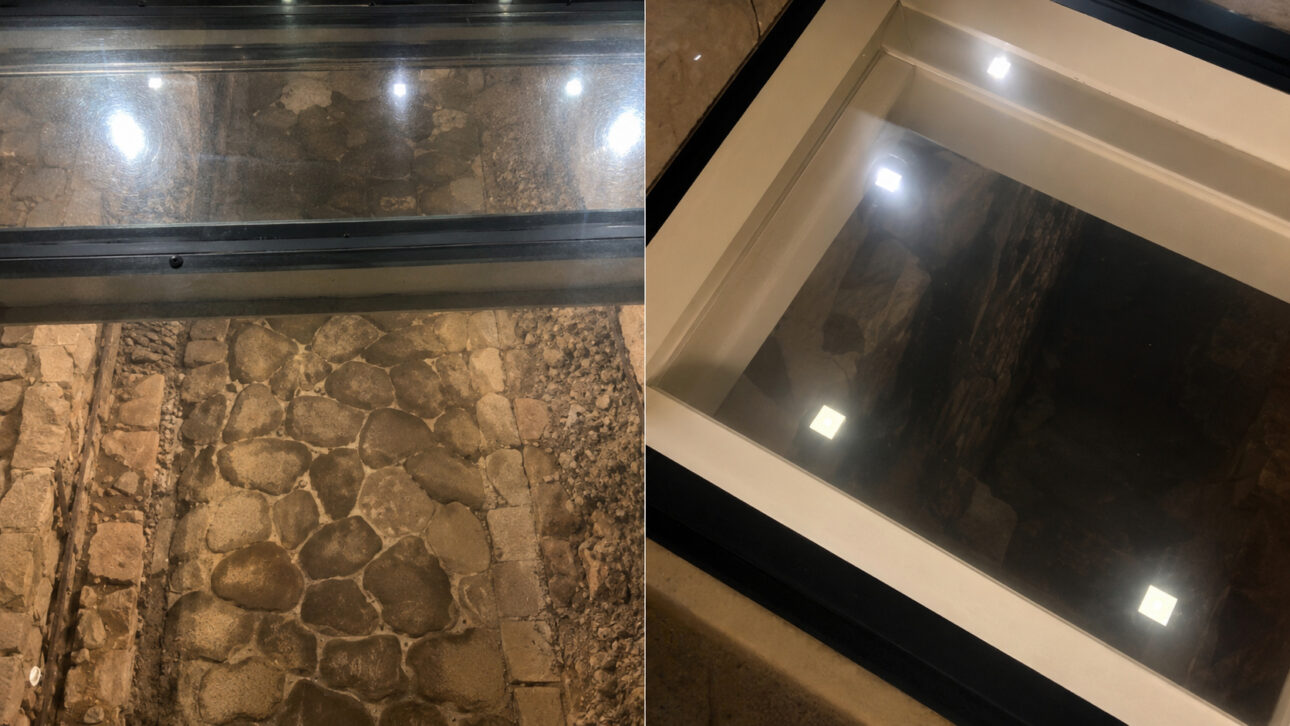
The road is believed to have been built around the 2nd century BC and ceased to be used until the 3rd century. This places its origin nearly 2,000 years ago, long before the modern occupation of Frattocchie.
The discovery changed the course of the construction. The site was no longer just the base of a commercial building and required careful excavations, protection of the stones, and monitoring by specialized professionals.
The discovered road was a branch of the ancient Via Appia
The discovered road was not part of the main path of the Via Appia. It was a secondary road that connected to this important route of Ancient Rome.
This branch may have led to a village or a large estate. Although smaller, it helped connect local areas to a road used to connect Rome to other regions.
This difference is important because it avoids treating the find as a piece of the main track. The preserved section was an ancient link associated with the Via Appia, with its own function within the Roman road network.
Three human burials appeared next to the road
The excavations also found three human burials near the paved section. The remains are attributed to three men who may have been buried in the 3rd century.
The burials indicate that the use of that space changed over time. After the road lost its function, parts of its lateral area began to be used for burials.
The human remains were incorporated into the archaeological study of the site. The project avoided turning this discovery into a spectacle element and maintained the focus on historical preservation and understanding of the ancient path.
McDonald’s funded excavation and preservation of the site
McDonald’s decided to maintain the enterprise and fund the necessary work to protect the site. Archaeologists participated in the excavation, while Italian authorities monitored decisions related to heritage.
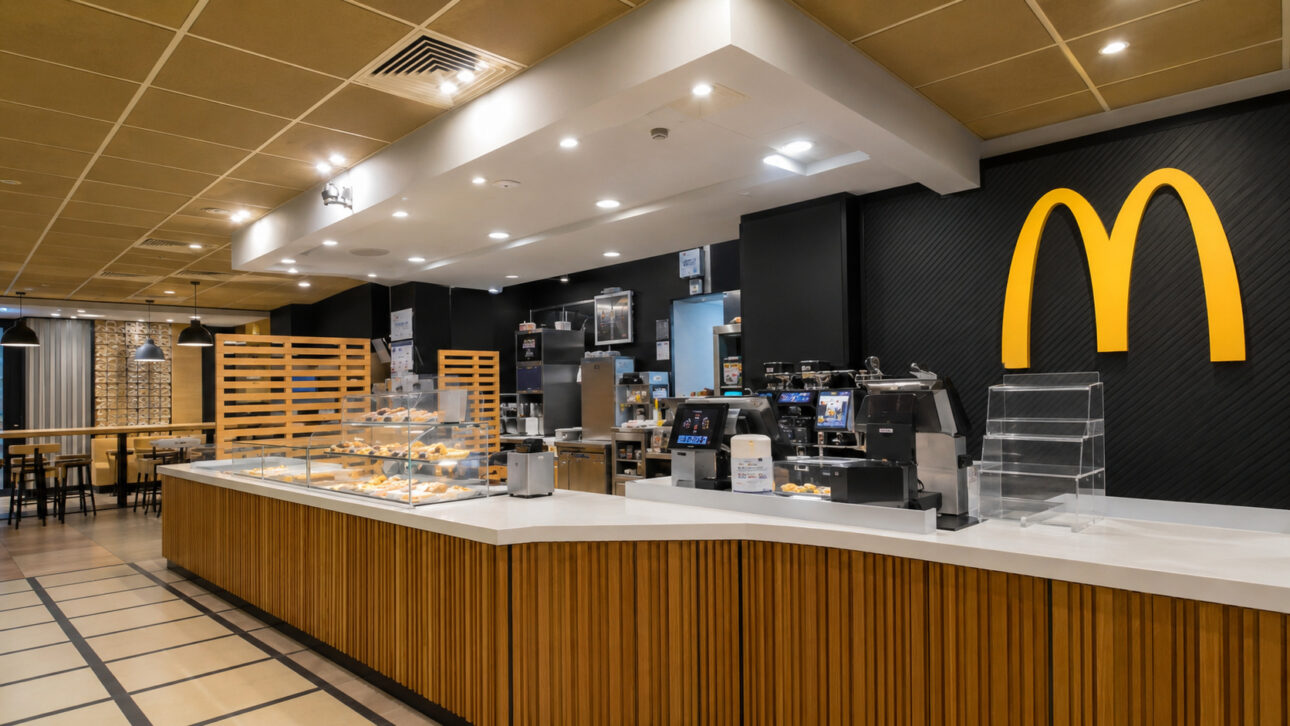
The Sun, a British newspaper of general news and international coverage, detailed the funding of the excavation by the company. The construction progressed with changes that allowed preserving the Roman road within the commercial project.
The construction began to consider two spaces at the same address. The restaurant was on the upper part, while the archaeological area was maintained below, protected by the structure installed over the land.
This decision prevented the 45 meters of Roman road from being hidden again. The site began to function as a restaurant and also as an access point to a heritage found during the construction itself.
Glass floor placed the ruins under the customers’ feet
Transparent panels were installed on the floor to allow observation of the road. Thus, customers walking through the restaurant can see part of the preserved Roman road beneath the building.
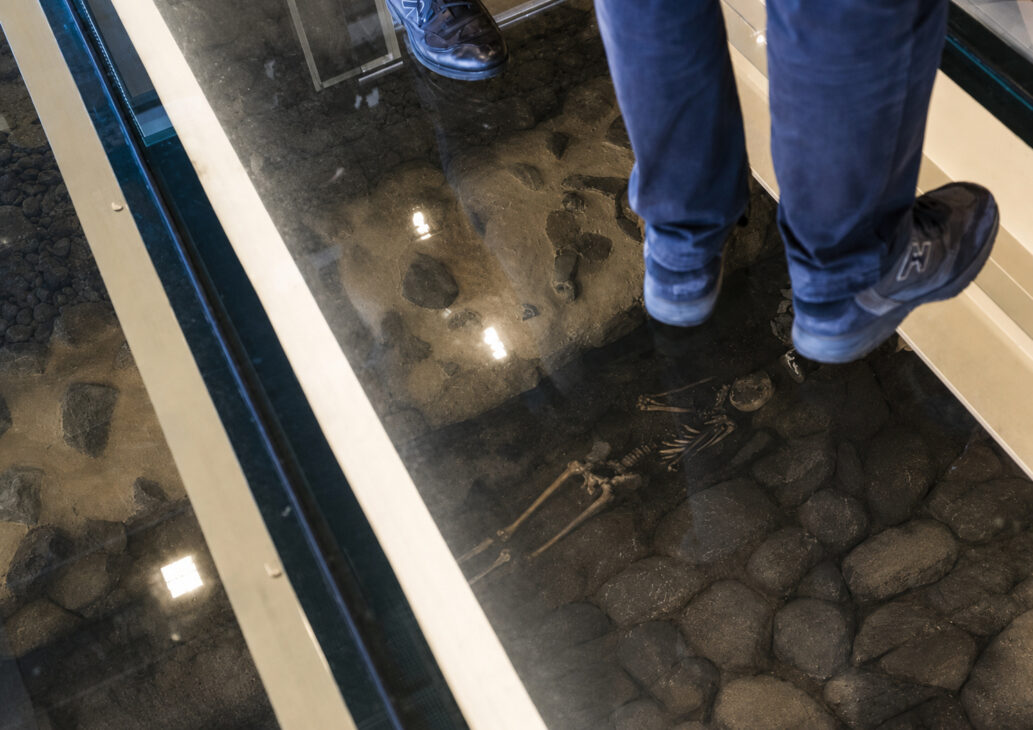
The structure functions as an elevated passage over the find. It keeps the commercial area separate from the ruins but does not eliminate the visual connection between the restaurant and the archaeological site.
The project also created an independent access to the archaeological area. This way, the visitor can explore the space without relying solely on the view available between the tables.
The glass floor made the discovery a permanent part of the architecture. The ancient road was not taken to a distant museum, as it remained on the same site where it was found.
Restaurant began sharing the site with an archaeological space
The unit opened in 2017, three years after the discovery. The interval was used to excavate the site, preserve the structure, and adapt the construction to the presence of the ruins.
Mario Federico, head of McDonald’s Italia, described the unit as the company’s first restaurant with a museological area. He presented the project as an example of collaboration between private activity and public heritage preservation.
The result shows how a commercial project can change when the underground reveals important remains. In this case, the solution did not require choosing between the restaurant and the Roman road, as both were integrated into the same building.
The 45-meter road, the three burials, and the connection to the Via Appia gave the site an importance that did not exist in the initial project. The construction had to respect this new reality to continue.
The restaurant remained operational, while the ruins received protection and visibility. The case highlights how engineering decisions can allow coexistence between modern infrastructure and archaeological heritage.
When a project encounters a 2,000-year-old heritage, do you believe that adapting the construction is always better than relocating the ruins to another place? Leave your opinion in the comments or share this post.