






 Portuguese
  Spanish
  2 min of reading
  0 comments


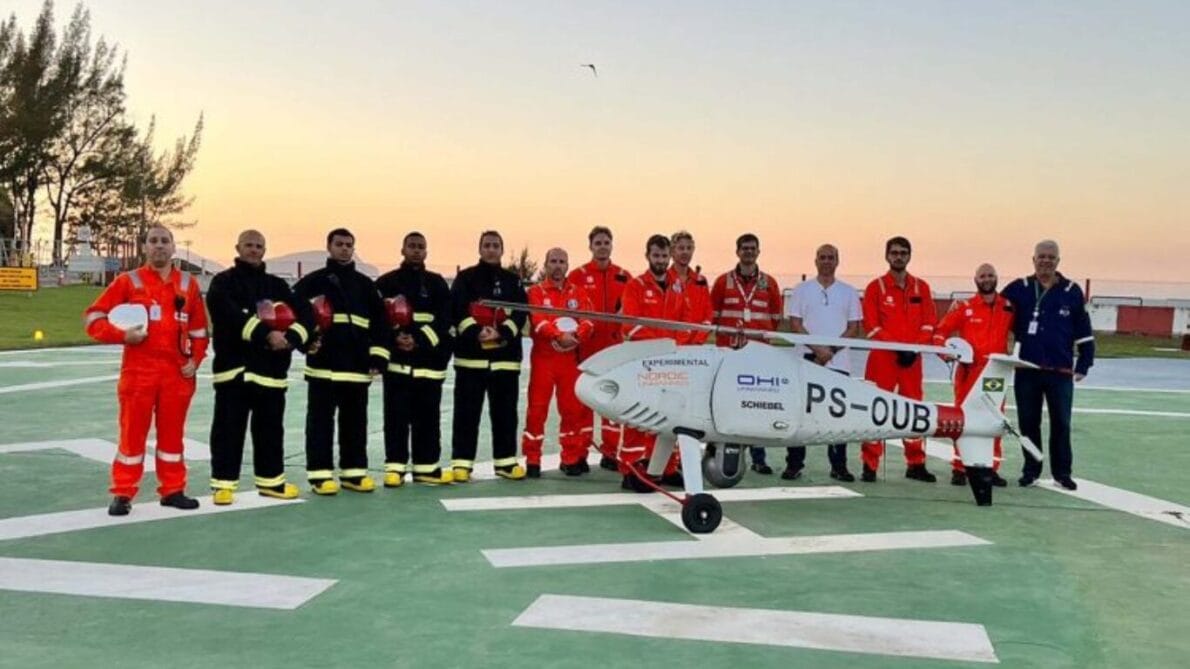
Petrobras Concluded Its First Tests With A Drone Aimed at Reducing Costs in Cargo Transportation!
Petrobras has been investing in drone technology since 2018, seeking more efficient and sustainable alternatives for transporting cargo to its oil platforms. Last week, the state-owned company completed its first large-scale exercise with a remotely piloted aircraft (RPA), which traveled 180 kilometers between Petrobras’ base in Imbetiba, Macaé (RJ), and the P-51 platform, located in the Campos Basin. This long-range flight is the largest ever conducted by a drone in Brazilian civil aviation, according to the website Olhar Digital.
Benefits and Applications of Drones and Platform Transportation
Petrobras’ drones have a capacity to carry loads of up to 50 kilograms, facilitating the delivery of materials from the mainland to offshore platforms, currently done by helicopters. The operation with drones is significantly cheaper and offers advantages such as the ability to fly at night, something unfeasible for helicopters due to operational restrictions.
In addition to transporting cargo, Petrobras already uses drones for tasks such as painting vessels and working at heights, reducing workers’ exposure to risks. The major innovation, however, is the use of drones for long-distance flights, which could transform the company’s logistics.
-
Brazil Welcomes Spanish Wamos Air and Nigerian Air Peace, Potentially Transforming International Routes and Increasing Competition

-
Oil production grows in Rio, but reserve replacement raises a warning sign
-
Petrobras is expected to complete the drilling of the Morpho well in the Foz do Amazonas in August 2026, the first well in the Equatorial Margin, an oil frontier that the ANP estimates at more than 30 billion barrels and could redraw the map of Brazil.

-
Oil returns to the center of concerns with tension between the US and Iran





Collaboration and Success of the Operation
The operation was carried out in collaboration with the Airspace Control Department (DECEA), the National Civil Aviation Agency (ANAC), the state-owned NAV Brazil, and OMNI Taxi Aéreo, contracted by Petrobras to operate the drones on offshore missions. The test was deemed successful, although the company plans to conduct more tests before fully adopting the technology.
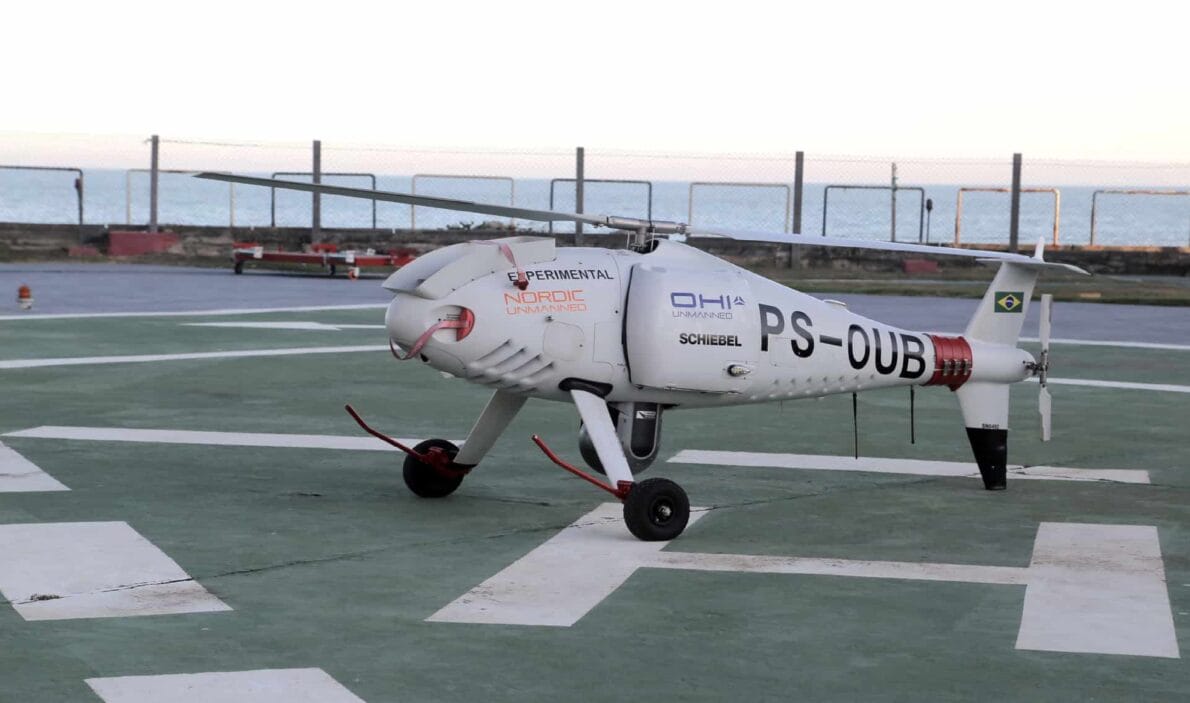
According to Claudio Schlosser, Logistics Director at Petrobras, the use of RPAs represents a significant advancement in the decarbonization of the company’s operations. The unmanned aircraft emit less greenhouse gases compared to helicopters, aligning with Petrobras’ environmental goals to reduce its carbon footprint.
Next Steps for Petrobras
With the completion of the initial tests, Petrobras is now preparing to analyze the collected data. This analysis is expected to be completed in the second half of this year. The state-owned company plans to simulate other flights with unmanned aircraft in the same airspace to verify the operational viability and safety of the drones.
Depending on the results of these analyses, Petrobras may adopt the use of RPAs definitively in its operations. The expectation is that this technology will not only reduce costs and emissions but also increase logistical efficiency and safety for offshore operations.





Be the first to react!