Portuguese
  Spanish


In Southern Minas Gerais, a City of Only 21 Thousand Inhabitants Stands Out Internationally for Its Concentration of Natural Carbonated Water Springs, Attracting Tourists, Researchers, and Boosting the Entire Local Economy with Its Centuries-Old Tradition.
Located in Southern Minas Gerais, Caxambu stands out internationally for housing the largest natural carbonated water spring on the planet.
The municipality, with just over 21 thousand inhabitants according to 2025 estimates, has consolidated its identity and economy around the 12 mineral water springs distributed throughout its territory, recognized for their digestive and detoxifying properties.
Caxambu’s fame as the capital of natural carbonated waters is due to the impressive concentration and diversity of springs, which attract visitors from different regions of Brazil and abroad.
-
Brazilian Researchers Develop Cassava Starch and Grape Peel Packaging That Changes Color to Indicate Spoilage of Meat and Fish

-
Revolutionary Air Fryers: New Models Offer Up to 12 Liters Capacity, 10 Functions, and 90% Less Fat Starting at $80
-
New Helmet Rule in Brazil Requires Inmetro Digital Seal and QR Code from July 1, 2026, But Existing Helmets Are Exempt — Here’s What Changes and How to Verify Authenticity

-
Son of a traveling salesman, John D. Rockefeller used the 1873 financial crisis to acquire competitors, build an empire with 100,000 employees, and become the world’s first billionaire.



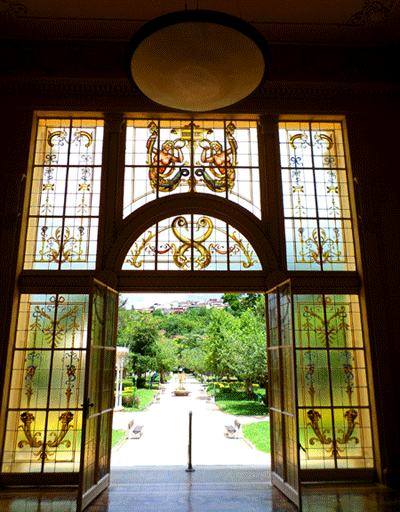
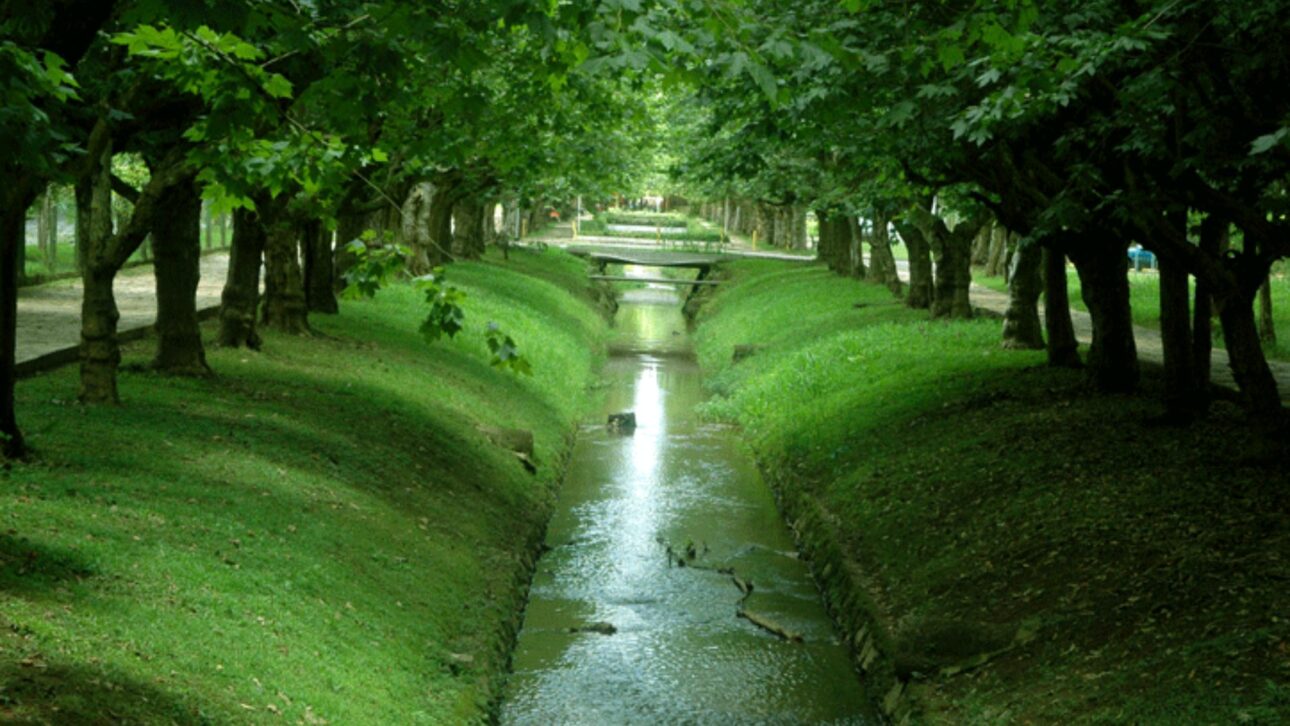
In the Caxambu Water Park, considered the city’s main postcard, it is possible to find different types of mineral water, each with its own composition and flavor.
The waters that spring from the ground, naturally carbonated, have high levels of bicarbonate, calcium, magnesium, and other minerals.
Such characteristics ensure beneficial effects on digestion and contribute to detoxification processes in the body, as indicated by hydrological studies published by institutions such as the Federal University of Minas Gerais (UFMG).
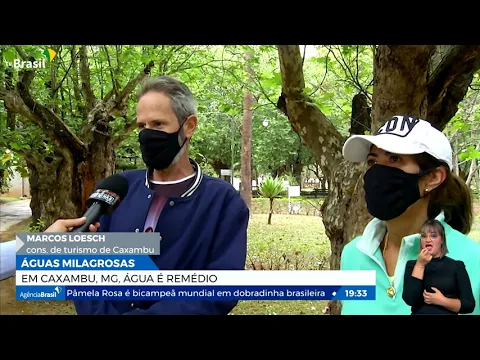

Origin of the Name and Millennial Tradition
The name “Caxambu” originates from the Tupi language and literally means “water that bubbles.”
This designation translates the deep relationship the city has with its natural springs, which have been sought after for centuries by both tourists and locals in search of health and well-being.
According to historical records from the State Institute of Historical and Artistic Heritage of Minas Gerais (IEPHA-MG), the waters of the region were already used by indigenous peoples before the arrival of Portuguese colonizers.
Furthermore, local culture reinforces this identity: the municipality’s coat of arms displays three faucets pouring water, a symbol that honors the water potential and refers to the Water Park.
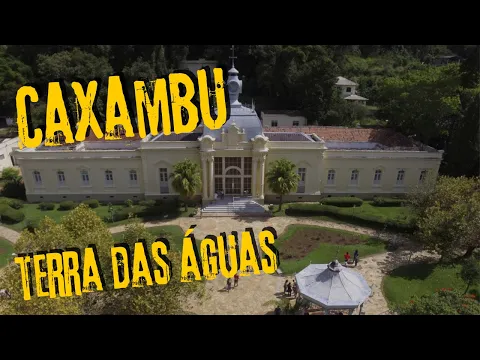
The park, officially inaugurated in 1872, remains a national and international reference when it comes to wellness tourism, also recognized by the National Institute of Historic and Artistic Heritage (IPHAN).
Caxambu Water Park: Heritage and Innovation
The Caxambu Water Park occupies an area of 210 thousand square meters and gathers 12 mineral water springs, each with distinct chemical and therapeutic characteristics.
Among them, the Dona Isabel spring stands out, from which the water with the highest concentration of natural carbon dioxide in the world emerges, and the Leopoldina spring, traditionally associated with aiding digestive issues.
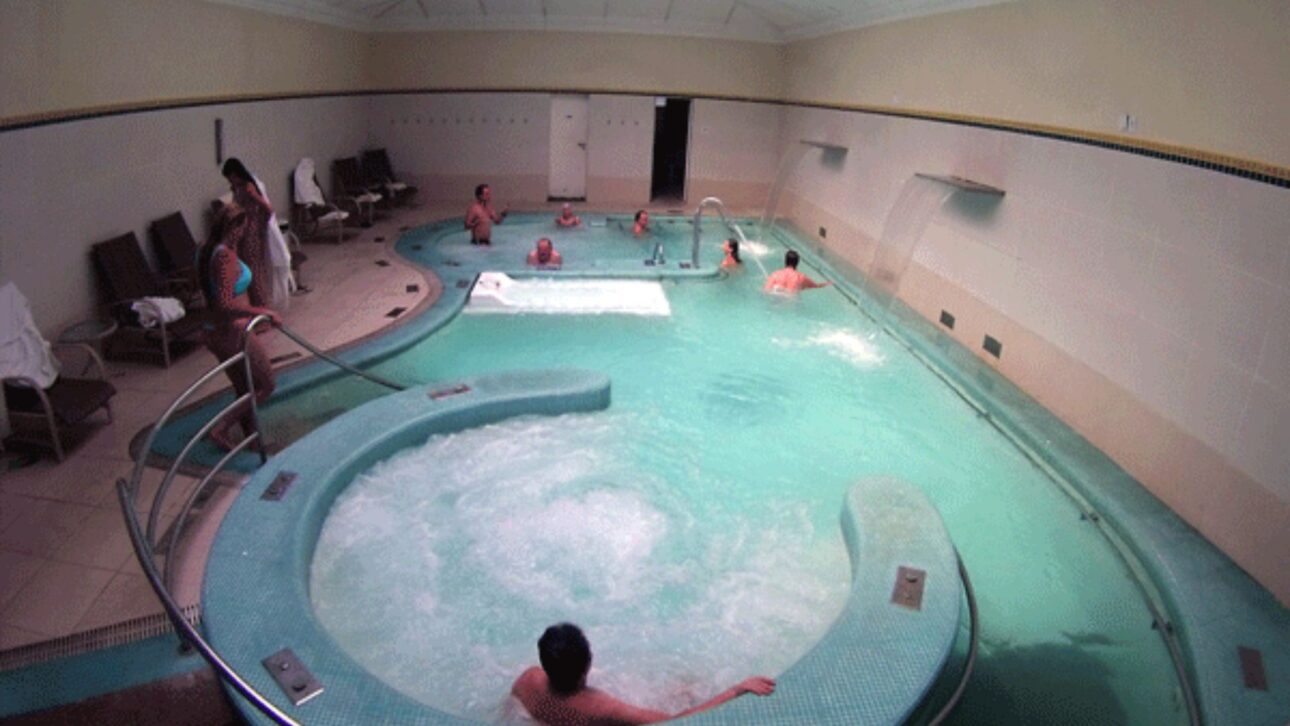
At the location, there are also bathing facilities for immersion baths, inhalation, and showers, activities highly sought after by tourists looking for relaxation and natural treatments.
Studies by the Brazilian Association of Mineral Water Industry (ABINAM) reinforce that the southern region of Minas Gerais presents unique geological conditions that favor the formation of naturally carbonated waters, also known as carbonated waters.
According to ABINAM, about 60% of the national production of mineral water is concentrated in municipalities from Minas Gerais and the interior of São Paulo, but Caxambu stands out for the diversity and purity of its waters.
Economic and Social Impact of Mineral Water in Caxambu
The economy of Caxambu is deeply connected to the sustainable exploitation of mineral water springs.
Local and regional companies are involved in the capture, bottling, and distribution of carbonated water, supplying both the national and international markets.
Tourism, especially health tourism, is the main economic driver of the city, boosting hotels, restaurants, commerce, and related services.
The municipality also invests in public policies for environmental preservation, continuously monitoring the quality of the waters and seeking to protect the aquifer.
The Water Park, in addition to being a tourist space, has been considered an environmental protection area by the state government since 1989.
Official data from the Caxambu City Hall indicates that in 2024, around 250 thousand tourists visited the park, a significant number for a small town.
Curiosities About Caxambu and the Carbonated Waters
Many visitors report feelings of lightness and well-being after consuming the water directly from the springs.
The process of carbonation, entirely natural, differentiates Caxambu from other mineral water-producing cities where gas is artificially added during bottling.
Additionally, the municipality annually promotes festivals and themed fairs about mineral water and well-being, encouraging environmental education and the appreciation of water resources.
In the Brazilian context, the city of Águas de Lindóia in São Paulo is also a reference in mineral water production, accounting for approximately 60% of the volume distributed in the country.
However, Caxambu stands out for being globally recognized as the largest hub of naturally carbonated water, which enhances tourism and the export of the product.
Properties of Caxambu Water and Health
The mineral water of Caxambu is especially sought after for its digestive and detoxifying properties.
Research indicates that regular consumption of this water can assist intestinal function and help eliminate toxins from the body.
However, doctors and specialists always recommend professional guidance for therapeutic use, since each type of water has a different composition.
Why do so many tourists and researchers continue to be interested in the natural springs of Caxambu, even after centuries of history and continuous use of these carbonated waters?