





 Portuguese
  English
  Spanish
  3 min of reading
  0 comments


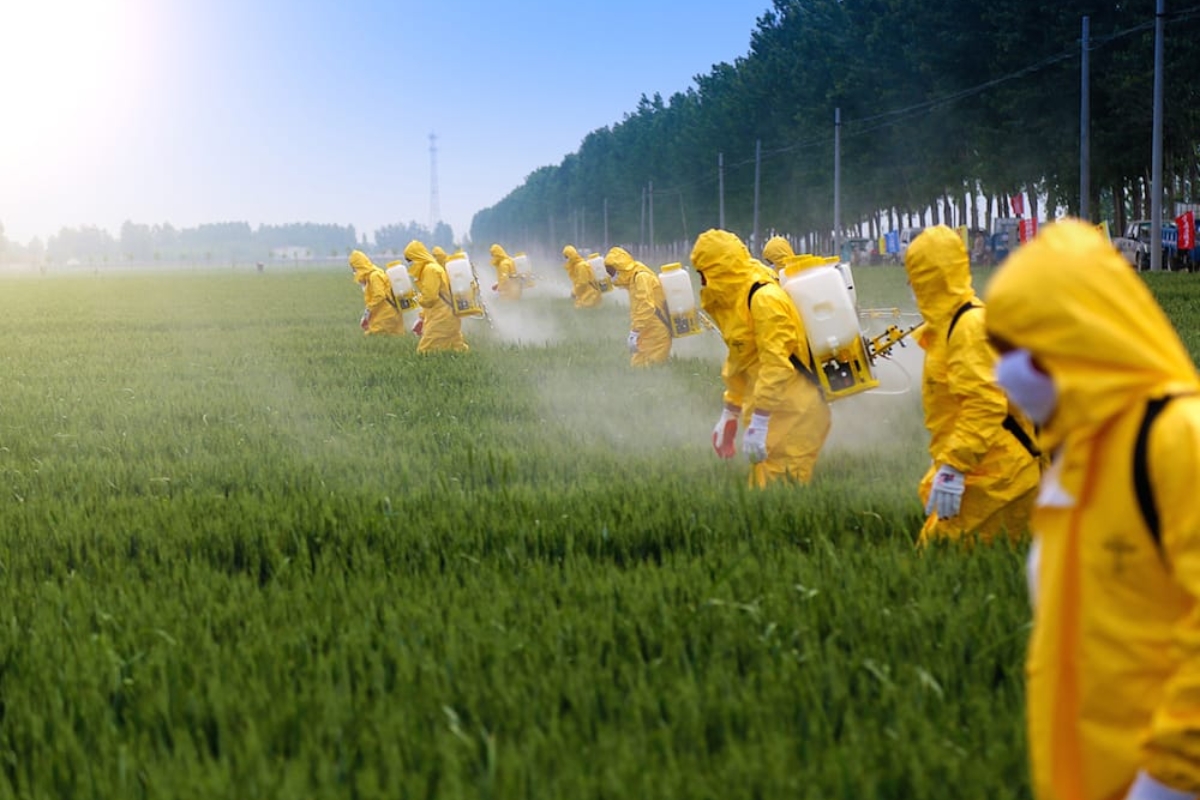
Study In Science Reveals That Only 20 Toxic Pesticides Cause 90% Of Global Agricultural Toxicity. Understand The Impact Of These Products On Bees, Soil, And Food Health
Modern agriculture faces a dangerous paradox. While technology advances to increase productivity, the health of the ecosystems that sustain life is moving in the opposite direction. A recent comprehensive study published in the journal Science revealed an uncomfortable reality: global agricultural toxicity is not a matter of volume, but of specificity.
Only a small group of approximately 20 substances classified as toxic pesticides are responsible for over 90% of the negative impact on global biodiversity.
The scientific article that serves as the basis for this report mentions specific pesticides associated with high contributions to the Total Applied Toxicity (TAT) in certain agricultural crops. Among those explicitly cited are: mancozeb, paraquat, λ-cyhalothrin, diuron, acetochlor, imidacloprid, glyphosate, and chlorpyrifos.
-
A 400-meter colossus powered by natural gas has just set sail from Shanghai to Europe, carrying over 24,000 containers. It is the world’s largest dual-fuel container ship and can cross the planet without refueling even once.

-
A new study overturns the central idea we learned about planets and suggests that Earth is the exception rather than the rule; most rocky worlds in the galaxy may not have a core or mantle, just a single turbulent fluid extending to the center.
-
Scientists reanimated a 48,500-year-old virus in the laboratory that had been frozen in the Siberian permafrost since before the extinction of the Neanderthals, and it was still capable of infecting living organisms after tens of millennia dormant in the ice.
-
The oldest nuclear aircraft carrier still in operation in the world is currently on Brazilian soil making its final journey before retirement, and two American military planes landed in Salvador and Fortaleza to support the mission.



Furthermore, the study highlights several classes particularly relevant to toxicity, namely neonicotinoids, pyrethroids, organophosphates, and various groups of herbicides and fungicides (for example, acetamides/bipyridyls and conazoles/benzimidazoles).
Use Of A Small Group Of Pesticides Causes 90% Of Global Toxic Damage To Crops
For decades, governments and regulatory bodies focused only on the amount of mass applied per hectare. However, researchers from the University of Koblenz-Landau introduced the concept of Total Applied Toxicity (TAT). This indicator is revolutionary because it crosses product quantity with its lethal potential to non-target species, such as bees, fish, and soil microorganisms.
The data, collected between 2013 and 2019, shows that while total pesticide use in tons may have stabilized in some regions, the actual toxicity has increased by about 6.4% per year for terrestrial arthropods. This happens because the industry has replaced old substances with modern molecules that, although used in smaller doses, are drastically more potent against wildlife. The use of these toxic pesticides is concentrated in essential crops like soybeans, corn, rice, and fruits, exerting disproportionate pressure on the environment.

The Villains Of Biodiversity And The Role Of Neonicotinoids
The study identifies specific chemical groups that dominate the toxicity landscape. Neonicotinoids and certain pyrethroids top the list. These substances are known to affect the central nervous system of pollinators. Without bees and other beneficial insects, global food security is compromised, as over 75% of agricultural crops rely, to some extent, on biotic pollination.
Moreover, soil health, the foundation of all production, is under attack. The toxic pesticides eliminate fungi and bacteria essential for nutrient cycling, making the land dependent on synthetic fertilizers and less resilient to drought and climate change. Countries like Brazil, China, the USA, and India, giants in agribusiness, are the biggest applicators of these substances, raising concerns about meeting the COP15 goals.

The Challenge Of Targets For 2030
At the 15th United Nations Conference on Biodiversity, the world committed to halving the risk of pesticides by 2030. However, the current trajectory shows that only Chile is making consistent progress. To reverse this scenario, experts advocate for Integrated Pest Management (IPM) and the replacement with biological controls.
The conclusion is clear: to save biodiversity, it is not enough to reduce dosages. It is necessary to eliminate the most dangerous molecules. The transition to sustainable agriculture depends on the political courage to ban the most harmful toxic pesticides, ensuring that progress in the field does not mean silence from nature.







Be the first to react!