Portuguese
  Spanish


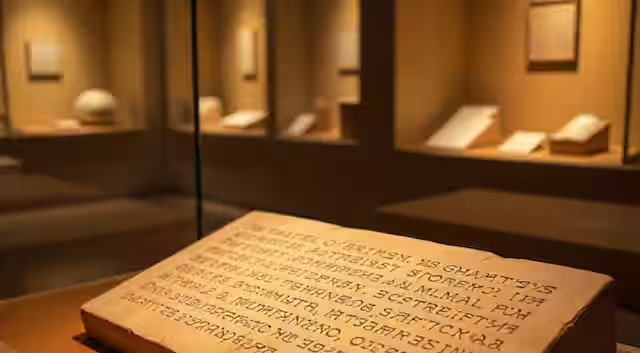

Archeologists Found The Oldest Known Alphabet, Dated 4,000 Years, In Clay Cylinders In Syria, Revealing The Origin Of Modern Written Communication.
Archeologists from Johns Hopkins University in the United States made a discovery that could change the history of writing. They unearthed the oldest known form of alphabetic writing, inscribed on clay cylinders, during excavations in a tomb in Syria. This writing dates back to approximately 2400 BC, challenging previous assumptions about the origin of the alphabet.
The discovery was revealed at the annual meeting of the American Society of Overseas Research, where archaeologist Glenn Schwartz, who led the research, highlighted the importance of this writing for the development of human communication. “Alphabetic writing changed the way people lived, thought, and communicated,” Schwartz stated.
The Revolution Of Alphabetic Writing
The discovery suggests that, much earlier than previously thought, people were using new communication technologies in a region different from what was expected. Traditionally, it was believed that the first alphabets emerged in Egypt or its vicinity around 1900 BC; however, the cylinders found in Syria, dated to 2400 BC, reveal a completely new story about the origin of the alphabet.
-
Brazil to Install First Operational Quantum Computers in the Northeast and Establish New Center to Boost Technological Sovereignty

-
Potential Starlink Rival: Company Tests 60-Meter Balloon to Deliver 5G Internet Without Satellites, Prepares for Unprecedented Mission in Japan
-
Android Phones Can Detect Earthquakes Before You Feel Them: How Accelerometers in Billions of Devices Confirmed Two Strong Quakes in Venezuela and Warned Residents Seconds in Advance

-
Scientists Warn WHO: Cat-Linked Parasite Infects One-Third of Global Population, Poses Risks to Vision, Pregnancy, and Neurological Health



Accessibility And Social Impact Of The Alphabet
The alphabet, as a form of writing, was a revolution. Experts state that it was accessible not only to the elites and royalty but also to broader layers of society. This means that, for the first time, written communication became available to a much larger audience, directly impacting people’s everyday lives.
“Alphabets made writing accessible to people beyond royalty and the social elite,” Schwartz said, emphasizing that this transformation in the means of communication profoundly altered the way populations thought and lived.
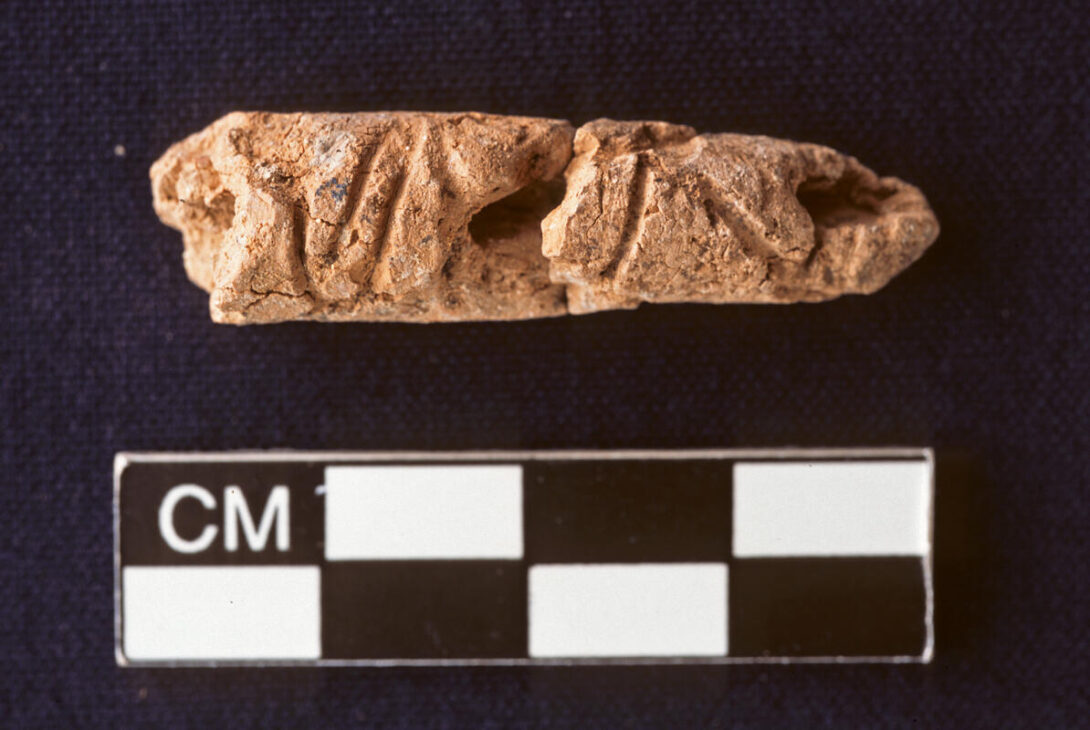
The clay cylinders, lightly baked, feature small holes that suggest they were used to capture or detail the contents of some object, such as a container. However, without a precise translation, archaeologists still cannot determine exactly what was being recorded. “Perhaps they described the contents of a container or information about the origin or ownership of the object,” Schwartz suggested.
To confirm the dating, researchers used advanced carbon dating techniques, which verified the antiquity of the items and their connection to the tomb. This discovery not only redefines the emergence of alphabetic writing but also expands our understanding of ancient civilizations and their technological innovations.
With this evidence, scholars are now reconsidering their theories about the origin of the alphabet. The research suggests that the alphabet may have been developed in a completely different area and time than previously planned, opening new doors for future studies on the history of human communication.