Portuguese
  Spanish




COP30 Highlighted Initiatives That Drive Solar Innovation, Strengthen Regional Startups, and Expand Access to Clean Energy in the Global South.
The International Solar Alliance (ISA) announced, during the COP30 in Belém, the winners of the SolarX Startup Challenge Latin America & Caribbean, thus reinforcing its strategic role in expanding solar energy. The ISA highlighted ten startups from nine countries in 2025, and additionally pointed out that six of them are women-led, showcasing diversity in the sector. The announcement took place during a roundtable at the event, and this moment amplified the impact of previous editions in Africa and the Asia-Pacific.
The organization explained that, since recent initiatives, it has supported fifty African and Asian startups through acceleration programs. This support included financial incentives and additionally strengthened the deployment of solar technologies in emerging regions. The ISA reaffirmed its four strategic pillars and thus directed efforts toward catalytic financing, global capacity building, digitalization, and regional engagement.
The LAC edition marked an important expansion of the ISA and thus highlighted scalable and economically viable innovations. The broad participation reflected the strong growth of solar adoption in the region, which has surpassed traditional sources. This movement, presented during COP30, reinforced the search for solutions that expand access to clean energy and strengthen the resilience of electric grids.
-
Solar energy can increase property value by up to 10% and become a selling point.

-
Solar and wind energy surpass natural gas for the first time in the world and accelerate energy revolution

-
Africa has about 500,000 cell towers and most still burn diesel to operate, while companies rush to cover antennas with solar energy and avoid signal blackouts.
-
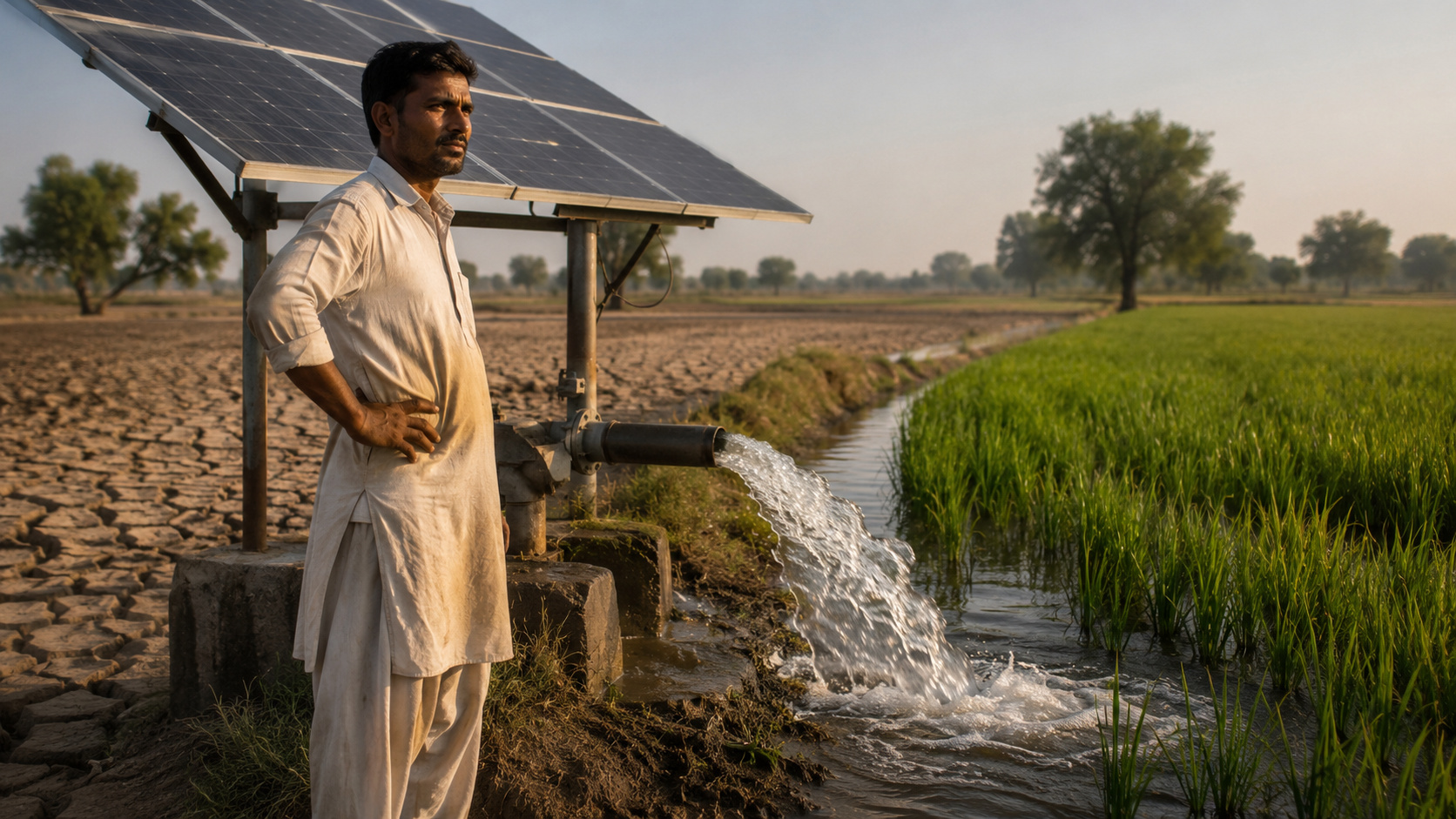
Farmers swapped diesel for solar panels in Pakistan, powered irrigation pumps almost cost-free, expanded rice fields, and now groundwater has become a red alert in the countryside.



The ISA reported that the challenge received 113 applications from 29 countries, and consequently selected ten startups with the highest potential impact. Each received US$ 15,000, and this amount will support the evolution of their solar solutions. Additionally, the teams will have access to technical mentorship, investor networks, and specialized training.
The Director-General of the ISA, Ashish Khanna, stated that the winners represent how local innovation can transform the energy transition. He highlighted that Latin America and the Caribbean have enormous solar potential but still face challenges related to access and resilience. The SolarX, according to him, allows for bridging this gap with adaptable business models.
Winners of the SolarX Startup Challenge 2025 – Latin America & Caribbean
• Kingo – Guatemala: Develops clean solutions and IoT-based connectivity for remote areas, thus expanding energy autonomy.
• Digital Grid – Brazil: SaaS platform that automates regulatory and financial challenges of shared generation.
• SQUAIR – Brazil: Intelligent energy and temperature management system for refrigeration-intensive operations.
• Suncast – Chile: Provides solar predictions and pollution estimates without additional physical sensors.
• Grinplus – Uruguay: Enables small generators to sell renewable certificates.
• HD Photovoltaics – Argentina: Produces lightweight BIPV panels that serve as building materials.
• SUNNA – Ecuador: Creates solar heaters and easy-install photovoltaic systems.
• Green Energy – Nicaragua: Integrates water purification and autonomous sale powered by off-grid solar energy.
• Quantum Motors – Bolivia: First regional company to integrate solar panels in urban electric vehicles.
• Suno – Colombia: Digital finance platform for clean energy projects.
Finally, the ISA reinforced that it will continue supporting regional initiatives, and therefore will keep driving solutions that expand access to solar energy. This commitment strengthens the transition to a more sustainable future aligned with the demands presented at COP30.