





 Portuguese
  English
  Spanish
  3 min of reading


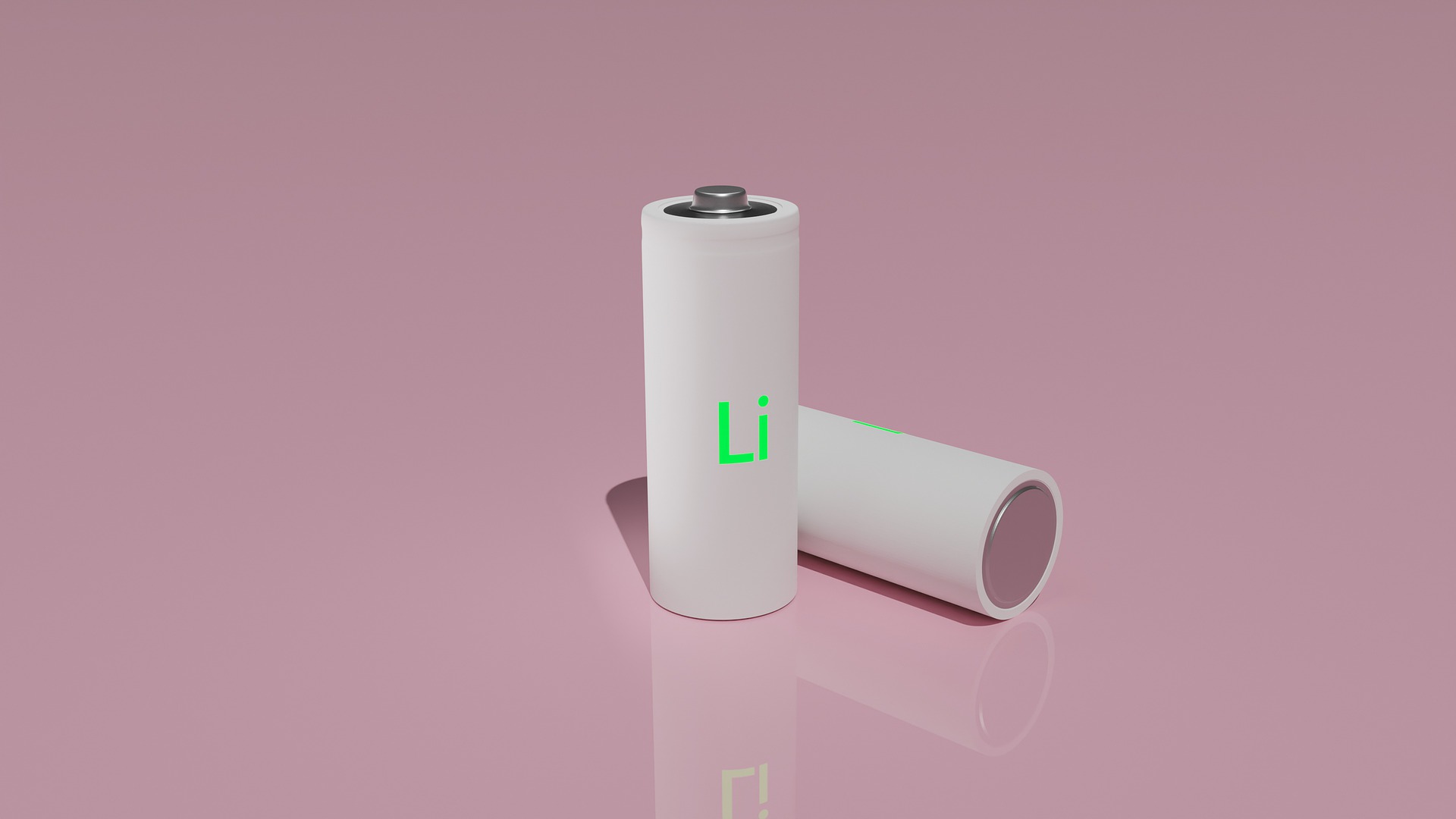
With New Scientific Discoveries, Is It The End Of Lithium Batteries? Research Shows That The Market Will Grow By More Than 15% Until 2030 And Dependence On The Metal By Large Companies Is Not Expected To Decrease
According to a report published by Vision Research Reports, the lithium battery market will grow by more than 15% by the year 2030 and reach a value of US$ 120 billion, even with new scientific discoveries, such as the possibility of storing energy in sand, which was announced recently by Finland. The accumulated increase in one year surpasses the combined commodities of brent oil, coal, and natural gas!
Brazil and other countries’ dependence on lithium batteries is expected to increase due to their benefits: they have an energy charging efficiency of up to 98%, not to mention that they allow operation over a wider temperature range, from -30 to 55°C. In short, durability is another highlight of this type of product, which can often surpass 7 thousand cycles.
| Commodities | Increase In 1 Year |
| Lithium | 375% |
| Oil | 33% |
| Natural Gas Coal |
110% 17% |
Goal To Reduce Dependence On Lithium Commodities May Be Left For The Next Decade
With the Covid-19 crisis, the industry managed to mine less lithium than was being demanded by the market. As a result, prices increased and harmed practically the entire electric vehicle sector, given that some companies could not maintain their old production costs. Some trade agreements are expected to reduce this low supply, such as in the case of Brazil, which approved a project that aims to create thousands of jobs by allowing mining companies to export lithium with less bureaucracy abroad.
-
Bangladesh tested a house that seems to have hidden buoys, stays firm on the ground on dry days, and floats during floods without turning into a houseboat.

-
While regular houses face the hurricane head-on, a company in the United States sells round houses that deflect wind pressure, withstand 130 mph, and reach 190 mph with reinforcements.
-
The material that still causes surprise in Brazil has become walls in the USA, accelerated houses in Minnesota, and reduced heating costs by 70%.
-
Rare earths, million-dollar compensation, and a farm in Goiás: understand the case in which a rural producer accuses Serra Verde of occupying his property while the legal dispute drags on for years



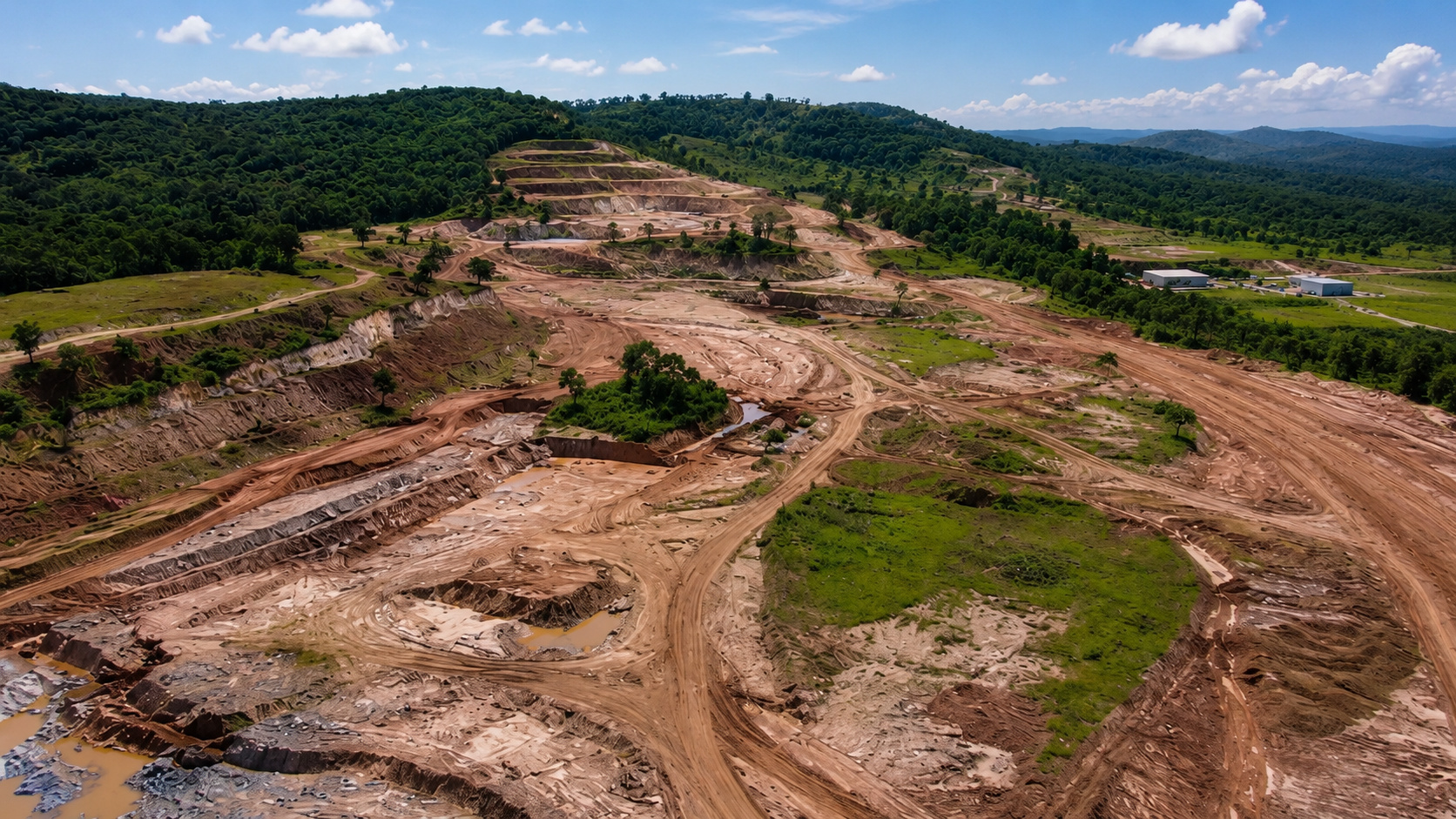
Scientists and researchers are working daily to develop new technologies that allow for a reduction in significant dependence on lithium, but they are still very expensive and unfeasible for high-scale deployment in the market. An example of this is the heavy sand batteries created by Finland that can store a large amount of energy for months. Or the batteries made from wood residues by former Tesla executives.
“In addition to growth factors, the market also faces challenges that may hinder its growth. These restrictions are hazardous chemicals contained in used batteries, such as acids and heavy metals, combustion risks, unplanned discharges, and regulated storage and transportation of batteries by national governments” says Alt Energy.
Lithium Commodity Increased By Over 375% In Just One Year With Low Supply And High Demand!
According to the portal Investing, it is estimated that lithium is facing one of its biggest surges due to the crisis left by the war between Russia and Ukraine, which caused the metal’s value to skyrocket by over 375.63% in just one year. This increase exceeds that of oil and coal combined!
Large companies, such as the electric vehicle manufacturer Tesla, have shown interest in Brazil for the purchase of the metal as a way to meet the need for the production of electric vehicle batteries. According to Reuters, Brazil expected to invest over R$ 15 billion after the easing of government regulations by Jair Bolsonaro regarding the export of lithium abroad. Additionally, SIGMA predicts that the country will become an exporting powerhouse with the approval of the recent project.
Industries Will Have To Adapt In A Post-Pandemic Scenario With Rising Commodities, Including Metals And Oil
With the Covid-19 pandemic, even after surpassing the two-year mark, some cities in China continue with social isolation, which harms the global economy. With this in mind, many companies are having to adapt to new changes or business partners to avoid ending up in the red. The lithium battery market has been facing a strong shortage of professionals, which disrupts the productivity chain of several other sectors.





Be the first to react!