Portuguese
  Spanish


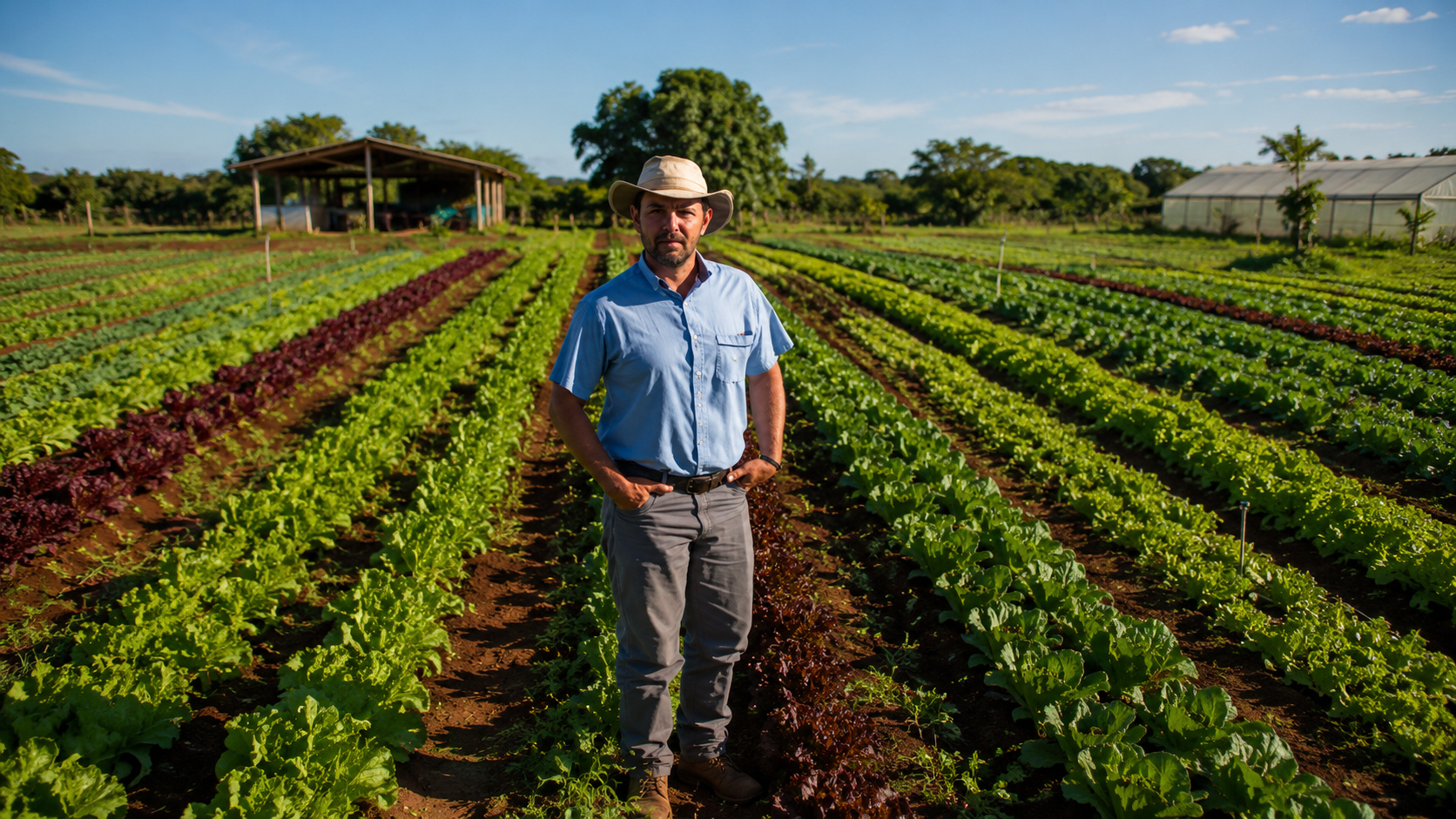

Joe Valle, Fazenda Malunga, organic products and sustainable agriculture explain how a 1,000 m² garden became a national reference in the DF.
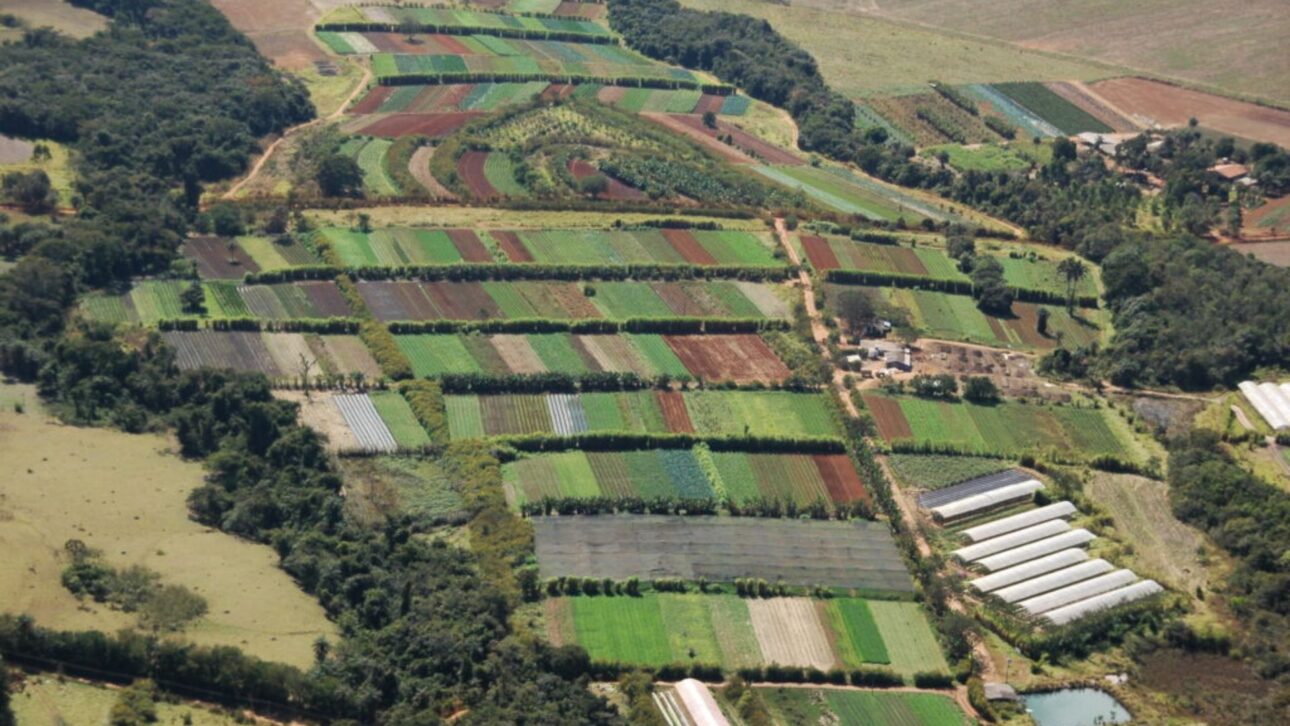
In 1985, when organic agriculture still occupied a small space in the Brazilian market, Joe Valle, then a student of Forestry Engineering, started a small production on his father’s farm in PAD-DF. According to Embrapa and Fazenda Malunga itself, the project began in a 1,000 square meter garden and spent the first years selling vegetables at fairs and sales points linked to UnB. Almost four decades later, the initiative has transformed into a large-scale operation. According to Embrapa, Fazenda Malunga now covers about 150 hectares, of which 60 hectares are dedicated to vegetables, employs about 200 people, supplies more than 100 stores between Brasília and Goiânia, maintains four own stores and a wholesale at Ceasa-DF.
Fazenda Malunga started with small production and direct sales at fairs
According to Embrapa, the origin of Malunga lies in an organic production started by Joe Valle on his father’s property, still during university. It was three years selling at city fairs, at a time when organic products were still little known and needed to be introduced directly to the consumer.
The official page of Fazenda Malunga reinforces that the initiative was born from a study group at UnB on alternative agriculture.
-
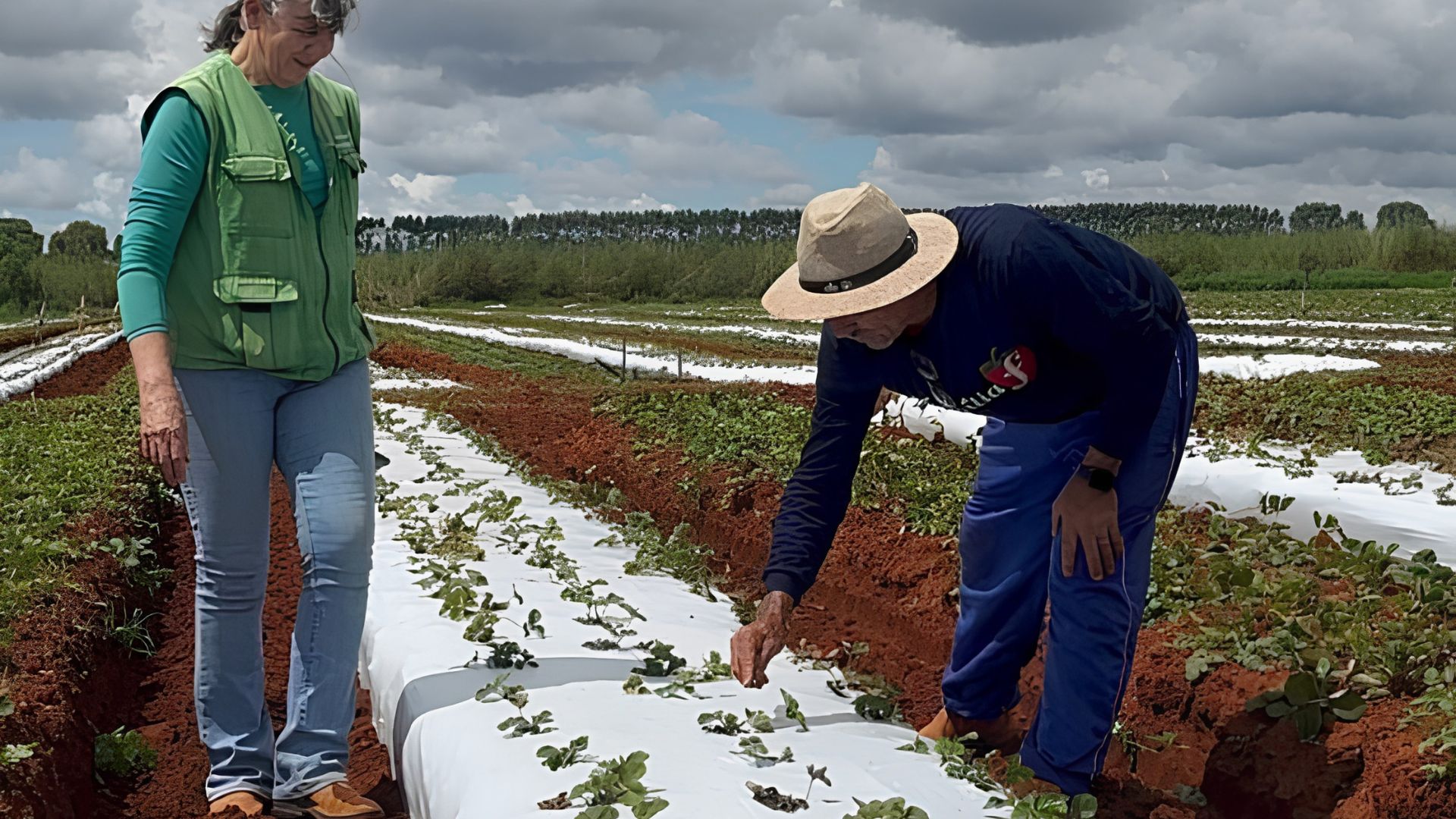
A couple escapes the city’s violence, starts from scratch on leased land, buys their own farm, invests in strawberry cultivation, and transforms the small production into a family business that keeps children and grandchildren working in the field.

-
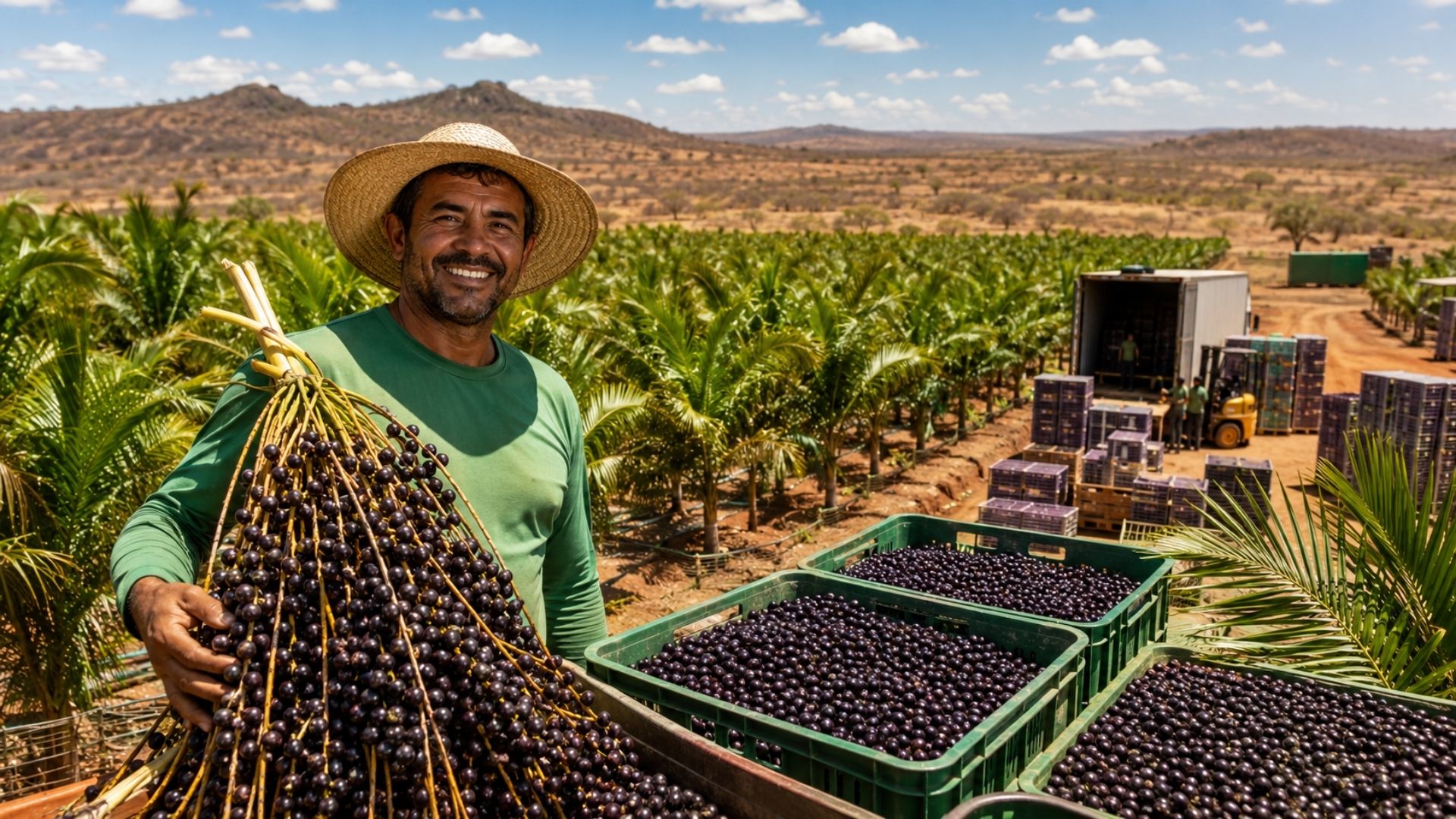
Without anyone betting that Amazonian açaí would catch on in Rio Grande do Norte, he brought the seedling from Pará, planted 80 hectares, and transformed the “unlikely land” into a business that harvests 280 tons of fruit and exports pulp to Italy, the Netherlands, and Kuwait, proving that the superfood from the North thrived in the semi-arid region.
-
A company from SC that moves R$ 125 billion in agribusiness is integrated into an international group, maintains its headquarters and jobs in Chapecó, and is preparing to expand software for cooperatives, grain companies, and industries while targeting new markets without leaving the western region of Santa Catarina.

-
Producer receives news and had to cull almost the entire herd, bounced back with the help of compensation, and is now producing 450 liters of milk per day in SC.



The company’s newsletter states that Joe Valle put into practice, in PAD-DF, the knowledge acquired in this academic environment and began selling the production in the early years of the experience.
Pesticide poisoning and sales crisis changed the course of the business
Before consolidating organic cultivation, Joe Valle had direct contact with the conventional model. In an account published by ABREFEN, he stated that he suffered a serious pesticide poisoning because he personally did the spraying.


In the same post, the producer reported that he also faced financial difficulties when trying to market the production at Ceasa. According to him, the period of crisis and intoxication led him to interrupt that attempt, deepen his studies, and redirect the project to a more consistent organic base.
Growth took Malunga from fairs to supermarkets, own stores, and wholesale
The company’s expansion happened gradually. Fazenda Malunga reports that after strengthening the fairs and with the entry of Clevane Ribeiro into the business, the brand began reaching supermarkets in Brasília, maintaining daily deliveries and expanding its presence in retail.
Today, according to Embrapa, the operation goes far beyond direct sales. Malunga delivers products to more than 100 stores in Brasília and Goiânia, has four own stores, a wholesale at Ceasa-DF, and also operates as a private label in two major supermarket chains.
Fazenda Malunga became a national reference in organic production in the Midwest
The current scale shows the extent of the transformation. Embrapa reports that Malunga cultivates about 150 hectares dedicated to the production of organic fruits, vegetables, greens, and dairy products, with 60 hectares reserved for vegetables.
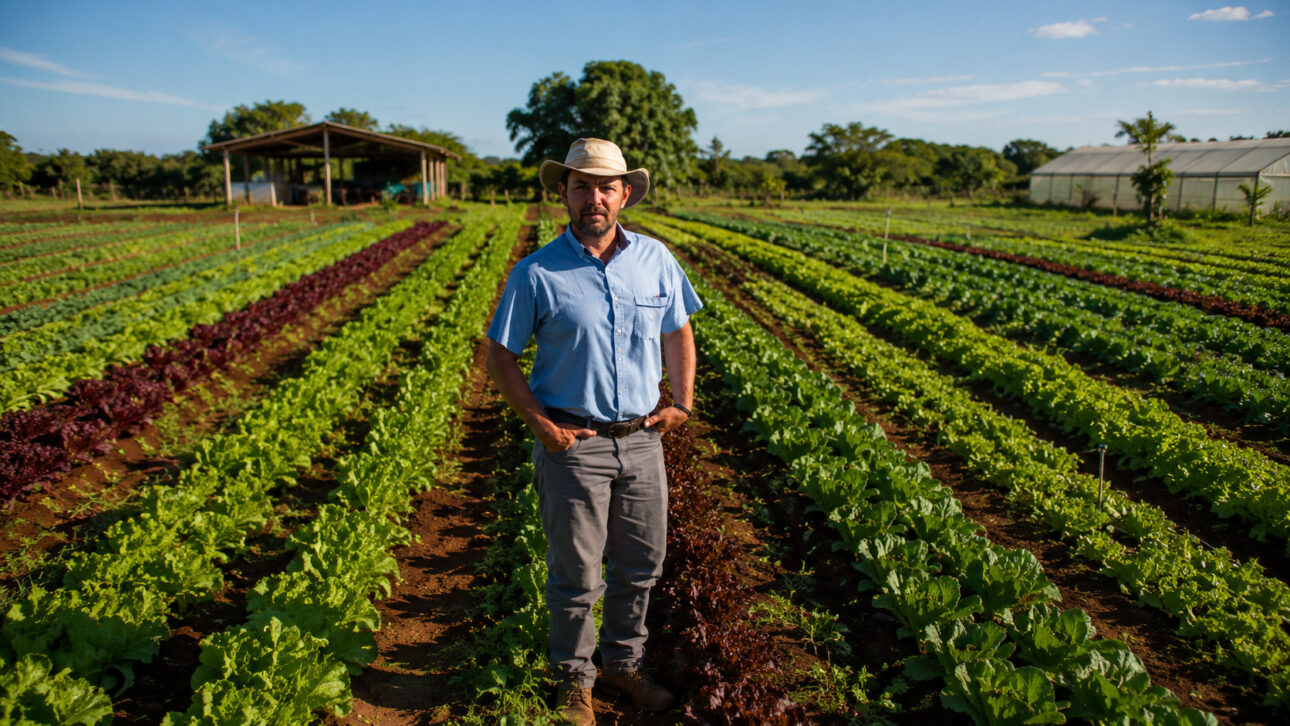
This growth consolidated the farm as one of the main Brazilian references in organics. The weight of the operation is not only in the size of the area but in the ability to maintain regular supply, productive diversification, and simultaneous presence in wholesale, own retail, and supermarket chains.
Science, soil management, and technology began to guide production
Despite operating in the organic segment, Joe Valle describes Malunga’s production as strongly supported by applied science.
In a technical meeting at Embrapa Cerrados, he stated that the company’s growth was sustained by research in plant genetics, soil analysis, microorganisms, and technologies aimed at the organic sector.

According to Embrapa, Joe Valle summarized the farm’s production system in three pillars: microorganisms, cover crops, and rock dust. He also stated that many of the actions implemented over the years were based on knowledge generated in Embrapa’s own research centers.
Training people became part of the farm’s strategy
Malunga’s activities have expanded beyond agricultural production. Embrapa reports that Joe Valle began regularly hosting groups of young people aged 19 to 25 for activities related to sustainable rural entrepreneurship, transforming the farm into a training space as well.
This focus on training is evident both in the relationship with young visitors and in the company’s internal routine.
The proposal presented by the producer is to use the farm as an environment for continuous learning, connecting production, technical knowledge, and human development.
From a small family garden to one of the most well-known cases of Brazilian organic agriculture
The journey of Fazenda Malunga shows how a production started in just 1,000 m² managed to scale up without abandoning its organic identity.

The business grew from direct sales at fairs, faced market resistance, underwent profound management changes, and transformed into a structured regional supply operation.
The case of Joe Valle also helps explain why organic agriculture in Brazil is no longer seen merely as a niche.
In Malunga, the model combined scale production, regular supply, scientific basis, and strong commercial presence, turning a small university experiment into one of the most well-known stories in the sector.