Portuguese
  Spanish


After culling almost all the animals due to a bovine tuberculosis diagnosis, Daniel Michels used Fundesa compensation to renovate the property, buy a new herd, and resume milk production
Bovine tuberculosis led producer Daniel Michels, from Braço do Norte, in southern Santa Catarina, to cull almost the entire herd after official sanitary tests. Now, with compensation from Fundesa, sanitary clearance, structural renovation, and the purchase of new animals, the family has returned to dairy farming and today produces 450 liters of milk per day.
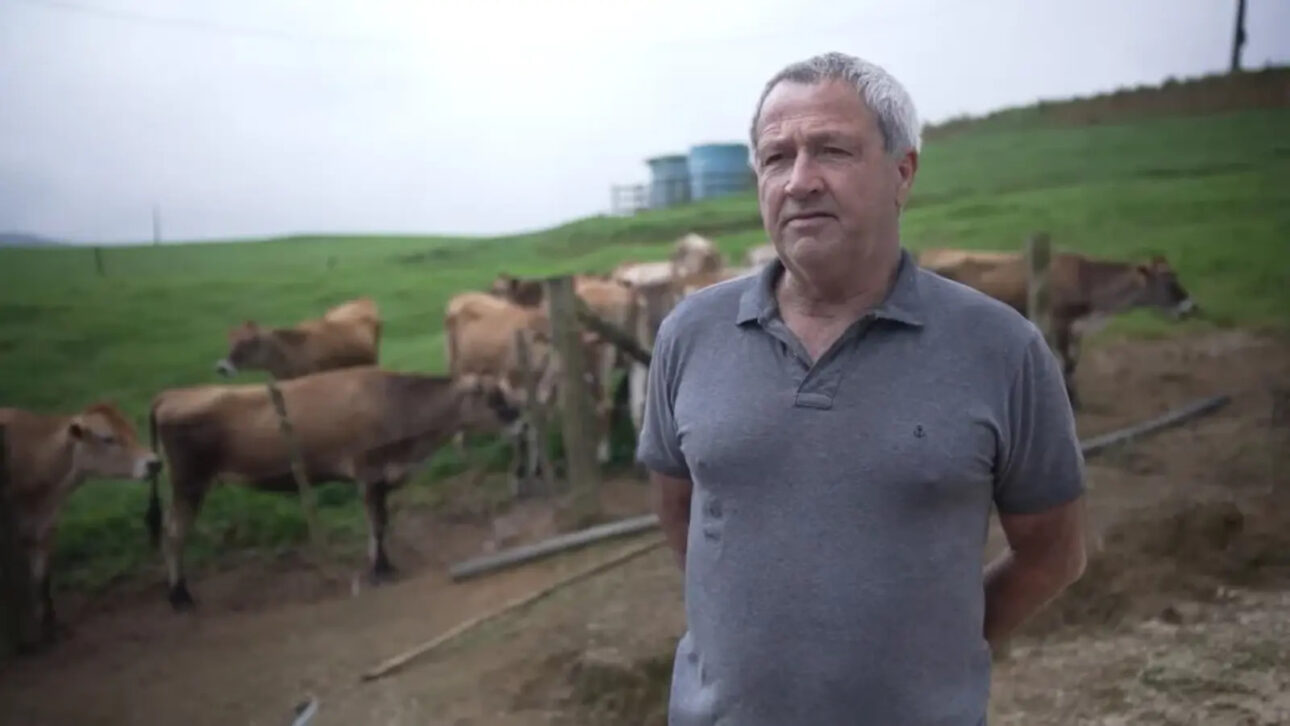
Bovine tuberculosis led producer to end the herd
The case began during the sanitary tests required by official control programs. Daniel Michels states that the first batch had 27 animals condemned, a situation he did not expect.
Then, two other tests confirmed new losses. Out of a total of 82 heads, only ten animals remained. Faced with the scenario, the family decided to end the herd and carry out a sanitary clearance on the property.
-
Quail Eggs Reveal a “Secret Code” on Their Shells Explaining Unique Patterns and Colors

-
Rare Tropical Fruit Canistel, with Egg Yolk Color and Caramel Flavor, Gains Interest from Researchers and Small Producers in Brazil
-
Brazilian Farmers Develop Wheeled Metal Lever to Ease Cassava Harvesting Without Heavy Machinery
-
Study of Brazil’s Tietê River Finds 25 Pesticides in Water, Including Cancer-Linked Substance Near Source


The decision marked a break in the family’s routine, which depended on dairy farming. Daniel reported that the loss affected a history built over a lifetime in the field.
Family faced loss of years of work
The producer said that the family spent many sleepless nights after the diagnosis and culling of the animals. For him, it was not just an economic loss, but something tied to the family’s life.
The situation shows the practical impact of sanitary measures on rural properties. When there is a disease diagnosis, culling may be necessary for sanitary control, but it also requires support for the producer to restart.
Fundesa paid around R$ 20 million in 2025
In Santa Catarina, the State Animal Health Fund, Fundesa, acts as a financial compensation mechanism in cases of sanitary culling. The fund was created over 20 years ago.
In 2025 alone, around R$ 20 million were paid to producers in Santa Catarina. According to Daniela do Carmo, director of Quality and Agricultural Defense of the state, the compensation allows sanitary measures to be adopted quickly and safely.
She states that the support favors the control of diseases and the continuity of productive activities on rural properties.
Compensation helped in the reconstruction of the property
In the case of Daniel Michels, the compensation was the first step to rebuild the activity. After the sanitary void, he needed to invest again, renovate the structure, and buy new animals.
Today, Daniel states that he and his wife are back in dairy production, with 450 liters of milk per day.
According to the producer, without the aid received for the lost animals, the property would likely have been abandoned.
This article was prepared based on information from the material provided about the case of Daniel Michels and the State Animal Health Fund, with data, numbers, and statements preserved as per the consulted material.