Portuguese
  Spanish


Pigments deposited in the final stage of shell formation help explain why each quail egg can have different colors, sizes, and spots.
The quail eggs draw attention with the spots scattered on the shell. The marks can vary between brown, bluish, greenish, and whitish tones.
This difference is considered normal and is directly linked to the genetics of each bird.
According to veterinarian Carlos Pozzebom, responsible for a farm with about 5,400 quails in Coronel Freitas, Santa Catarina, each egg has its own characteristics.
-
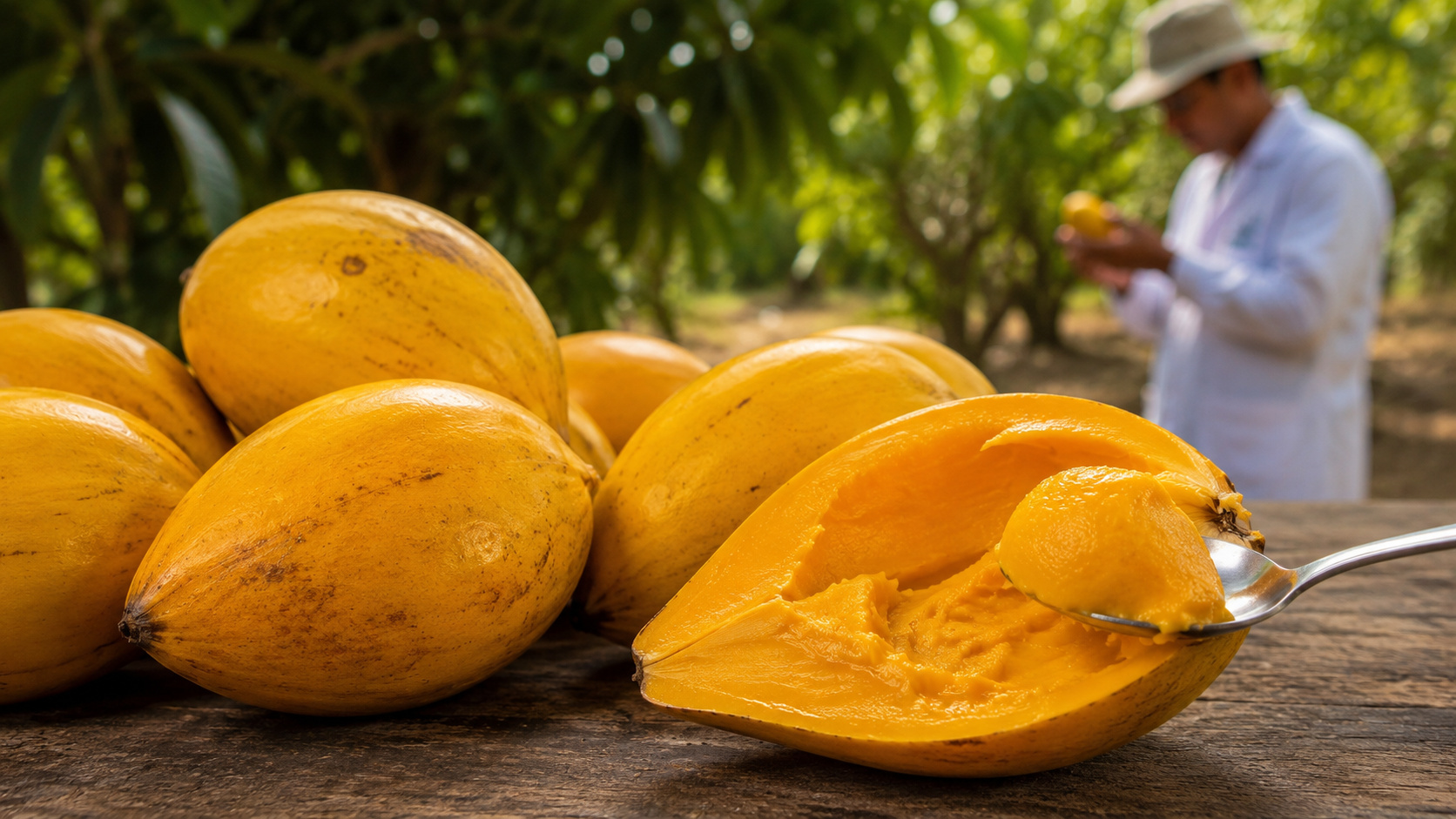
Rare Tropical Fruit Canistel, with Egg Yolk Color and Caramel Flavor, Gains Interest from Researchers and Small Producers in Brazil

-
Brazilian Farmers Develop Wheeled Metal Lever to Ease Cassava Harvesting Without Heavy Machinery
-
Study of Brazil’s Tietê River Finds 25 Pesticides in Water, Including Cancer-Linked Substance Near Source
-
Young Entrepreneur Expands from 50 to 1,400 Chickens, Proving “Happy Hens” Can Be a Viable Business



“Each egg is unique,” explains the specialist.
Genetics define the color of quail eggs
The shell coloration is formed by pigments produced by glands located in the quail’s uterus.
Then, these pigments are deposited in the final stage of egg formation.
The bird’s genetics determine whether the shell’s tone will lean more towards brown, blue, or green.
The distribution of spots can also vary greatly from one egg to another.
Therefore, even in the same farm, the eggs can have different sizes, colors, and patterns.
Spots appear shortly before laying
Quails usually lay one egg every 23 hours.
During this process, pigmentation occurs in the final stage, while the shell is being formed.
At this moment, the spots and visible patterns appear on the outer part of the egg.
The varied appearance does not indicate a defect.
In most cases, it simply shows the natural functioning of shell formation.

Very white eggs may indicate a problem
Eggs that remain always whitish can serve as a warning.
According to Carlos Pozzebom, this sign may be related to nutritional deficiency or bird stress.
Among the factors that can cause this problem are:
- Lack of adequate lighting;
- High temperatures;
- Excess of birds per cage;
- Cramped environment;
- Inadequate management.
In these situations, the pigmentation of the shell can be affected.
Light, temperature, and space influence production
Genetics is not the only factor involved in the appearance of quail eggs.
According to the specialist, birds need about 18 hours of light per day, combining natural and artificial lighting.
The ideal temperature for breeding is between 20 °C and 25 °C.
The available space is also essential for the well-being of the birds.
When many quails are in the same cage, they may feel cramped and stressed.
The most used measure in farms is to keep up to 10 quails per square meter.
Why does each egg look different?
The spots and colors of quail eggs are the result of each bird’s genetics and the action of pigments during shell formation.
Factors such as nutrition, light, temperature, and space also help maintain healthy production.
A spotted, colored, or differently patterned egg is not strange.
In fact, it shows how each quail can produce an egg with its own appearance.
Have you noticed that each quail egg has a different pattern? Share your opinion!