






 Portuguese
  Spanish


Expedition discovered an entire ecosystem that shouldn’t exist in Japan’s deepest trenches — with sponges that devour live prey and creatures science had never classified
In the Japan’s ocean trenches, thousands of meters below the surface, where pressure crushes submarines and darkness is absolute, a scientific expedition found something no one expected: an entire ecosystem.
Furthermore, this ecosystem is not composed of simple bacteria or primitive worms. In fact, it includes gardens of carnivorous sponges that capture live prey, giant sea lilies adapted to permanent darkness, and creatures that biology had never recorded.
The discovery occurred during a two-month expedition through Japan’s ocean trenches, including the Ryukyu, Japan, and Izu-Ogasawara trenches — some of the planet’s most unexplored regions.
-
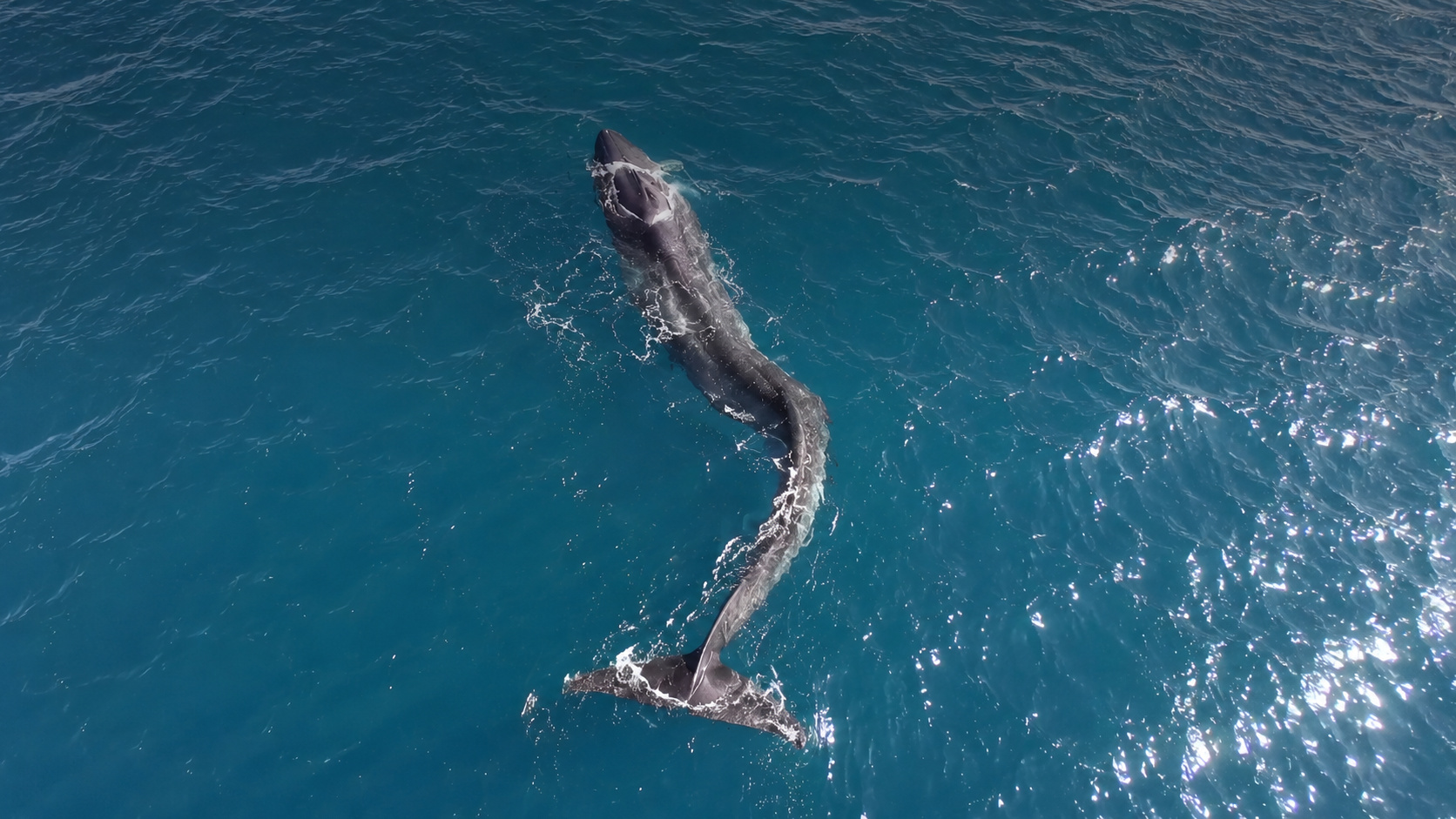
Whale with Scoliosis Spotted in Spain, Baffling Experts After Being Mistaken for Entangled Animal

-
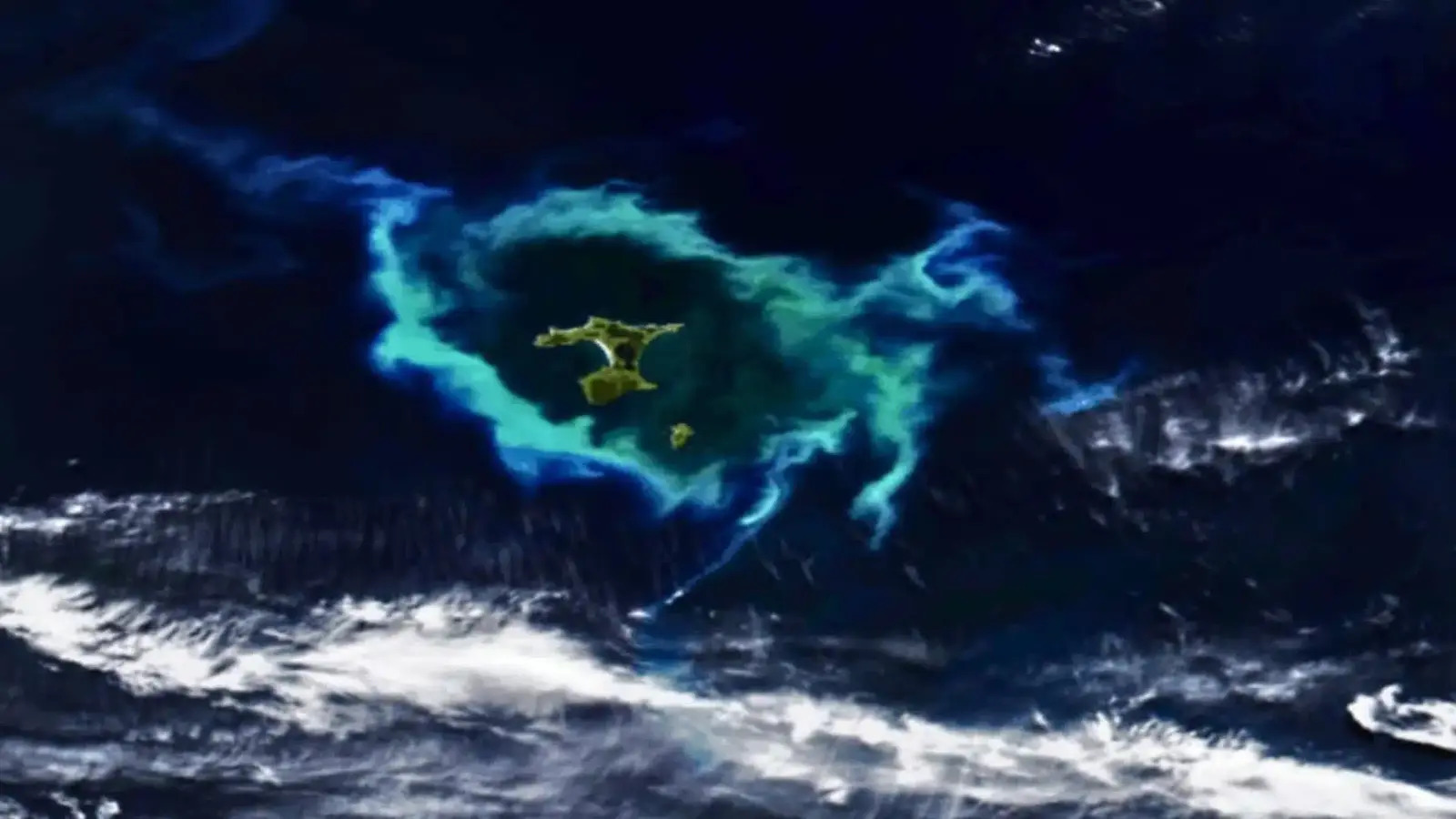
Giant Phantom Halo Appears Around Remote Pacific Islands, NASA Reveals It’s Created by Tiny Marine Organisms

-
Son of Poor Farmers Fled Home Four Times Seeking Work, Founded Hyundai, and Transformed It into a Global Industrial Giant in Over 190 Countries
-
Scientists Develop Method to Store Wind and Solar Energy by Liquefying Air for On-Demand Power Generation




What scientists found in Japan’s ocean trenches
The expedition used the manned submersible Limiting Factor and the DSSV Pressure Drop vessel to explore depths ranging from 4,000 to over 9,000 meters.
Consequently, high-definition cameras recorded scenes that challenge what was known about life in extreme depths.
Firstly, scientists documented gardens of carnivorous sponges — organisms that, unlike common sponges that filter water, possess spine-like structures that capture and digest small crustaceans.
Additionally, they found giant sea lilies — animals that look like plants but are relatives of starfish — adapted to live in total darkness and pressures hundreds of times greater than at the surface.
Thus, the most surprising find was a translucent creature filmed at about 9,137 meters deep that does not fit into any known biological phylum. Researchers provisionally classified it as Animalia incerta sedis — literally “animal of uncertain classification”.
- Region explored: Ryukyu, Japan, and Izu-Ogasawara trenches
- Depths: from 4,000 to over 9,000 meters
- Equipment: Limiting Factor submersible + DSSV Pressure Drop vessel
- Duration: two-month expedition
- Findings: carnivorous sponges, giant sea lilies, unclassifiable creature at 9,137m
Hunting sponges: the predatory version no one expected to find
When we think of sponges, we imagine passive organisms that filter particles from water. However, the sponges found in Japan’s ocean trenches are active predators.
In practice, they developed microscopic spine-like structures that function as traps. When a small crustacean touches the sponge’s surface, it gets trapped and is slowly digested.
This type of adaptation is extremely rare and indicates that, in environments with an absolute scarcity of nutrients — where neither light nor organic debris reaches —, evolution has found radical solutions for survival.
Other deep-water discoveries, such as the 110 species found at 3,000 meters in Australia, already showed unexpected diversity. However, carnivorous sponges in 9,000-meter trenches represent a completely new level.

The conflict between exploring and preserving Japan’s ocean trenches
The discovery of the ecosystem in Japan’s ocean trenches comes at a critical time. In fact, governments and mining companies are accelerating plans to extract minerals from the ocean floor — including regions near the studied trenches.
Consequently, the polymetallic nodules that exist on the Pacific seabed — rich in manganese, nickel, copper, and cobalt — are essential for electric vehicle batteries and clean energy technologies.
However, the expedition revealed that these same areas harbor complex life that no one knew existed. In practice, mining the ocean floor could destroy ecosystems even before scientists catalog what lives in them.
Furthermore, unlike deforested forests that can be replanted, abyssal ecosystems take thousands of years to form. Thus, destruction would be permanent on the scale of human life.
From Japan’s ocean trenches to Jupiter’s moons
The existence of complex life in such extreme conditions has implications that go far beyond marine biology.
Firstly, the Japan’s ocean trenches present conditions similar to those believed to exist in the subsurface oceans of Europa — Jupiter’s moon — and Enceladus — Saturn’s moon: extreme pressure, total absence of sunlight, and energy sources based on chemical processes from the ocean floor.
Consequently, if carnivorous sponges and complex creatures can thrive 9,000 meters below the Pacific surface, the chances of finding similar life in extraterrestrial oceans increase substantially.
Furthermore, NASA and ESA are already planning missions to drill Europa’s ice by 2035. In practice, the discoveries in the Japanese trenches serve as a model for what scientists can expect to find — and for calibrating the instruments that will be sent.
For the marine biologists who descended 9,137 meters into Japan’s ocean trenches, the question is no longer whether life exists in extreme conditions. The question is: in how many improbable places does it thrive without anyone noticing?
Why discovering life where it shouldn’t exist changes science
Until recently, the scientific community assumed that the deepest ocean trenches were almost sterile environments. However, the discoveries in Japan’s ocean trenches disprove this assumption.
Instead of biological deserts, these regions harbor complex ecosystems with predators, prey, and sophisticated ecological relationships.
According to O Cafezinho, the expedition revealed “remarkable biodiversity” in areas scientists considered virtually lifeless.
According to data published by Phys.org, the biological richness found in the Japanese trenches surpasses what previous studies predicted for these depths.
Moreover, the implications go beyond marine biology. If complex life exists in such extreme conditions on Earth, the chances of finding life in subsurface oceans of moons like Europa (Jupiter) and Enceladus (Saturn) increase significantly.
Thus, the expedition also documented how these organisms obtain energy without photosynthesis. Instead of relying on the sun, the trench creatures survive thanks to chemosynthesis processes — chemical reactions between minerals and sulfur compounds that emerge from fissures in the ocean floor.
Furthermore, researchers estimate that only 5% of the planet’s ocean trenches have been explored with high-definition cameras. Consequently, the actual biodiversity of these regions could be dozens of times greater than any current catalog records — an entire biological universe waiting to be mapped.
The question the expedition leaves open is disconcerting: if we didn’t know about an entire ecosystem less than 10,000 meters below the ocean’s surface — what else is down there that we haven’t found yet?


