Portuguese
  Spanish


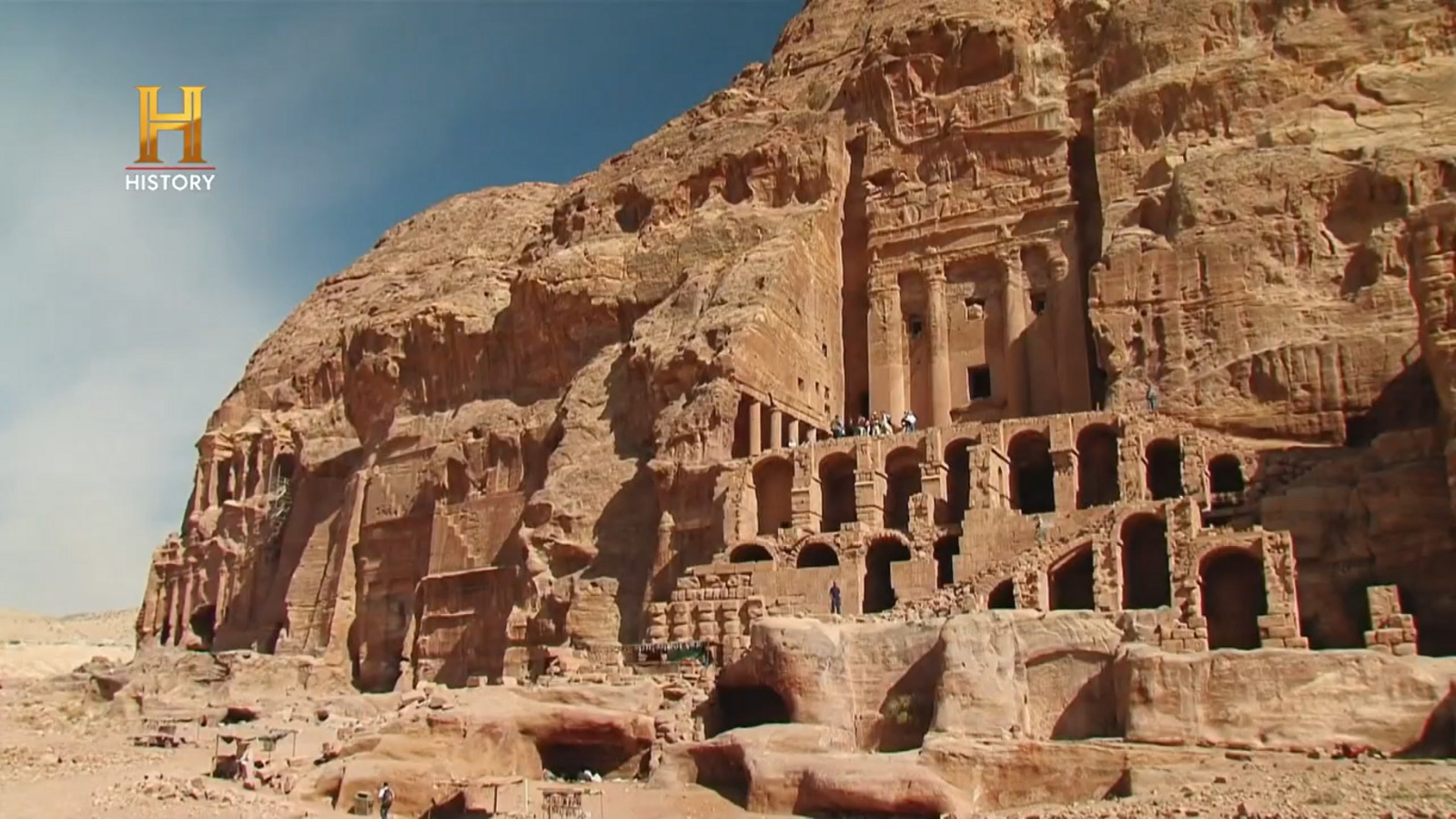

Archaeological city of Jordan preserves monumental facades, rock-carved theater, and hydraulic system created by the Nabataeans to capture water, supply thousands of inhabitants, and transform the desert into a sophisticated urban center
Petra, stone city in Jordan, gathers around 800 preserved monuments, constructions carved in pink sandstone, and a hydraulic system capable of sustaining a city in the desert. Capital of the ancient Nabataean Kingdom, the archaeological site was rediscovered by the West in 1812 and is now a UNESCO World Heritage Site.


Stone city grew at a strategic point of trade routes
Petra was the capital of the ancient Nabataean Kingdom and became an important commercial center between the Arabian Peninsula, Egypt, and the Mediterranean.
The location helped the Nabataeans control routes used in the transport of spices, incense, and other valuable products.
-
Ancient Creature Thought Extinct Since Dinosaur Era Reappears, Baffling Scientists

-
India Deploys Giant Fabric Tubes Filled with Sand to Combat Coastal Erosion and Rebuild Disappearing Beaches

-
China Unveils Most Human-Like Humanoid Robot for Public Sale, Featuring Silicone Skin and 88 Joints, Priced from $17,600

-
Brazil Deploys Water-Landing Ambulance Planes in the Amazon, Cutting Travel Time from 3 Hours to 12 Minutes to Reach Isolated Communities


This position explains part of the historical importance of the city. More than a set of ruins, Petra shows how a civilization managed to combine commerce, architecture, and engineering to occupy a desert area in an organized way.
Carved directly into the pink sandstone rock about 2,000 years ago, the city remained practically unknown to the West for centuries.
This changed in 1812, when Swiss explorer Johann Ludwig Burckhardt arrived at the ruins disguised as a pilgrim.
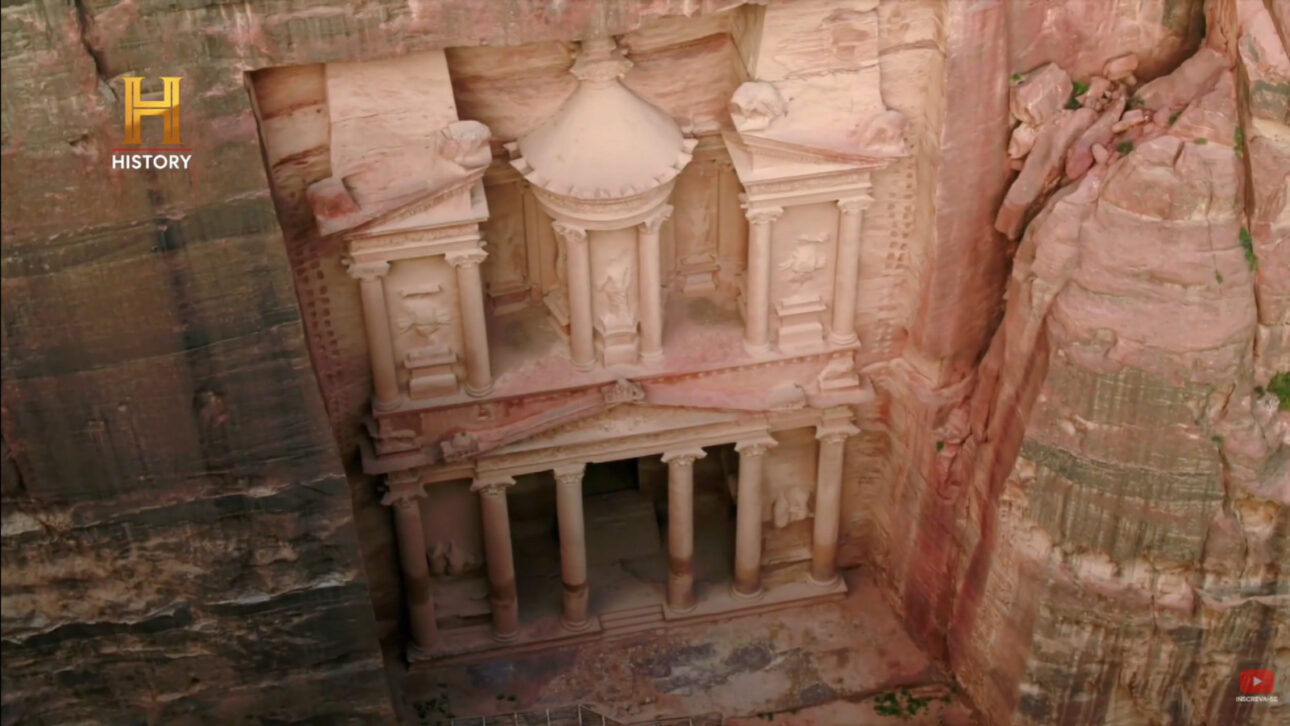
Petra gathers monumental facades, tombs, and rock-carved theater
Among the most well-known points of Petra is Al-Khazneh, called The Treasury, about 40 meters high. The facade has become the most famous monument of the archaeological site.
Another highlight is The Monastery, one of the largest facades carved into the rock. The ancient city also includes the Street of Facades, marked by dozens of monumental tombs, in addition to the Royal Tombs, known for their preserved architectural details.
The Nabatean Theater also draws attention for being entirely carved into the stone. Together, these monuments help explain why Petra is considered one of the most impressive archaeological destinations on the planet.
Hydraulic system allowed urban life in desert region
One of the most important achievements of the Nabateans was the hydraulic system created to capture, conduct, store, and protect water in a region with low water availability.
The structure utilized water from 26 seasonal wadis. Channels carved into the rocks directed the flow to cisterns and reservoirs distributed throughout the city.
This system is estimated to have supplied about 30,000 inhabitants. In addition to ensuring water, the infrastructure helped protect Petra against floods and make better use of occasional rains.
International recognition reinforces historical value of the ancient city
Petra was recognized as a UNESCO World Heritage Site in 1985. In 2007, it also became part of the list of the 7 Wonders of the Modern World.
These recognitions reinforce the cultural relevance of the ancient Nabatean city. The combination of preserved monuments, hydraulic engineering, and adaptation to the desert keeps Petra as a symbol of human creativity and the ability to transform a challenging environment into a sophisticated urban center.
This article was prepared based on information from the provided base material and the Canal History Brasil, with data, numbers, and statements preserved as per the consulted material.