






 Portuguese
  Spanish
  4 min of reading
  0 comments


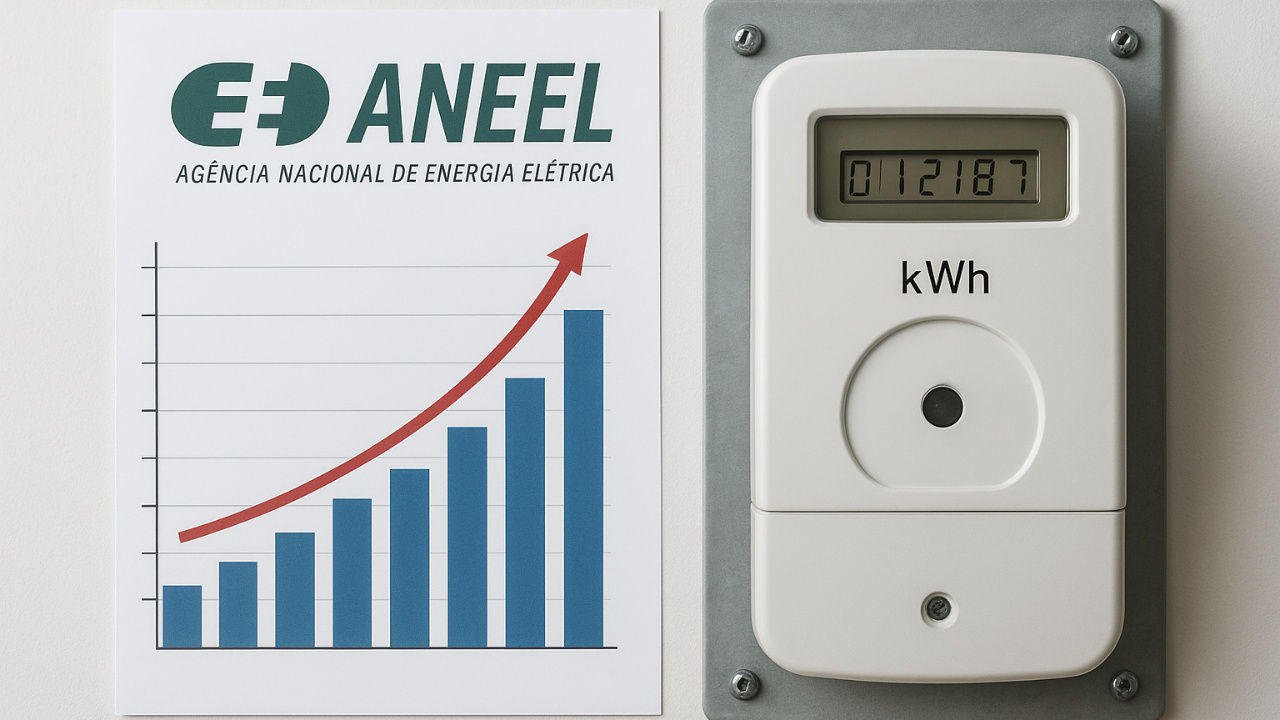
Aneel Is Studying to Implement, Starting in 2026, Hourly Tariffs as the Standard Model for Consumers Who Spend More Than 1,000 kWh Per Month. The Proposal Seeks to Encourage the Use of Energy During Cheaper Times and Reduce Pressure on the Electrical System.
The Aneel (National Electric Energy Agency) announced this Thursday (6) that it is studying a broad reformulation of electricity tariffs for low voltage consumers, such as residences and small businesses. The main novelty is that the Hourly Tariff, also known as White Tariff, may become the standard model for larger consumers — those who consume more than 1,000 kWh per month.
Currently, this modality is optional, but has low adhesion. If approved, the change will affect about 2.5 million consumer units nationwide, accounting for 25% of total low voltage consumption. The proposal represents an important step to align the tariff system with the new reality of the electric sector, marked by the accelerated growth of solar and wind energy.
The regulatory agency will open a public consultation to hear society and the energy sector before defining the final text. The forecast is that, after the necessary analyses and adjustments, implementation will begin in 2026.
-
USP researcher creates thesis to attract international funds for the country’s electric energy sector

-
Trafigura receives authorization from ANEEL to trade electricity in Brazil and expands its operations in the largest energy market in Latin America.
-
Mobile solar panels promised to share space with corn crops, but the 20% to 25% shade reduced production by an average of 7.7% and opened a new dispute between energy and food.
-
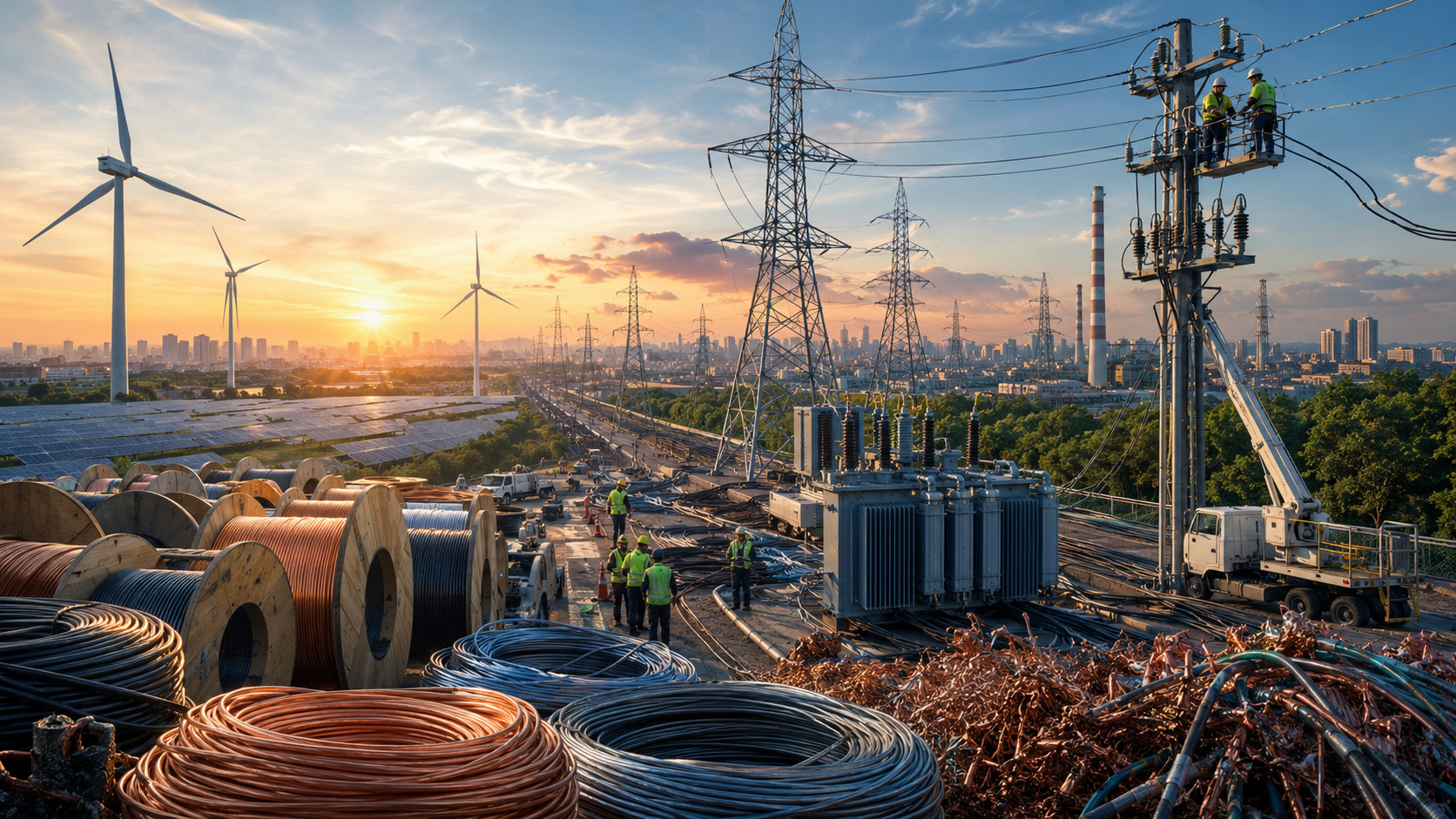
More than 80 million kilometers of wires need to be replaced by 2040: the energy transition doesn’t just depend on panels and electric cars, but on a colossal race for copper, aluminum, transformers, and recycling of old cables.


Cheaper Energy During the Day and Higher Tariffs at Night
The Aneel proposal is based on a simple idea: adjust the price of energy according to the consumption time. During periods of higher clean energy supply — especially from 10 AM to 2 PM, when there is strong solar generation — the cost would be lower. In peak hours, between 6 PM and 9 PM, the tariff would be higher, reflecting the increase in demand and the necessity of activating more expensive sources, such as thermal power plants.
According to the agency, the objective is to send a correct price signal to the consumer, encouraging high-consumption activities, such as the use of air conditioning, pool pumps, and charging electric vehicles, to be performed outside peak hours.
With this reorganization, consumers who adapt their routines will be able to significantly reduce their electricity bills by taking advantage of cheaper time slots. Additionally, the measure aims to decrease the waste of renewable energy, which is often produced in excess during the day and wasted due to lack of immediate demand.
Positive Impact on the Electrical System and the Environment
The Aneel believes that adopting the Hourly Tariff will bring positive impacts not only for consumers but also for the electrical system as a whole. By encouraging consumption during periods of higher supply of clean energy, the agency hopes to reduce the need to activate thermal power plants, which are more polluting and expensive, and defer heavy investments in the expansion of transmission and distribution networks.
This strategy aligns with the global trend of flexible energy consumption, in which users take a more active role in managing electrical demand. In European countries, for example, similar models have already resulted in reduction in consumption peaks and better use of solar energy.
New Meters and Smart Technology in Residences
To make the change feasible, it will be necessary to install new energy meters capable of recording consumption hour by hour. These modern devices will allow accurate tracking of periods of higher usage and ensure that billing occurs correctly and transparently.
According to Aneel, the replacement of meters will be carried out by the energy distributors, as part of their modernization plans. The costs will be considered recognized investments by the agency during periodic tariff review processes, which means there will be no immediate pass-through to the final consumer.
With the new equipment, it will also be possible to integrate smart energy control technologies, such as automated home systems and apps that inform the user of the best times to consume energy.
The Aneel proposal reflects a transformative movement in the Brazilian electrical sector, aiming to balance economic efficiency and environmental sustainability. By adapting the tariff structure to the new generation matrix — increasingly dependent on solar and wind energy — the agency intends to promote more conscious consumption habits and make the electrical system more stable and modern.
If successfully implemented, the Hourly Tariff could mark the beginning of a new phase in Brazilians’ relationship with energy usage, where technology and planning work together to reduce costs and emissions.






Be the first to react!