






 Portuguese
  Spanish
  2 min of reading


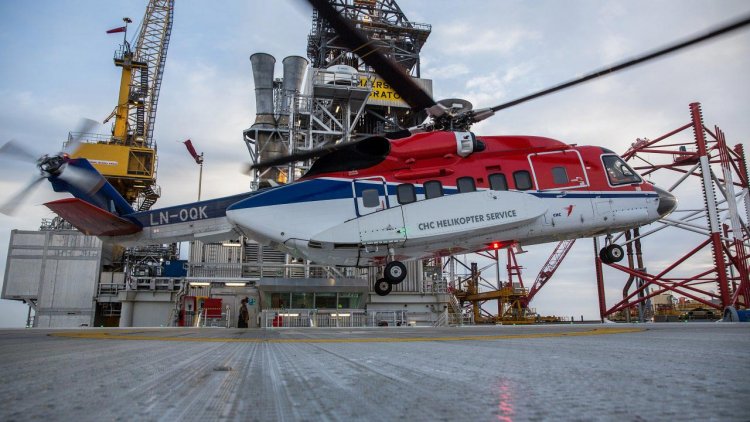
COVID-19 Put Another Major Strain on Oil and Gas Aviation, Which Was Already Experiencing a Reduction in Utilization, Oversupply, and Intense Competition
Global demand for helicopter transportation to offshore facilities plummeted in 2020 as a result of the Covid-19 pandemic, according to a report from Rystad Energy. National Energy Policy Council Approves Rules Related to the Oil, Natural Gas and Biofuels Sectors
Read Also
- Halliburton Selection Process in Rio de Janeiro Seeks Job Openings for Technicians and Engineers
- Engeman Macaé Human Resources Calls for Offshore Openings
- Subsea 7 Calls for Offshore Openings in Rio das Ostras and Rio de Janeiro for Technicians, Engineers, and More Professionals
Helicopter traffic was affected because non-critical maintenance crews were moved to the coast, and other non-essential operations at offshore facilities were proactively postponed to reduce contamination risk and save money.
Traffic decreased, although production facilities and mobile offshore drilling units (MODUs) – the two main drivers of helicopter demand in oil and gas extraction and drilling operations – experienced only limited disruptions.
-
IEA reduces forecast for global oil demand in 2026 after impacts of the Middle East crisis

-
Bank of Japan raises interest rates to 1%, reaching the highest level in over three decades

-
ANP halts LPG reform, and Sindigás sees technical caution as a decisive point for safety, investments, and the future of the cylinder in Brazil.
-
Oil spill in the Caribbean raises environmental alert and increases tension between Venezuela and Trinidad and Tobago





The North Sea is the busiest region in the world for offshore helicopters, accounting for 22% of global traffic. Following it is Brazil with 11%, West Africa and the U.S. Gulf of Mexico each with 8%, and Australia with 3%. The remaining 48% is divided among all other regions.
The demand for helicopter passengers is driven by a variety of factors; distance from the offshore facility to the onshore heliport, offshore worker rotation schedules, bed utilization, and sharing of flexible/designated beds across different facilities.
However, positive flight traffic reports indicate that activity may recover by the end of 2020.
In Norway, for example, reported offshore passenger traffic shows a 14% decline in the first ten months of 2020 compared to the same period last year, and reported passenger traffic in October shows an increase of about 10,500 (to 45,500) compared to the low traffic in April.
In 2021, Rystad Energy expects offshore helicopter traffic to increase to 460 million passenger miles. In 2022, we anticipate a slight increase in the average distance from the facility to the heliport, driven by an increase in deepwater operations, which will help traffic surpass pre-2019 levels and reach an estimated 487 million passenger miles.
This year, COVID-19 had a limited impact on existing production infrastructure since active production facilities are not normally affected by fluctuations in oil prices, and most activities (shutdowns and new developments) require long-term planning.
Looking ahead to 2022, demand may begin to increase with the expectation of improved oil prices and reduced uncertainties.






Be the first to react!