Portuguese
  Spanish


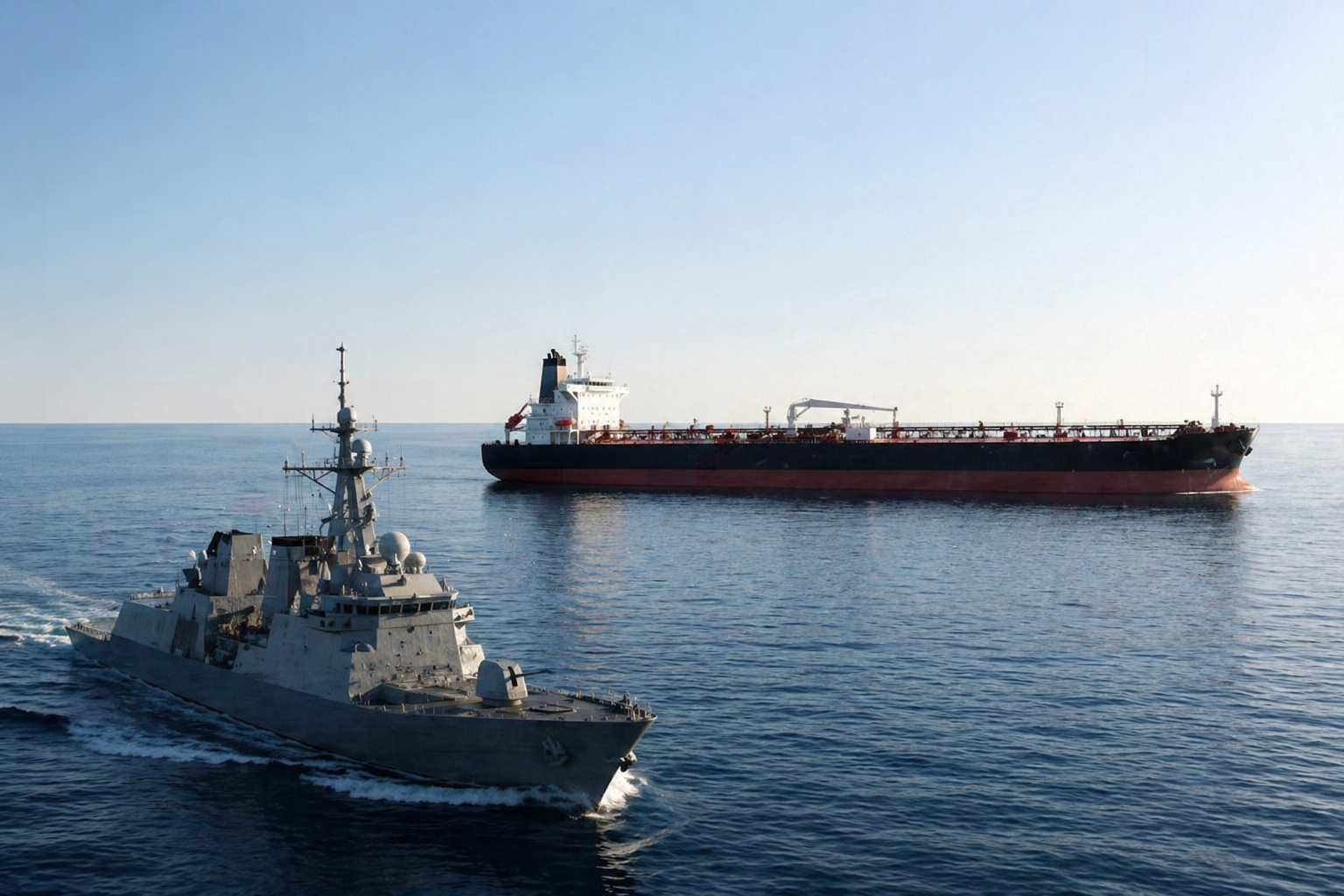

Geopolitical tensions in the Middle East have recently come back into the spotlight, especially after new actions by the United States that directly impact the global energy market. In this context, the naval blockade imposed by the USA has had immediate effects on Iran’s oil exports, causing concern among analysts and investors.
More specifically, the measure has significantly pressured the flow of Iranian oil, affecting strategic routes and reducing the exported volume. As a result, the current scenario reinforces the importance of geopolitics in the global energy balance.
The direct impact of the naval blockade
According to LSEG data, there was a significant drop of approximately 80% in Iranian oil exports through the Gulf of Oman between April 13 and 25, compared to the volumes recorded in March. This number is noteworthy not only for its magnitude but also for the speed with which the reduction occurred.
-
OPEC+ Boosts Oil Supply by 188,000 Barrels per Day in July 2026, Leading to Price Drop from $112 to $89 per Barrel in Under Two Months

-
TotalEnergies Signs 20-Year Deal to Purchase 2 Million Tons of LNG from Alaska, Boosting Project Viability
-
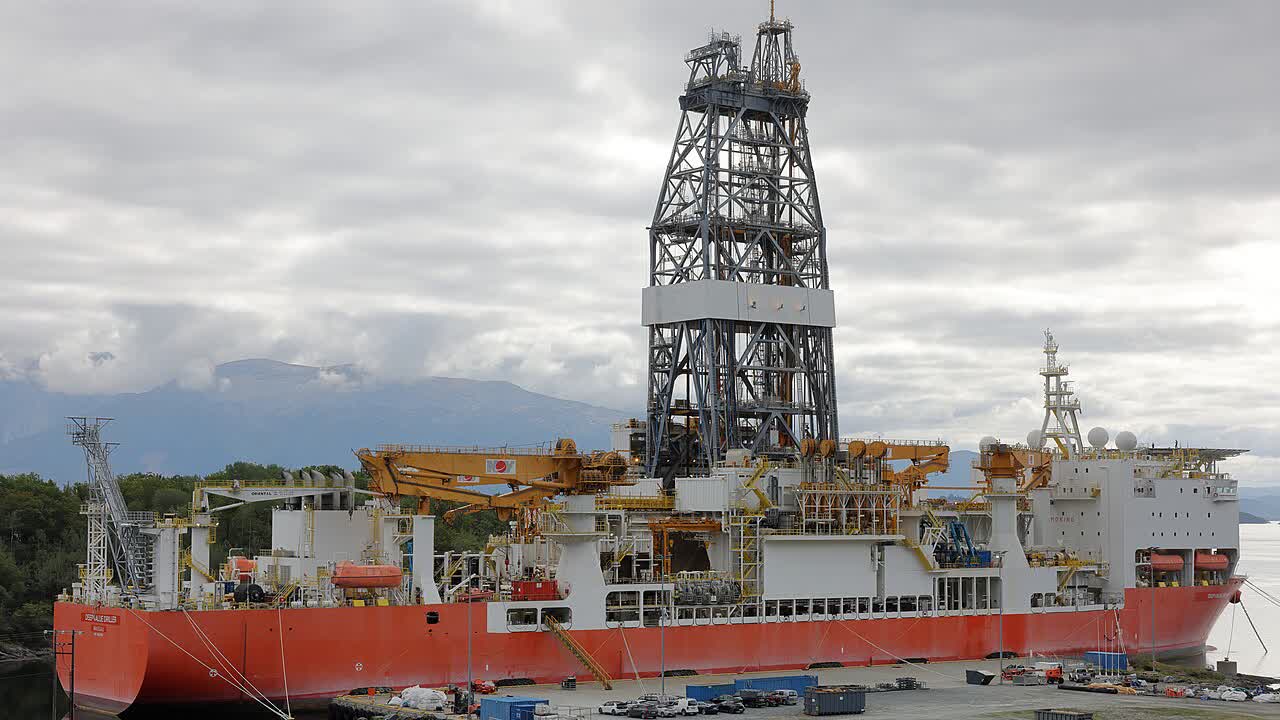
Turkey Deploys Çağrı Bey Drilling Ship to Explore New Oil Frontier Off Somalia’s Coast
-
Golden Pass LNG Ships First Liquefied Gas Cargo from the U.S., Completing $10 Billion QatarEnergy and ExxonMobil Investment

Furthermore, the naval blockade imposed by the United States acts as a direct pressure factor on Iran, hindering the flow of oil production. Thus, the country faces logistical obstacles that compromise its ability to maintain the pace of exports.
At the same time, this sharp reduction highlights how military and strategic actions can quickly impact international commodity trade.
Why Iranian oil is strategic
Iran has one of the largest oil reserves in the world, making the country a relevant player in the global energy market. Therefore, any interruption in its exports tends to generate ripple effects.
Historically, Iranian oil plays an important role in supplying various countries, especially in Asia. Therefore, when there are restrictions on the flow of this resource, the market reacts immediately.
Moreover, the Gulf of Oman is a strategic route for oil transportation, connecting the Persian Gulf to international markets. In this sense, any interference in this region directly affects the global energy logistics.
The strategy of the United States
The United States uses the naval blockade as a tool of geopolitical pressure. In other words, the measure seeks to limit Iran’s economic capacity by reducing its revenue from oil exports.
Furthermore, this strategy fits into a broader context of political and economic disputes between the two countries. By restricting Iranian oil trade, the USA increases its influence over the regional balance.
On the other hand, this approach also generates criticism, especially for its impact on the global market and countries dependent on Iranian oil.
Effects on the global energy market
As a direct consequence, the reduction in Iran’s exports can influence oil prices in the international market. When supply decreases, there is a tendency for prices to rise, especially in scenarios of uncertainty.
Additionally, investors tend to react quickly to geopolitical events. Thus, the naval blockade contributes to increasing volatility in financial markets.
At the same time, oil-importing countries may seek alternatives to compensate for the reduction in Iranian supply. This may include agreements with other producers or increased domestic production.

International reactions and increased tensions
The measure adopted by the United States not only affects Iran but also resonates throughout the international community. Several countries are closely monitoring the situation, especially those dependent on oil from the region.
Moreover, the naval blockade contributes to increasing tensions in the Middle East, a region historically marked by conflicts and strategic disputes.
In this context, experts warn that actions like this could trigger responses from Iran, further amplifying the instability scenario.
Economic consequences for Iran
From an economic standpoint, the reduction in oil exports represents a significant challenge for Iran. Oil is one of the country’s main sources of revenue, essential for financing public policies and investments.
With the 80% drop in exported volume over a short period, the financial impact tends to be immediate. Additionally, the difficulty in flowing production can lead to stock accumulation and pressure on the local industry.
On the other hand, the country can seek alternatives to circumvent the restrictions, such as new trade routes or agreements with strategic partners.
The role of geopolitics in the oil market
This episode reinforces, once again, the strong relationship between geopolitics and the energy market. Unlike other sectors, oil is directly linked to political and strategic decisions.
Therefore, actions such as blockades, sanctions, and conflicts have a direct impact on global supply and demand. Additionally, these events influence market expectations, which can affect prices and investments.
In this sense, monitoring the geopolitical scenario becomes essential to understand the dynamics of the energy sector.
Outlook for the coming months
The continuation of the naval blockade may keep pressure on Iranian exports. However, the outcome of this situation will depend on various factors, including diplomatic negotiations and possible changes in the United States’ strategy.
Moreover, the behavior of the global market will be decisive. If other countries increase production, the impact may be partially offset.
On the other hand, if tensions escalate, there is the possibility of new developments that further increase instability.


What this scenario represents for the world
In general, the United States’ naval blockade highlights how strategic decisions can generate global effects in a short time. The significant drop in Iran’s exports shows the vulnerability of the energy market to geopolitical events.
At the same time, this scenario reinforces the need for diversification of energy sources and reduction of dependence on unstable regions.
Finally, the episode highlights that the balance of the global oil market remains highly sensitive to conflicts and international disputes, requiring constant attention from governments, companies, and investors.