Portuguese
  Spanish




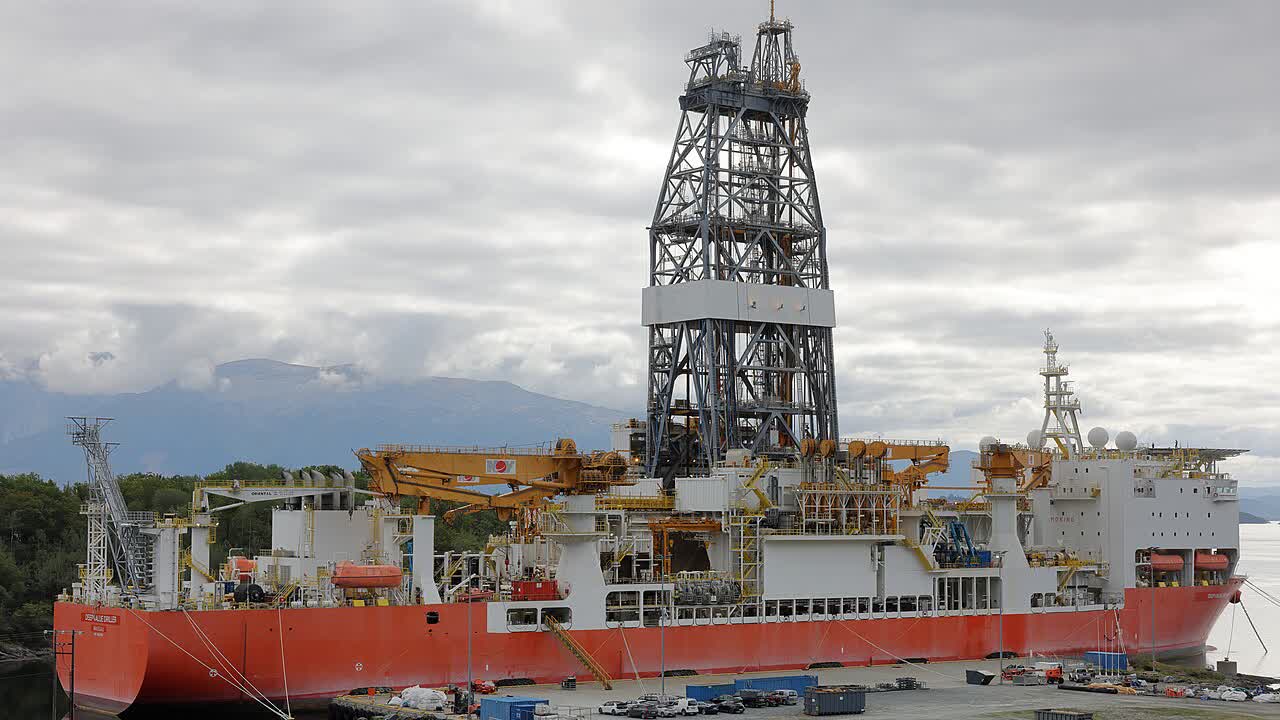
ANP Authorized the Resumption of Oil Production at the Peregrino Platform, Operated by Equinor, in the Campos Basin (RJ). The Unit, Suspended in August Due to Safety Risks, Can Produce up to 110 Thousand Barrels per Day.
The National Agency of Petroleum, Natural Gas and Biofuels (ANP) authorized on Friday (17) the resumption of oil operations at the floating platform Peregrino, located in the Campos Basin off the coast of Rio de Janeiro. The decision was announced by Prio (PRIO3) in an official statement to the market, ending a period of nearly two months of suspension.
According to the letter sent by the ANP’s Operational Safety Superintendency, both Prio and the operator Equinor were notified about the authorization. Following the release, the process of ramping up operations begins to gradually restore full production of the asset.
Suspension Was Motivated by Severe Safety Risks
The Peregrino platform was suspended in August after an audit conducted from the 11th to the 15th of that month identified serious flaws in the deluge system — responsible for containing fires — and pending issues in operational safety documentation.
-
Qantas and Airbus Invest in Company Aiming to Convert Unsorted Household Trash into Jet Fuel

-
Brazil’s ANP Opens 86 New Oil Blocks in the Equatorial Margin, Expanding the Amazon River Mouth Frontier

-
OPEC+ Boosts Oil Supply by 188,000 Barrels per Day in July 2026, Leading to Price Drop from $112 to $89 per Barrel in Under Two Months

-
TotalEnergies Signs 20-Year Deal to Purchase 2 Million Tons of LNG from Alaska, Boosting Project Viability



According to the ANP, the problems represented a “serious and imminent risk” to operations, which led to the immediate suspension of oil extraction activities. Since then, both Prio and Equinor have mobilized to meet the agency’s requirements and implement the necessary corrections.
In a statement, Equinor stated that it “promptly dedicated itself to meeting ANP’s requirements and resuming production in the field.” The company also informed that its operational teams are now working to restart production of the asset, which has produced over 300 million barrels since 2011.
Economic Impact and Production Potential
During the suspension period, Prio’s production fell by 22%, dropping from 88 thousand to 71 thousand barrels of oil per day in September. The direct impact on the company’s results underscored the importance of the release of Peregrino, which has a total processing capacity of up to 110 thousand barrels per day.
With the resumption, the expectation is that the company gradually recovers the lost volume and strengthens the performance of the Brazilian offshore sector, which is responsible for a significant share of national production.
Peregrino Field Is Strategic for the Oil Sector
Located in the Campos Basin, the Peregrino field is one of the most productive in the country and plays a strategic role in deepwater oil exploration. Operated by Equinor, in partnership with Prio, the asset has been responsible for a steady flow of investments in technology and safety.
Prio, one of the main independent oil producers in Brazil, emphasized in a statement that the resumption occurs in a planned manner, adhering to all safety protocols established by the ANP. The company also highlighted its commitment to adopting international safety and sustainability standards, aligned with the best global practices in the sector.
The release of Peregrino comes at a time of greater stability in the national oil sector, marked by a combination of new investments and stricter oversight policies. Energy market analysts believe the ANP’s decision demonstrates a balance between operational safety and the resumption of productivity, essential factors for ensuring the sustainable growth of the industry.
Moreover, the return of activities at Peregrino is expected to contribute to the increase in domestic oil supply, boosting revenues and strengthening Brazil’s position as one of the world’s leading energy producers.