






 Portuguese
  Spanish


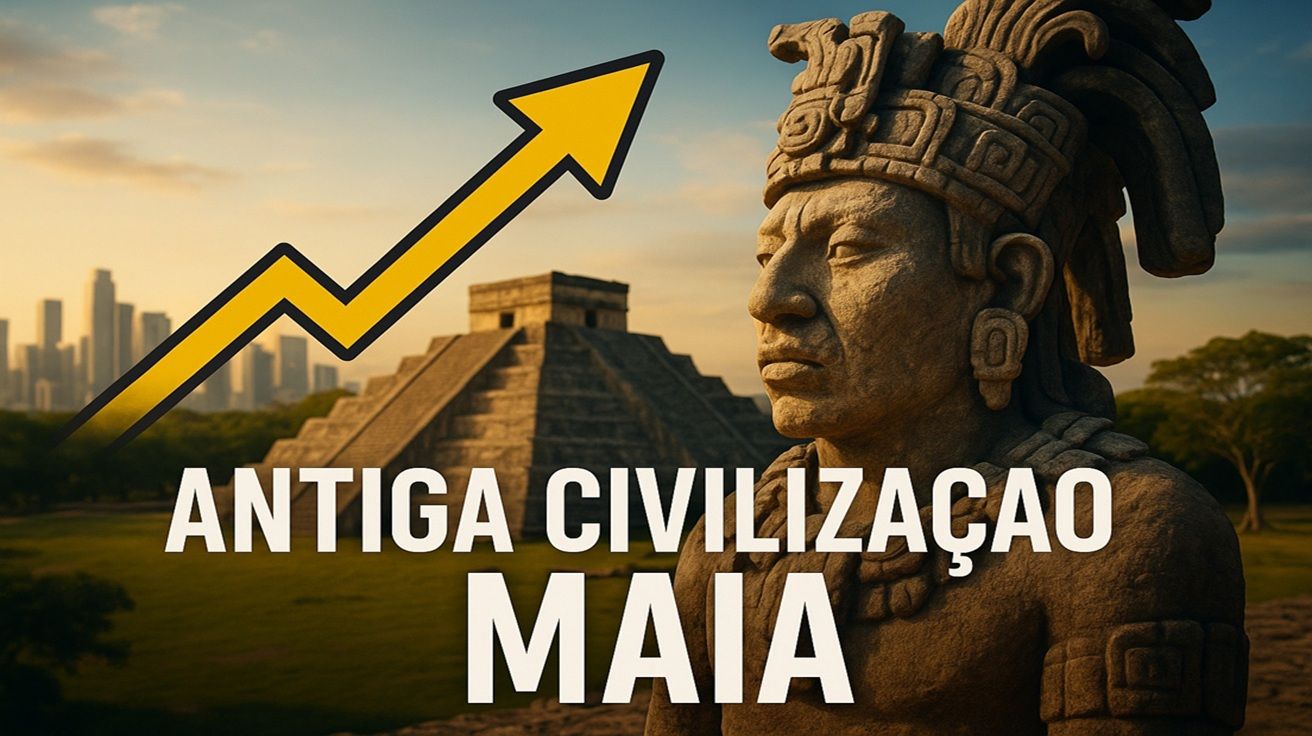


Study with Lidar Technology Reveals That Maya Civilization at Its Peak Had a Population Comparable to That of Minas Gerais and High Social Organization
A study led by Tulane University revealed that the ancient Maya civilization was much more populous than previously believed.
Researchers discovered that, at its peak, the Maya population reached around 16 million inhabitants, a population comparable to the state of Minas Gerais.
Moreover, the work showed that they did not live in isolated city-states, but rather in interconnected urban and rural areas.
-
Artesian Well Becomes Lifeline for Small Brazilian Farm: Drilling Reaches 60 Meters, Finds Marble, Navigates Rock Fissures, and Strikes Fresh Water

-
Street Cleaner in Brazil Finds Discarded Books That Helped His Wife Pass Civil Service Exam and Become Police Captain
-
July’s Night Sky to Feature Planetary Alignments, New Moon, Venus at Sunset, Buck Moon, and Two Meteor Showers

-
Fisherman Catches 18kg Catfish Near Brazil’s Itaipu Lake, Among Largest Recorded in Recent Years



“The most important thing is that the ancient Maya never cease to amaze,” said the lead author, Francisco Estrada-Belli, in a statement from Tulane. According to him, the investigation advanced into regions still unexplored in the rainforest of the Yucatán Peninsula.
The study, published in the Journal of Archaeological Science: Reports, highlighted that many rural settlements in the Maya Lowlands remain inaccessible to this day, hidden beneath vegetation.
Technology Reveals Dormant Territory
The area analyzed covers about 36,000 square miles, uninhabited for the past 1,000 years. This expanse offered a unique opportunity to apply lidar technology and map preserved ruins.
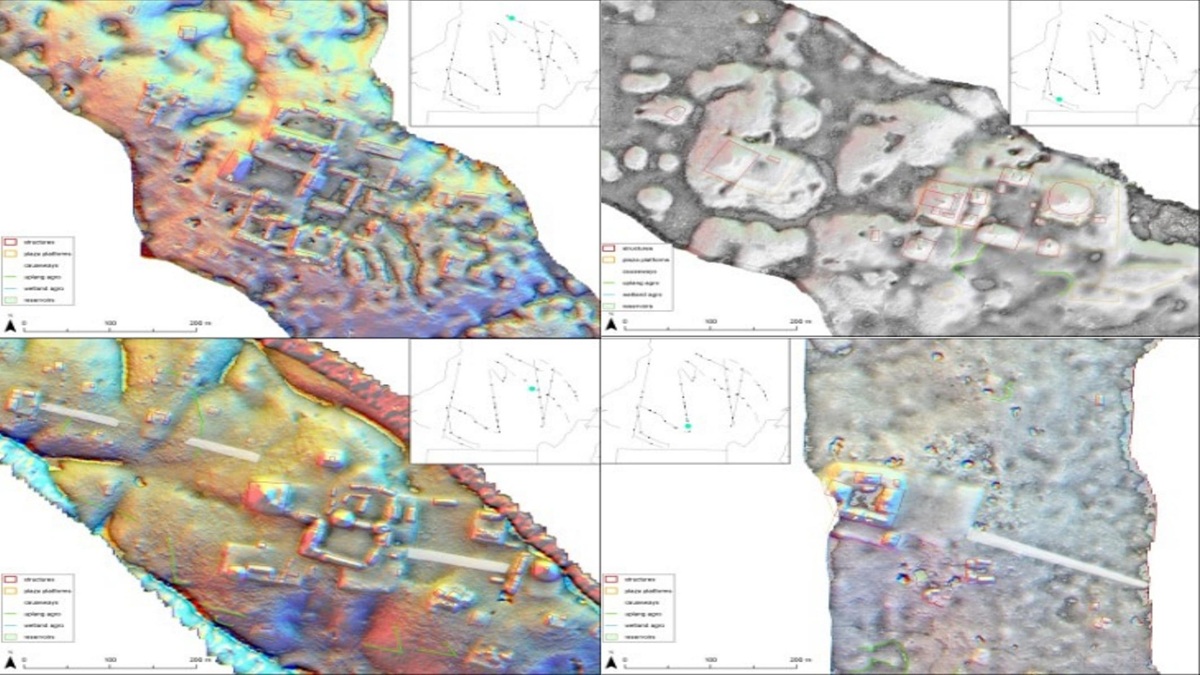
The lidar — Light Detection and Ranging system — uses laser pulses fired from aircraft to create detailed 3D maps. In the case of the study, both public and private data were used, including information from NASA’s Goddard Space Flight Center NASA.
With this approach, researchers found evidence that changed the understanding of Maya organization. The ruins revealed a more populous and sophisticated people than previously assumed, with cities and rural areas planned in an integrated way.
Historical Review and Population Increase
Until now, it was estimated that the Maya population during the Late Classic Period, between 600 and 900 AD, was around 11 million. This number came from a previous survey conducted in 2018.
However, the new study indicated a 45% increase in that estimate. “We expected modest growth, but seeing this leap was truly surprising,” said Belli.
For him, the data confirms that the Maya Lowlands were densely populated and socially organized at their peak. The analysis of the ruins helped to outline a clearer picture of the distribution and size of the communities.
Advanced Social Structure
The findings show that Maya society had a consistent pattern of organization. Residences and agricultural areas were concentrated around “plaza groups controlled by the elite.” These clusters included channels for food production and distribution, highlighting collective planning.
Almost all structures were located within five kilometers of a medium or large plaza group. This indicates that most of the population had easy access to civic and ceremonial centers, contradicting the previous view of isolated villages.
Furthermore, the study reinforces that there was a network of connections between communities, linking distant regions into a cohesive system. This organization extended beyond urban areas, encompassing the countryside as well.
Connections Beyond the Cities
Researchers assert that in the past, it was believed that Maya villages operated independently. Now, the evidence suggests the opposite: there was integration and cooperation between urban and rural centers.
This model, according to the Tulane statement, demonstrates that the Maya civilization had comprehensive planning, capable of sustaining a large population over long periods.
Therefore, rather than simple clusters, these settlements formed a complex network supported by systems of transport, production, and governance.
Potential for New Discoveries
The study also points to the future of archaeological research. By using existing lidar data, it was possible to explore remote areas without the need for new mapping flights.
This methodology could accelerate the investigation of other historical sites, allowing for new discoveries in hard-to-reach regions.
For experts, it represents a significant advancement. “Now we have concrete evidence that Maya society was far more advanced than we imagined,” said Belli.
A New Look at the Mayans
The results show that the Maya reached a remarkable level of social complexity and spatial organization for the time. Their cities and fields were planned to ensure proximity between the population and centers of power, as well as access to essential resources.
Most importantly, this perspective reinforces the image of a people with strong adaptability and planning capability, able to sustain millions of inhabitants in a challenging tropical environment.
Finally, the research indicates that lidar technology will increasingly be used to revisit the history of ancient civilizations, revealing what remains hidden beneath vegetation and time.


