






 Portuguese
  Spanish


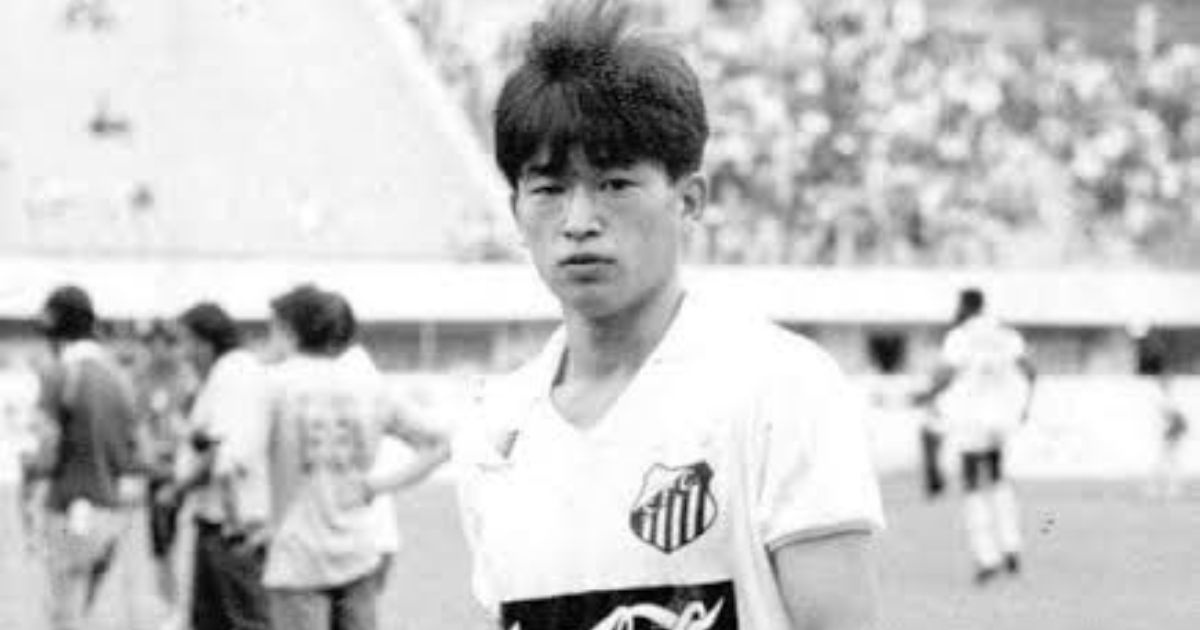


At 58 Years Old, Kazuyoshi Miura Extends Record of Longevity in Soccer by Starting Another Professional Season in Japan After Stint in Brazilian Soccer and Decades of Playing in Clubs and the National Team, Remaining Registered and Available for Official Competitions.
The Japanese forward Kazuyoshi Miura continues to be active and has started, at 58 years old, another season in professional soccer.
At the beginning of the year, he was presented as a reinforcement for Fukushima United, a team that competes in the third division of the Japanese Championship, under a six-month contract valid for the current season.
With the new contract, Miura extends a record that already belonged to him: that of the oldest active professional player in world soccer.
-
Former XP Partners Launch Yuool, a Recycled PET Bottle Shoe Brand, Becoming Brazil’s First B Corp Footwear Company with $15 Million Revenue

-
Man Who Spent 27 Years Cleaning Classrooms in Louisiana Becomes Principal of the Same School at 39

-
Discarded Firefighter Uniforms Repurposed into Fire-Resistant Fabric by Spanish Company
-
Brazilian Designers Turn Urban Waste into Vegan Fashion, Diverting Nearly 1 Ton of Waste and Earning $2.2 Million in 2024




The national season begins in the first quarter of the year, according to the Japanese soccer calendar, and the athlete indicated that his main goal remains being available to take the field.
New Contract Keeps Miura Active in Japanese Soccer
During the official presentation at Fukushima United, Miura adopted a cautious tone when discussing individual goals.
Without setting numerical goals, the forward stated that he intends to contribute offensively when called upon.
“It’s hard to define a specific goal, but I definitely want to score and create goals,” he declared. “I would like to dribble down the left wing and make accurate crosses.”
Even at 58 years old, the player refrained from treating the new contract as an end to his career.
When commenting on the future, he stated that he wishes to continue participating in matches whenever possible.
“I just want to be on the field, even if it’s for one more minute or a second,” he said.
The agreement with Fukushima United puts Miura back in a team that plays in the J3 League, after a period in which he played outside the three main national divisions.
Internally, the club has not disclosed specific goals related to the athlete’s utilization, and the expectations regarding his role throughout the season will depend on the choices of the coaching staff.
Stint in Brazil Marked the Beginning of His Professional Career
Before consolidating his career in Japan, Miura played in Brazilian soccer during his teenage years.
He arrived in the country at 15 and started his training in futsal at Juventus, São Paulo, a step that preceded his debut as a professional player.
In 1986, he signed a contract with Santos, the club where he made his debut in professional soccer.

This stint marked the beginning of an unusual international trajectory for Japanese athletes during that period.
In an interview with the Fifa website, Miura explained the reasons that led him to choose Brazil as a destination.
“My sense of professionalism, my win-or-die stance, and my attitude towards training were all molded in Brazil,” he stated. “For me, at that time, it had to be Brazil.”
The experience at Santos led Miura to often be referred to as the former ‘Menino da Vila’ in reports about his career.
Although his time at the club was short in terms of official matches, he often mentions it as an important part of his sports development.
Performance in the Japanese National Team and National Consolidation
Miura returned to Japan in the early 1990s, during a time of reorganization of local soccer.
He began playing for Japanese clubs just as the country was structuring its professional league, a process that helped increase the visibility of the sport domestically.
On the sports scene, he established himself as a forward and also played a significant role in the Japanese National Team.
Throughout his international career, he scored 55 goals in 89 matches for the national team.
Despite the numbers, Miura was left out of the call-up for the 1998 World Cup.
The decision generated reactions at the time, but the criteria were not publicly detailed by the coaching staff.
In addition to his career in Japan, the forward had stints in European soccer.
The experience helped to broaden his professional history outside of Asia.
Still, most of his career was built in Japanese clubs, where he continued to play continuously over the decades.

Longevity in Professional Soccer and Current Context
Miura’s continued presence in professional soccer draws attention because of the length of his career.
The registration as an active athlete is associated with maintaining training routines and the physical adaptation necessary to remain registered in official competitions.
Physical preparation specialists often point out that continuity at a high level depends on factors such as load control, recovery, and adjustment of the playing style.
The club, however, has not disclosed details regarding the specific planning adopted for the player.
In recent years, Miura’s presence in professional rosters has drawn interest beyond Japan.
The focus, according to recurring analyses, is on the statistical aspect related to age.
The athlete himself tends to address the topic objectively.
In public statements, he focuses on the possibility of contributing on the field whenever he is used.
At Fukushima United, the utilization of the forward throughout the season will depend on the context of the matches and the decisions of the coaching staff.
The club has not announced whether the contract may be renewed at the end of the agreed period.
As a result, the next steps in his career remain open.
By starting another professional season, Miura extends a journey that began back in the 1980s and remains registered in official competitions.








Ele jogou no CRB de Alagoas!
Esse é o mesmo jogador conhecido como Kazu? Pois a reportagem o trata apenas como Miura.
Ele mesmo.
A matéria esqueceu de citar a passagem de sucesso do Kazuo no Coritiba
Matéria incompleta…Avisa eles ai!!Jogou também no coritiba!