Portuguese
  Spanish


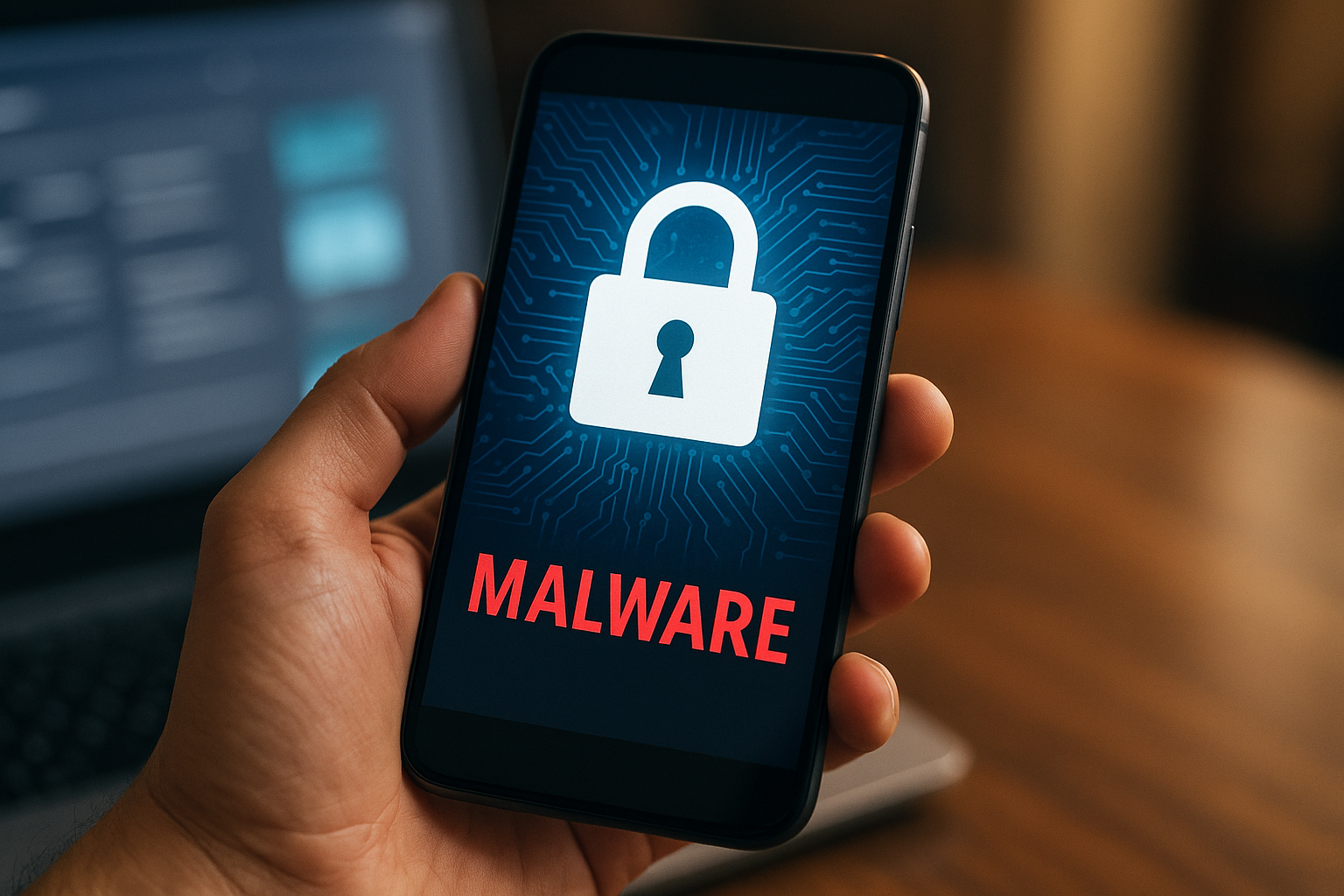

Disguised Apps Represent Significant Risks
In recent months, digital security experts have identified a growing threat: apps that compromise banking data, which, although they appear legitimate, hide malware capable of accessing banking information and conducting financial transactions without the user’s consent. These apps, despite being available in official stores, often primarily target devices running the Android operating system. Moreover, among the most dangerous malware detected are Crocodilus and Anatsa. Both primarily infiltrate PDF reader apps or mobile memory cleaning apps. As a result, the viruses manage to bypass security systems silently. Thus, criminals gain access to victims’ banking data. From there, they perform fraudulent financial transactions with ease and discretion.
Signs Your Device May Be Compromised
Detecting the presence of malware can be challenging, but some signs may indicate a possible infection:
- Unexpected slow performance of the device.
- Unusual increase in mobile data usage.
- Strange notifications or frequent pop-ups.
- Abnormal functioning of apps, especially banking apps.
If you observe these signs, it is advisable to investigate further and take immediate measures to protect your information.
-
Brazilian Engineer Develops Affordable Custom 3D-Printed Prosthetics for Children and Teens, Operated by Elbow or Wrist Movement Without Batteries

-
China Left 51 Rocket Bodies in Low Earth Orbit Between 2021 and 2025, Doubling Previous Period, Report Warns of Space Debris Threatening Satellites for Decades
-
Brazilian Researcher Uses Low-Cost Sensors to Measure Cyclists’ Pollution Exposure in São Paulo

-
18 Iron Age gold coins discovered by a teacher using a metal detector in a Suffolk field sell for £33,200 at auction, exceeding estimates.



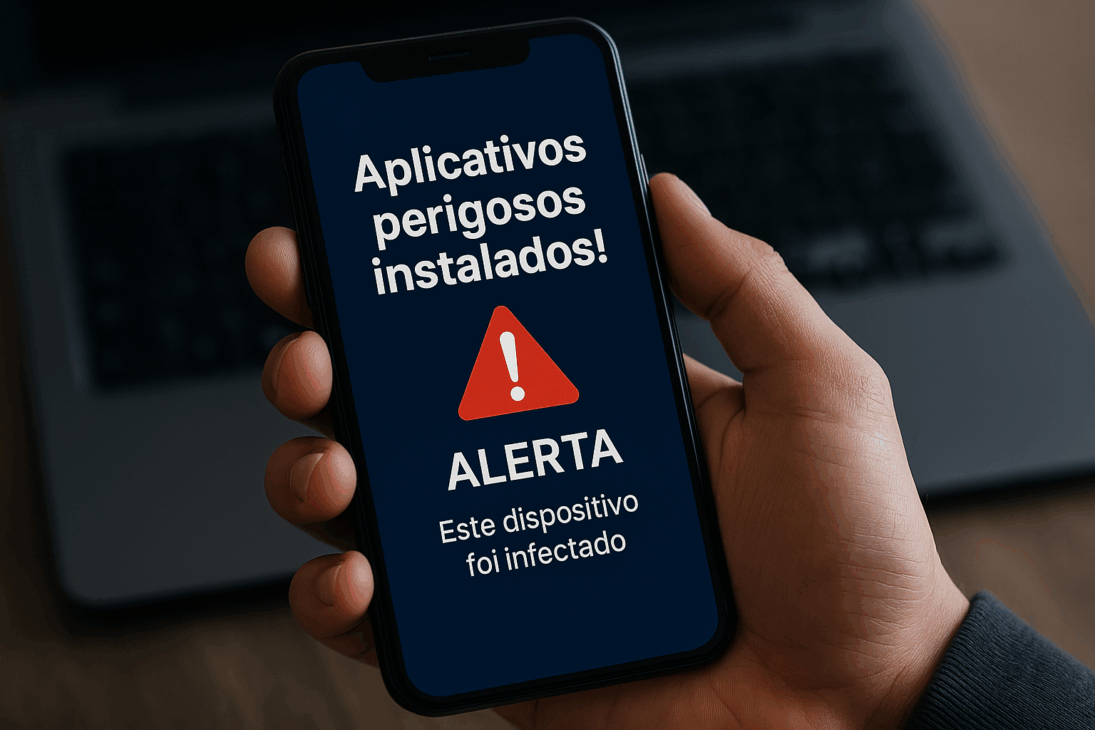
Preventive Measures to Protect Your Data
To ensure the safety of your personal and financial data, adopt the following practices:
- Avoid downloading apps from untrustworthy sources; only use official stores like Google Play Store and Apple App Store.
- Check the permissions requested by each app before installation.
- Keep your operating system and apps always updated to fix known vulnerabilities.
- Use reliable antivirus software to detect and remove threats before they cause significant damage.
- Enable two-factor authentication on banking apps to add an extra layer of security.
Awareness of digital threats and the adoption of safe practices are the best defenses against cybercriminals.
Immediate Actions in Case of Suspected Infection
If there is suspicion that your device is compromised:
- Immediately remove suspicious apps.
- Perform a complete scan with updated antivirus software.
- Change passwords for banking accounts and other sensitive services.
- Contact your financial institution to report possible fraud.
- Consider restoring the device to factory settings if necessary.
Acting quickly can minimize damage and prevent criminals from continuing to access your information.


Constant Vigilance in App Usage
Digital security has thus become an essential concern, especially now, in the era of smartphones and constant connectivity. Moreover, malicious apps pose a real threat, as many easily disguise themselves as useful and harmless tools. Therefore, staying informed while adopting robust security practices is absolutely indispensable for any conscious user. Consequently, protecting your finances and personal data requires constant attention, as well as the use of updated technologies against actions by cybercriminals.