Portuguese
  Spanish


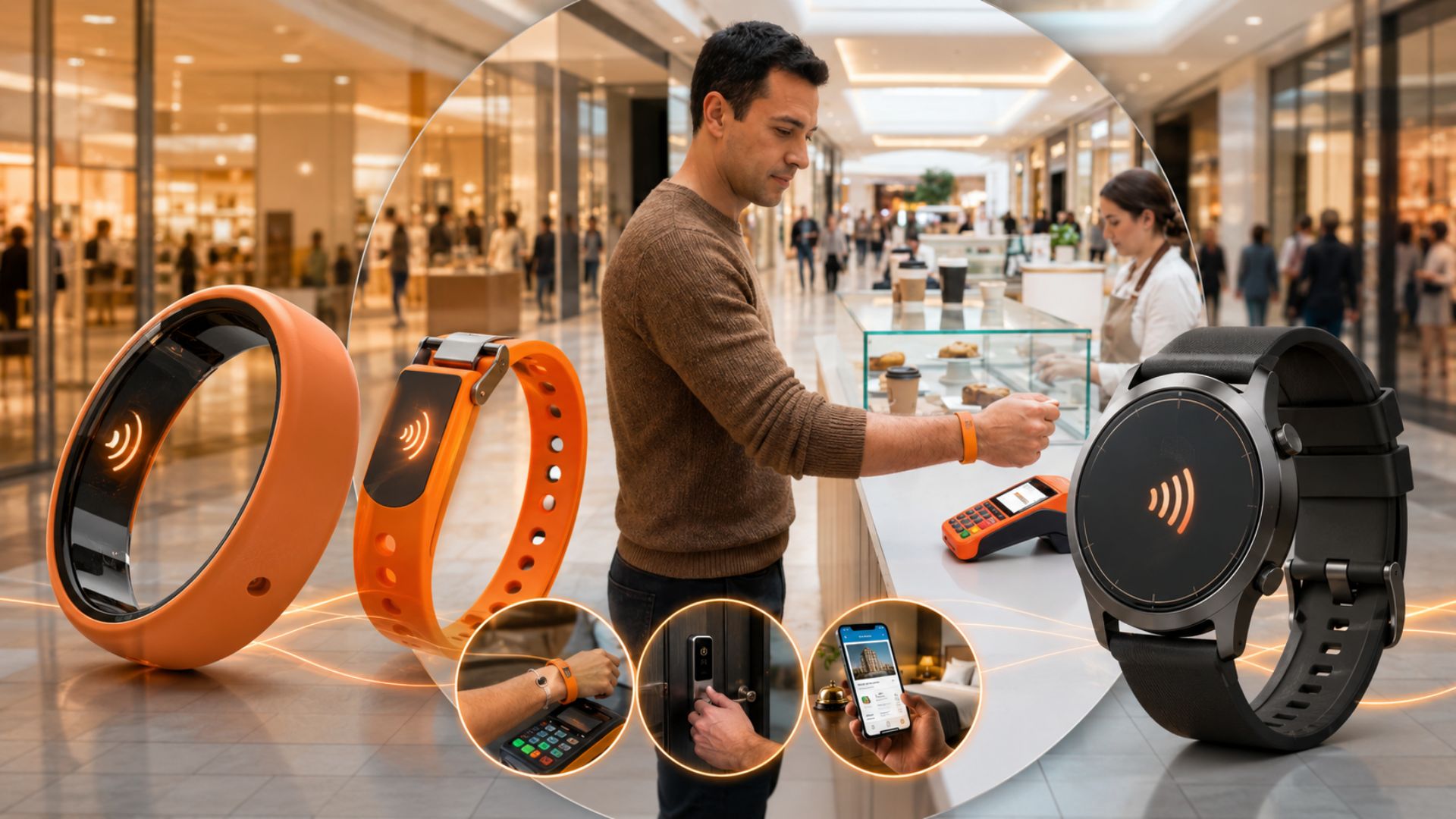


At an event in São Paulo, Inter launched a line of wearables consisting of a ring, bracelet, and watch, which make contactless payments with NFC technology, without needing a phone. The watch, with support for real and dollar, is expected to arrive around Black Friday 2026, according to the bank.
The card may be on its way out of the wallet. At an event in São Paulo, this Tuesday (2), Inter launched Inter Wearables, a line of wearables consisting of a ring, bracelet, and watch that make contactless payments without the customer needing to take the phone out of their pocket. The bank’s idea is to transform everyday accessories into an extension of the card.
For now, two of the three products are already on sale: the Inter Ring and the Inter Wristband, both with NFC technology. The watch, made in partnership with the Brazilian manufacturer Acto, is expected to arrive around Black Friday 2026. According to Rodrigo Gouveia, executive director of commerce and ecosystem at Inter, the focus is on the convenience for a young audience.
How contactless payments work with Inter’s wearables
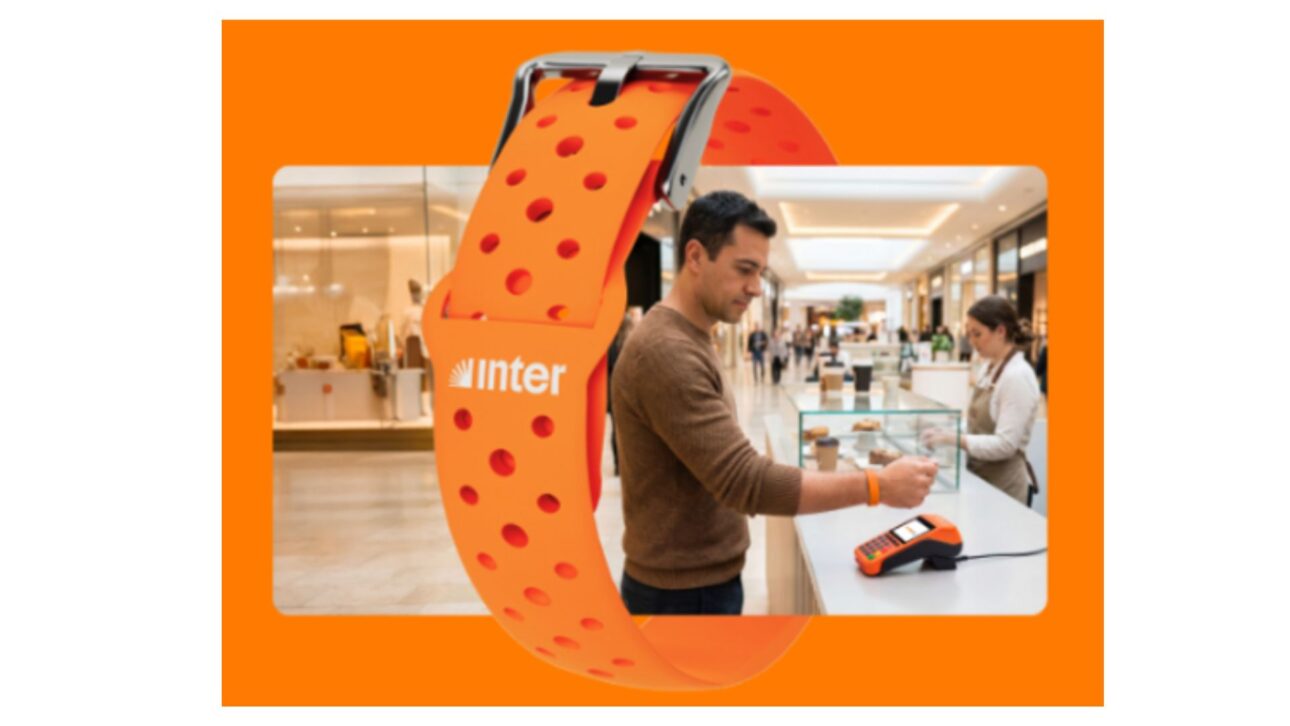
The three devices use passive NFC, meaning they do not have a battery, screen, nor need charging, and are also waterproof.
-
China to Drill 15 Kilometers into the Earth, Set to Break Russia’s Record for Deepest Man-Made Hole

-
Researchers Use Algae to Enhance 3D-Printed Walls, Boosting Strength by 25% and Speeding Construction by 33%

-
Drill Uncovers Freshwater Rivers Hidden Beneath the Ocean Floor
-
3,000-Ton, 81-Meter Attack Submarine Begins Sea Trials, Equipped with Heavy Torpedoes and Anti-Ship Missiles


After an initial activation through the Super App, the wearables is linked to the card and starts to function independently of the phone for contactless payments.
Transactions are processed through Mastercard’s system, with tokenization and encryption, and have a limit of 200 reais per purchase; above that, a password is required.
In the first phase, the line works with Inter credit cards issued in Brazil and with Global Account cards for Brazilian residents, and can be used both domestically and abroad.
All purchases made with a physical card, virtual card, or with wearables appear on the same statement, which helps in controlling expenses. In case of loss, the block is done through the app, without affecting the card.
Ring, bracelet, and the watch arriving on Black Friday
Among the products already available, the Inter Ring comes in a ceramic version, in pink, black, and gray, for 465 reais, and a metallic version, gold or silver, for 485 reais.
The Inter Wristband, in black, orange, and white, costs 349 reais.
Sales started through the Inter Shop, within the app, and the bank plans physical sales in Inter Café units and VIP lounges in the coming weeks, with a ring sizer sent to the customer’s home.
The third item is the most anticipated.
The watch, which will complete the line of wearables, is developed in partnership with Acto, a Brazilian micro-brand of watches whose models usually cost from 5,000 reais.
It will be an analog piece, with a Japanese case and movement, prepared with the innovation and hardware area of Inter for about two years.
The big difference is that it will come with two chips, one for real and another for dollar, allowing payment in both currencies, and it is expected to arrive by Black Friday 2026.
What Inter promises for the future: doors, hotels, and more
Contactless payments are just the beginning. Besides paying, the devices also function as an extra layer of authentication, enhancing the security of operations.
According to Inter, partnerships are being negotiated to use the wearables in situations like flight check-in, door opening, hotel reservations, and later, cars, as well as tickets, transportation, and events.
Part of this plan relies on another technology, MIFARE, which allows access to compatible physical environments, and the bank is already studying to allow entry into its VIP lounges through the accessories.
As a launch action, Inter also offered bonus points for three months in Inter Loop, its points program, for those who use the new devices.
Difference from the Apple Watch and points to consider


It’s worth understanding what these products are not. Unlike watches like the Apple Watch and the Galaxy Watch, or health-oriented smart rings, Inter‘s wearables are passive: they do not connect to the internet, do not display notifications, and do not monitor physical activities.
The focus is strictly on payment, authentication, and, in the future, access, using NFC technology as a base.
Therefore, there are still open questions. As industry analyses point out, the test will be whether the bank’s target audience actually adopts the product, since a passive wearable requires two steps from the customer: purchasing the device and activating it in the account.
It is also worth monitoring how many devices will actually be used in the first few months and whether contactless payments on the wrist or finger will indeed pave the way for the access experiences promised by Inter.
Replacing the card and even the cell phone with a ring, bracelet, or watch that pays by proximity is the kind of novelty that divides opinions.
Tell us in the comments if you would use an Inter wearable instead of a card and if you would trust this type of payment in your daily life.