






 Portuguese
  Spanish


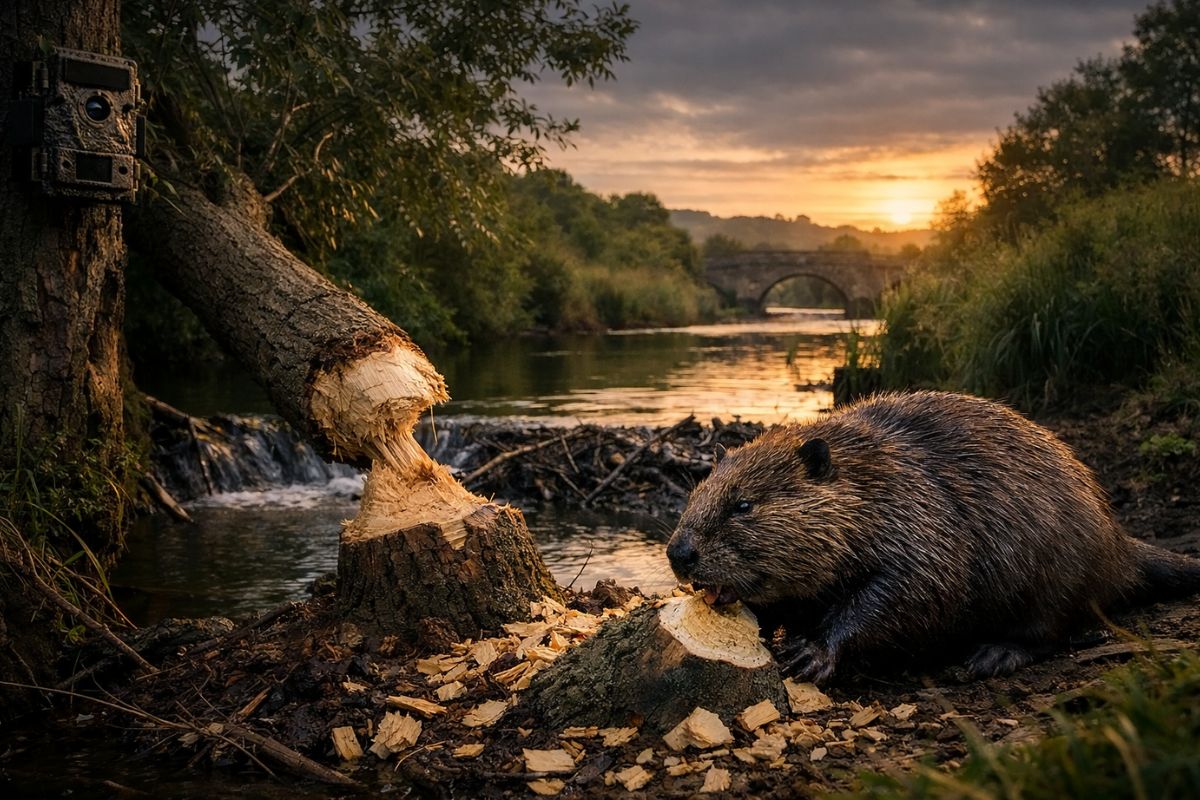
Caught By Chance By Cameras Installed To Observe Otters, The Beaver Was Spotted Swimming And Dragging Logs In The Wensum River, In Norfolk, After 500 Years Of Local Extinction. The Manager Richard Spowage Said That He Has Been Living In Isolation For About A Month And Is Preparing The Ground For Winter In The Reserve.
A wild beaver has been sighted again in Norfolk, in eastern England, for the first time in 500 years since the species extinction in the region. The animal was recorded in a nature reserve when monitoring cameras, installed to observe otters, accidentally captured its presence.
The reserve manager, Richard Spowage, stated to The Guardian newspaper that he was surprised by the sighting and estimated that the beaver has been in an isolated area of the site for about a month. The scene of a free animal returning after centuries has captivated local residents, precisely because it shows that local extinction can be reversed in specific cases.
Where The Beaver Was Spotted And Why The Cameras Were There

The sighting occurred in the Wensum River, within the Pensthorpe nature reserve, in Norfolk.
-
Lost Page from Archimedes Palimpsest Resurfaces in French Museum After Decades, May Reveal Hidden Mathematical Calculations with X-ray and Multispectral Imaging

-
Brazilian Education Ministry Announces Tech Benefits for Teachers, Providing Smartphones, Notebooks, and Tablets to Enhance Digital Learning and Professional Development
-
Woman Stranded for Six Months in Brazilian Airport After Losing Passport and Ticket, Faces Agonizing Wait to Reunite with 15-Year-Old Son at Age 56.

-
Brazilian Man Amputates Own Foot in Attempt to Claim $300,000 Insurance Payout, But Key Evidence Found Nearby Exposes the Fraud.




The cameras were not placed to look for beavers: the original objective was to monitor otters, which made the sighting even more unexpected.
In the footage, the beaver is seen swimming and dragging logs, a behavior consistent with the animal’s routine along riverbanks.
The sudden emergence reinforced the unusual nature of the episode because the region had no recent records of free beavers since the local extinction centuries ago.
What The Beaver Is Doing Before Winter
According to Richard Spowage, the animal is preparing the ground for winter.
He described that the beaver is doing what is typical for the species: felling trees, gathering food, and organizing resources to withstand the cold.
The logic of this behavior is simple: by accumulating food and materials, the beaver can remain in its burrow when temperatures drop, keeping warm.
In other words, the return after extinction was not just a momentary appearance but the presence of an active animal occupying and modifying the environment.
The First Sign: A Chewed Tree Stump That Raised Suspicions

The discovery did not start with the video but with a clue on the ground.
The team found a chewed tree stump, with the wood cut “almost like a pointed stick.”
The cut pattern drew so much attention that, initially, they thought that a child with an axe had passed through the woods.
This detail helped transform curiosity into confirmation: the markings left by the gnawing and the wood cut are a typical sign of beavers, which opened the way for understanding that there was an animal in the area, even after so many years of regional extinction.
Historic Return After Extinction In The 16th Century And The Progress Of Reintroduction

Beavers were hunted to extinction in England in the 16th century.
Therefore, the sighting in Norfolk is described as the first of a free animal in the county since the beginning of the reintroduction process of the species in the country.
The wild population began to grow again in 2015 when a litter was born in Devon.
Today, wild beavers have been spotted in eight English regions, such as Kent and Hampshire, signaling that, in some areas, the decline of extinction is linked to the gradual resumption of sightings and breeding.
Origin Of The Beaver Is Still A Mystery And The Reserve Decided To Keep It
The origin of this specific beaver remains unknown. There are no reports of escape from captivity in the region, which makes its arrival a point of questioning.
Richard Spowage considers it unlikely that it reached the location by itself and believes that human influence may have played a role in its transportation.
Even with the uncertain origin, the reserve ensured the animal’s permanence. In the manager’s view, it is a wild animal and it has the right to be there, a decision that reinforces the symbolic weight of the episode in a context marked by centuries of extinction.
Do you think that the return of species after local extinction should lead more reserves to tolerate and protect these unexpected returns?


-

-

-

5 people reacted to this.