






 Portuguese
  Spanish


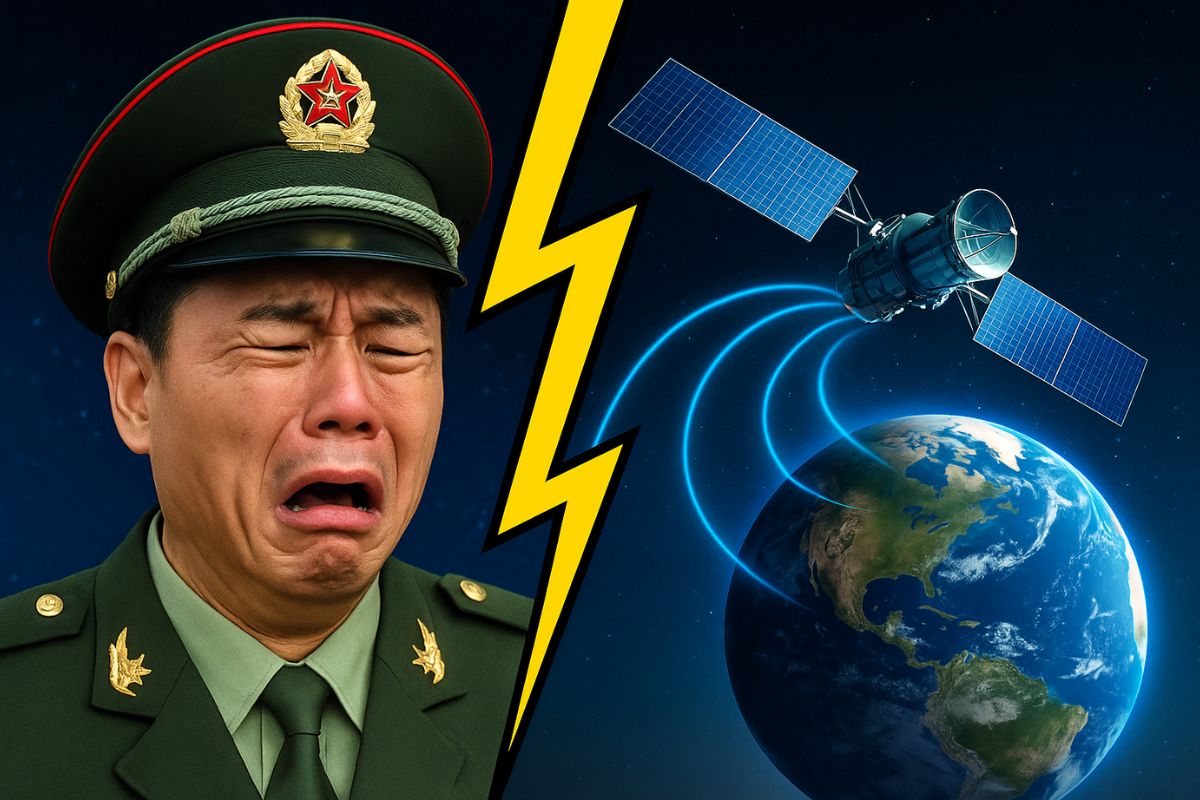


Military Failure During Crisis in the Taiwan Strait Motivated the Development of BeiDou, Direct Rival to U.S. GPS
In 1996, during military exercises in the Taiwan Strait, China lost tracking of two missiles launched against targets near the island. The failure was attributed to U.S. interference with the GPS signal, a system upon which Beijing still depended. The episode, classified by officials as a “humiliation,” was the trigger for the development of a homegrown satellite navigation system.
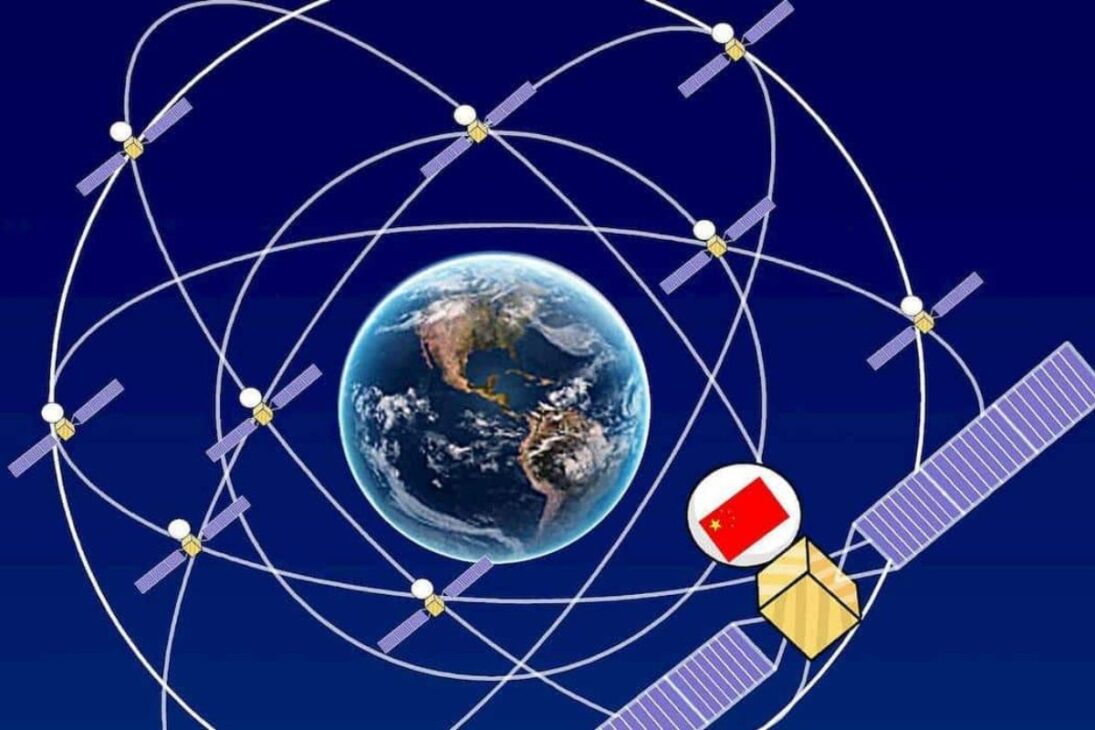
Since then, the country has invested billions in the BeiDou project, which today covers almost the entire planet and is used in both civil operations and military maneuvers. The goal was clear: to ensure total autonomy in strategic positioning, without relying on American or European infrastructure.
The Failure That Led to Technological Independence
The 1996 crisis was triggered by diplomatic tensions between China and Taiwan. In response to the stance of then Taiwanese President Lee Teng-hui, the People’s Liberation Army (PLA) launched three missiles into the East China Sea as a show of force. Only one hit its target. The other two disappeared — which exposed a serious vulnerability.
-
China Develops Custom 140-Ton Electric Mining Truck with 770 kWh Swappable Battery, Deploys 290 Units in Xinjiang’s Largest Zinc Mine

-
Meta to Launch Arena, a New Prediction App Targeting 3.56 Billion Users, Competing with Polymarket and Kalshi

-
Scientist Challenges Famous Human Evolution Theory, Argues Homo Sapiens Evolved Gradually Over Thousands of Years
-
15-Year-Old American Builds Ocean Generator with PVC Pipe and 3D-Printed Propeller for $12, Wins National Prize, Presents at White House, and Makes Forbes 30 Under 30 List




Chinese officials concluded that the U.S. had deliberately degraded the GPS signal in that region, preventing accurate tracking of the munitions. The retired colonel who revealed the case, in an interview with state media, stated that it was “a bitter lesson” for the Chinese military.
From that point on, the Communist Party treated the development of a national satellite navigation system as a strategic priority. BeiDou began to take shape in the early 2000s, with the first satellites launched in 2003 and effective regional coverage achieved in 2012.
BeiDou Today: Global Reach and Advanced Military Use
With more than 30 satellites in operation, BeiDou is now comparable to U.S. GPS, European Galileo, and Russian Glonass. The system enables precision navigation in aircraft, ships, cruise missiles, and civilian vehicles, even in electronic warfare scenarios, according to Kanwa Defence Review.
The Chinese Air Force and Navy are the primary beneficiaries, with autonomy to operate without the risk of external interference. Additionally, the country has developed complementary technologies, such as Yuanwang-class ships, used to track missiles and satellites in real-time.
Retired General Xu Guangyu stated in an interview with Chinese media that “the United States no longer has any possibility of blocking or manipulating PLA military operations” through digital sabotage. For Beijing, BeiDou has become an irreplaceable strategic asset.
From an embarrassing military crisis in 1996 emerged one of China’s largest technological sovereignty projects. The satellite navigation system BeiDou not only reinforces the country’s geopolitical position but also symbolizes its determination to never depend on rival powers in critical defense areas.
Do you believe Brazil should also invest in its own satellite navigation system? Share your opinion in the comments.







Oque eu acho que os satélites que o Brasil lançou no espaço e que custou muito caro está sendo utilizado por terceiros sem pagar nada e cobrando caro dos brasileiros a independência tecnológica é muito importante mas somos muito infantil nas finalizacoes
Sem dúvida o Brasil deveria investir nisso e garantir independência de ações e não ser refém de potências. E isso não só em sistema semelhante ao GPS. Mas pra isso é preciso visão muito refinada dos cenários que se apresentam.