





 Portuguese
  English
  Spanish
  5 min of reading
  0 comments


After More Than Three Centuries, Denmark Finally Returns to Brazil One of Its Most Precious Sacred Artifacts. This Treasure, Coveted by Generations, Carries a Huge Historical and Cultural Importance, Marking a Significant Moment in the Relations Between the Two Countries.
Denmark Returns Brazilian Artifact: The return of historical and cultural artifacts has been an increasingly prominent topic in international debates, especially regarding treasures taken from colonized countries and preserved in museums or private collections in Europe. Brazil, like many other countries, has a history marked by the loss of important cultural items during the colonial period. However, after more than 300 years, one of Brazil’s most significant sacred treasures is finally coming home: a Tupinambá cloak, symbol of indigenous power and culture. This artifact, which was taken during the colonial period, was in the possession of Denmark, but now, thanks to a diplomatic and cultural effort, the European country is returning this precious item to Brazil.
The Meaning of the Tupinambá Cloak: A Cultural Treasure of Brazil That Carries Power and Tradition
The Tupinambá cloak returned by Denmark is a ceremonial piece made with four thousand red macaw feathers, measuring almost one meter and eighty in length. This artifact played a central role in Tupinambá culture, representing power, hierarchy, and the tribe’s sacred rituals.
It was commonly used in important ceremonies, being reserved for members of high status in the community. The piece is not only a representation of the artisanal skill of Brazilian indigenous peoples but also a symbol of their spirituality and connection to nature.
-
China imposes sanctions on the Philippine Defense chief, bans entry to Hong Kong and Macau, and turns criticisms over the South China Sea into a new diplomatic crisis that could bring Manila even closer to the US.

-
Somali referee was close to fulfilling his dream of officiating at the World Cup, was barred in the USA and returned home welcomed as a hero in Somalia

-
Discovery of floating structure in Scarborough prompts Philippines to act and increases international attention on the South China Sea

-
Hungarian deputies approve a 40% cut in their own salaries, lose allowances, and place political privileges at the center of a change that surprised Europe.




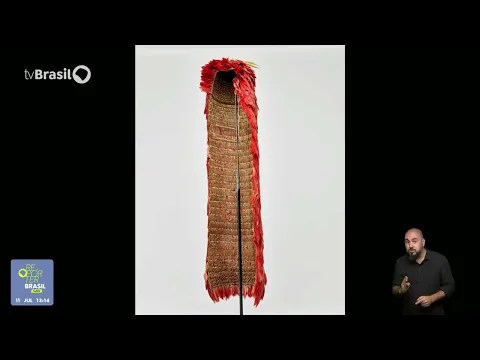

Although this treasure was taken to Europe during the colonial period, its return represents an important effort to recover part of Brazil’s cultural heritage. The Tupinambá cloak is one of Brazil’s most valuable artifacts, not only for its historical significance but also for its deep meaning to indigenous peoples.
The Journey of the Tupinambá Artifact: From Colonial Looting to the Museum in Denmark
The Tupinambá cloak was taken from Brazil in the 17th century, during the Portuguese colonial period, amid exploratory expeditions to the “New World.” During this time, the Danes, like other European countries, actively participated in the collection of indigenous objects, which were considered exotic and valuable.
The cloak eventually became part of King Frederick III of Denmark’s collection in 1689. Since then, the artifact has passed through different royal collections and, ultimately, was displayed at the National Museum of Denmark in Copenhagen, where it remained for centuries.

Denmark retained this artifact as an example of the interactions between Europe and the Americas, but it also symbolizes the exploitation and looting of indigenous cultural treasures.
The Tupinambá cloak is one of the few that has survived the test of time, and its preservation has been essential for the study of lost traditions of Brazilian indigenous peoples. Now, with its return to Brazil, the Tupinambá artifact can finally be celebrated and appreciated in its original context, connecting the present to the cultural roots of the country.
The Return of the Tupinambá Treasure: A Milestone in the Preservation of Brazilian Cultural Heritage
After more than three centuries, the Tupinambá cloak returned to Brazil in 2024, thanks to Denmark’s efforts to collaborate on the return of historical artifacts to their countries of origin. The announcement of the return was made in July, and in August, the cloak was officially presented in a ceremony in Rio de Janeiro, with the presence of President Luiz Inácio Lula da Silva.
The event was marked by emotion and celebration, with the participation of more than two hundred members of the Tupinambá community, who camped outside the building, chanting and drumming in homage to the return of the artifact.
During the event, Maria Yakuy Tupinambá, one of the indigenous leaders from the Olivença community, shared her reflections on the historic moment: “I felt sadness and joy. A mix of birth and death. Our ancestors say that when [the Europeans] took our money, our people lost their way.” Her words echoed the feeling of reconnection with ancestral traditions, which were violently interrupted during the colonial period.
Denmark Returns Brazilian Artifact: The Global Impact of the Restitution of Cultural Treasures
The return of the Tupinambá cloak by Denmark generated worldwide repercussions, raising discussions about the symbolic and historical value of the restitution of cultural artifacts. Amy Buono, associate professor of art history at Chapman University, explained to The Guardian the importance of these objects:
“These cloaks likely functioned as supernatural skins, transferring vital force from one living organism to another.” The cloak was not just a garment but also a sacred object that carried the energy and life of those who wore it.
The return of the Tupinambá artifact also symbolizes a broader recognition of the rights of indigenous peoples, who have fought for decades to secure the return of their cultural and territorial assets. As part of this movement, the return of the cloak by Denmark is an example of how countries can work together to rectify historical injustices and value the preservation of indigenous cultures.
Recognizing Indigenous Rights: The Significance of the Return of the Treasure to Brazil
Beyond the return of the artifact itself, the return of the Tupinambá cloak to Brazil symbolizes a larger shift in how indigenous peoples and their cultures are seen and treated. Tupinambá leaders present at the return ceremony affirmed that the restitution of the cloak is more than a symbolic act — it is a fundamental step towards recognizing indigenous rights, their lands, and their traditions. The return of the artifact by Denmark is an example of how historical reparations can be made, restoring dignity and respect to indigenous peoples.
The Tupinambá cloak, now back in Brazil, is not only a treasure of Brazil but also a testament to the resilience of its indigenous peoples. Its return marks a new chapter in the preservation of Brazilian cultural heritage, and its presence on national soil will be a symbol of pride and resistance for future generations.







Be the first to react!