






 Portuguese
  Spanish


With Law nº 15.097/2025 approved and a decree expected for the first half of 2026, Brazil will take the first concrete step towards exploring an oceanic resource that can generate more energy than all the country’s power plants combined — the offshore wind potential reaches 697 GW
Brazil has never explored wind energy in the ocean.
That is about to change.
The first auction of areas for offshore wind farms is projected for 2027, following the publication of a regulatory decree expected for the first half of 2026.
-
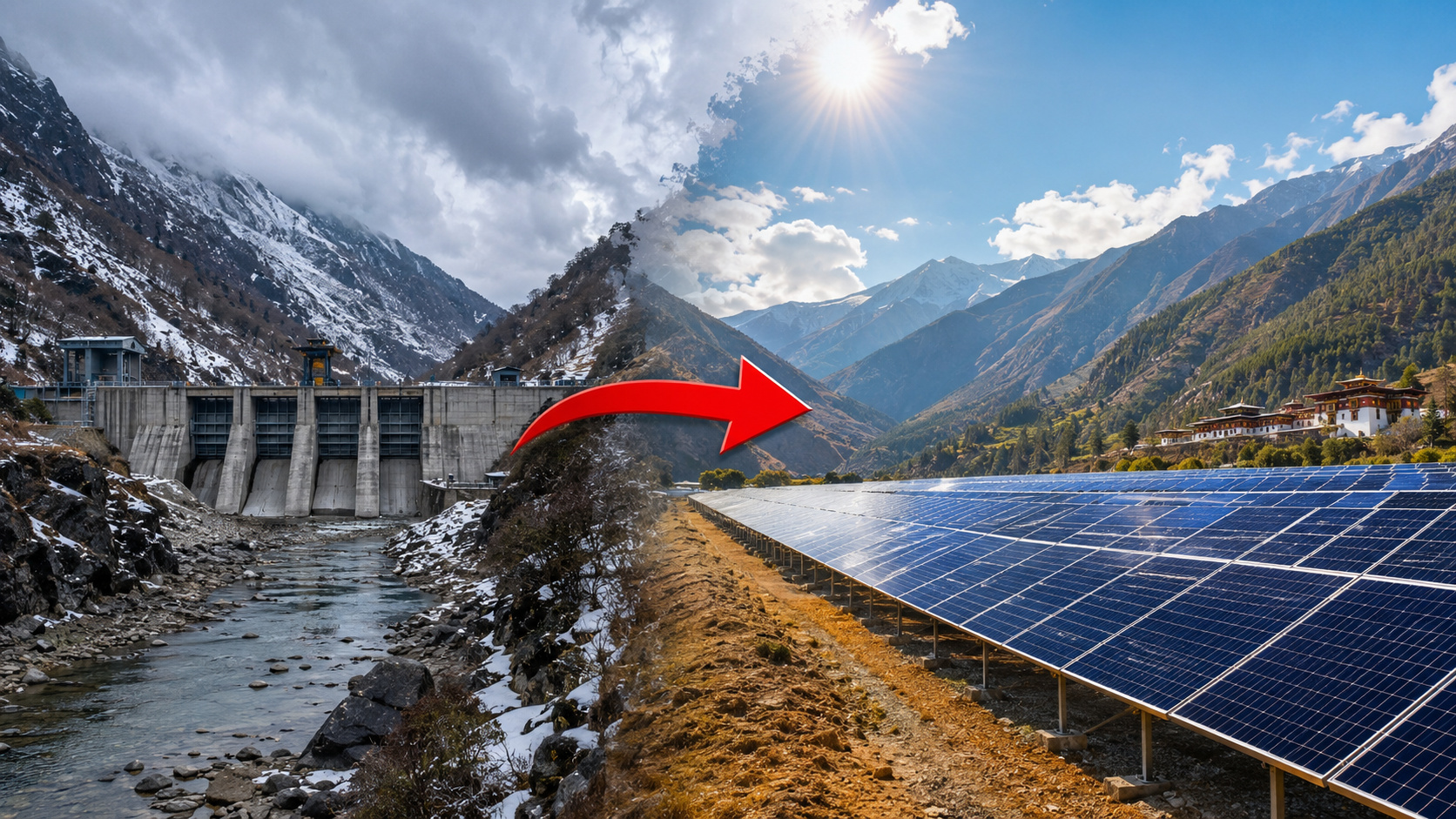
Brazil, known for its river-powered energy, installs solar plant in mountains to boost winter electricity production

-
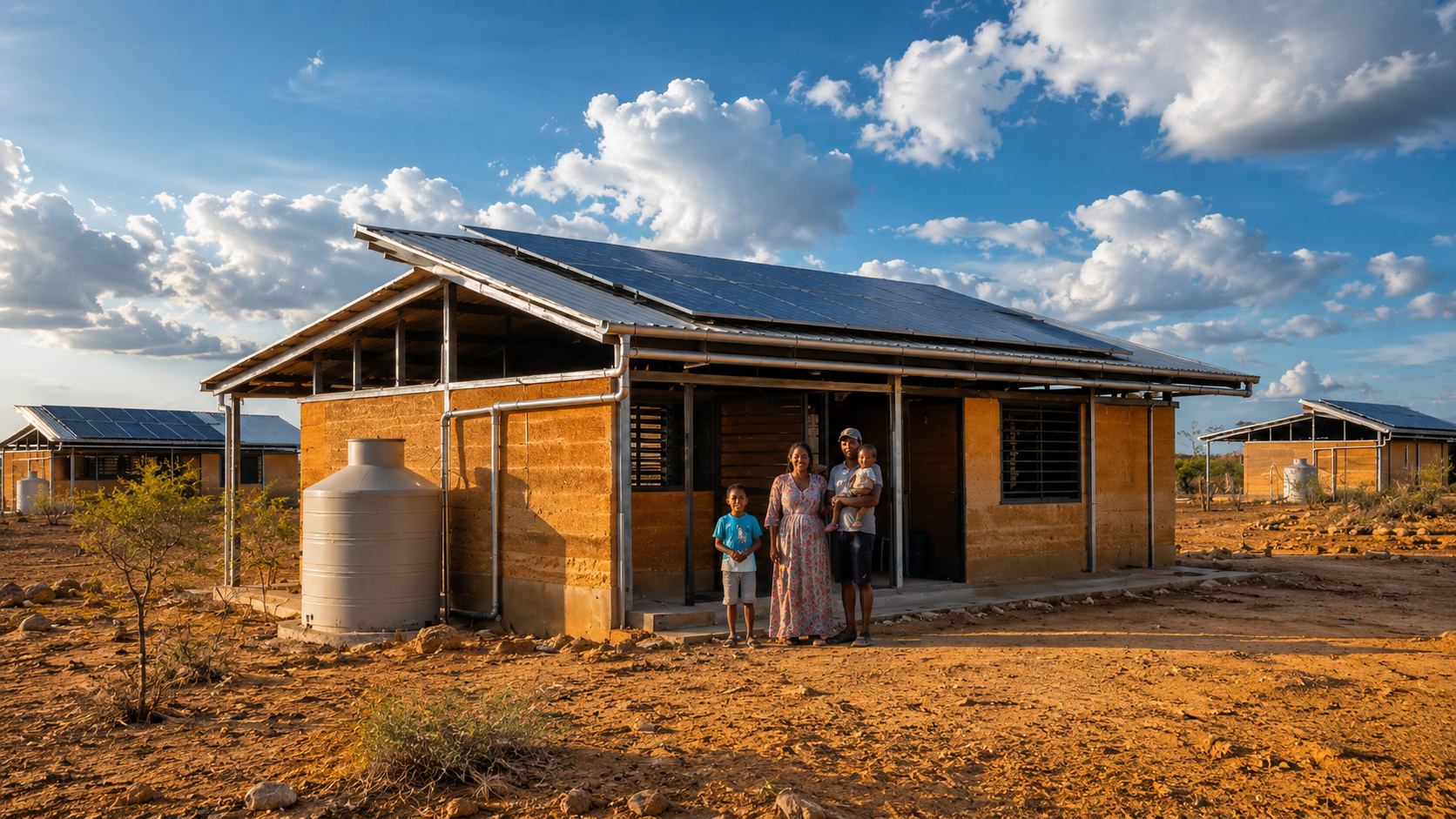
In Colombia’s desert, 30 families receive 80 m² homes with solar panels, waterless toilets, and rainwater collection systems amid water and energy shortages.
-
Engie Secures 10-Year Use of 625 MWh in Batteries to Store Excess Solar and Wind Energy in Spain by 2028
-
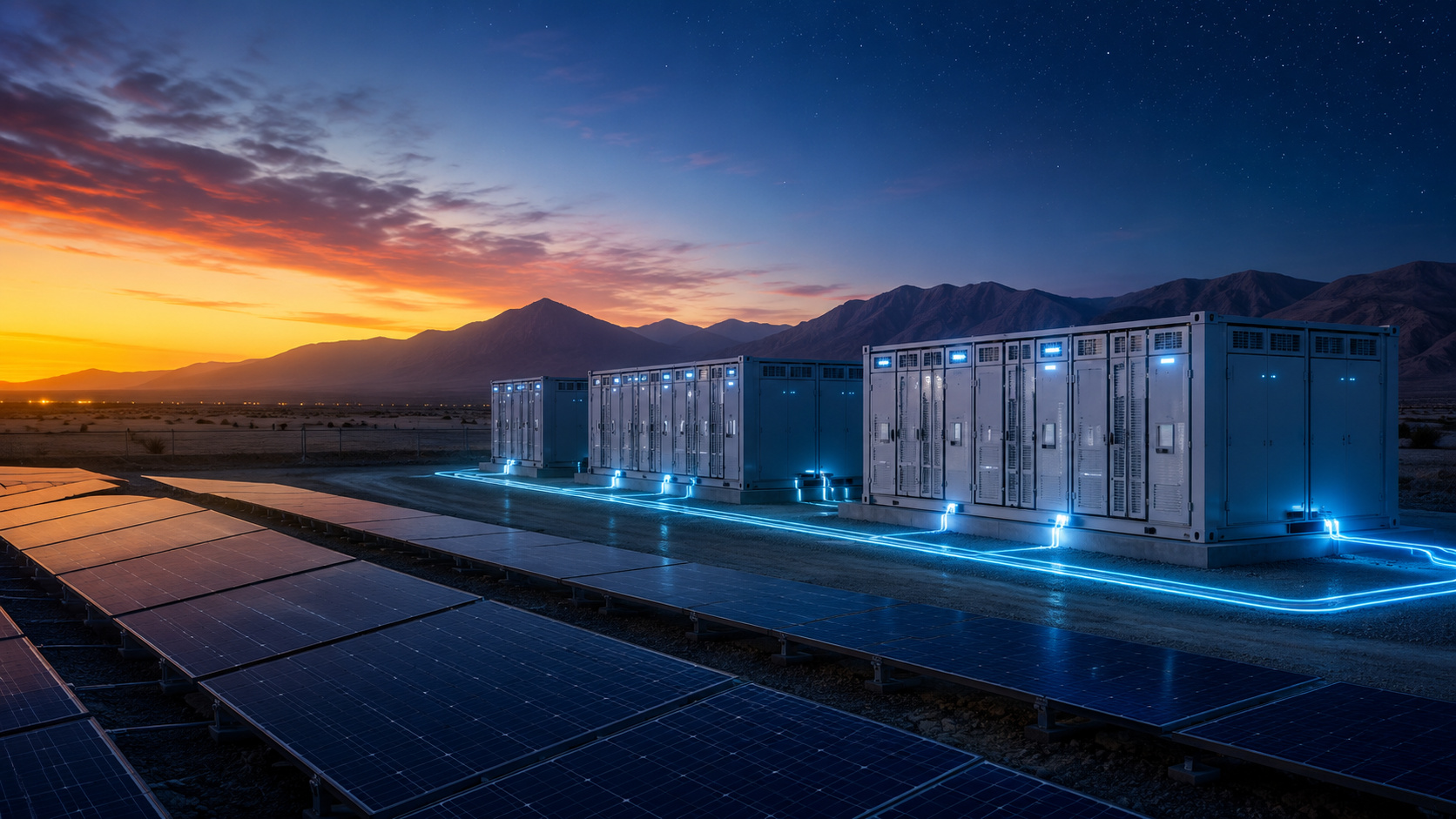
Giant Batteries Take Center Stage in Chile Auction as Company Offers 960 GWh of Solar Energy for Nighttime Use, Aiming to Stabilize Solar Power Supply

The legal framework already exists: Law nº 15.097/2025 established the rules for offshore wind power generation in Brazil.
Now, an interministerial working group coordinated by the Ministry of Mines and Energy (MME) has 270 days to detail the regulation that will allow the auction.
What is at stake is gigantic: Brazil’s offshore wind potential is estimated at 697 GW.
To give you an idea, Brazil’s entire installed electricity generation capacity totals 215.9 GW.
In other words, the wind available in the Brazilian ocean could generate more than 3 times all the energy the country produces today with all its power plants combined.

How an offshore wind farm works
Offshore wind turbines are installed on the seabed, in areas with depths of up to 60 meters (fixed-bottom technology) or on floating structures for deeper waters.
Each modern, state-of-the-art turbine can produce between 12 and 15 MW of power.
For comparison, a typical onshore wind turbine in Brazil generates between 3 and 5 MW — up to 4 times less.
The energy produced is transmitted by submarine cables to onshore substations, where it enters the national electricity grid.
The great advantage of offshore is that ocean winds are stronger, more constant, and more predictable than on land.
This means that an offshore turbine produces energy for more hours per day than an onshore equivalent, significantly increasing the capacity factor.
697 GW — more than 3 times Brazil’s entire capacity
The number is impressive in scale: 697 gigawatts of offshore wind potential.
It’s more energy than the entire combined installed capacity of Brazil, Argentina, Chile, Colombia, and Peru.
The Northeast concentrates the largest share of this potential, with constant winds and relatively shallow waters — ideal conditions for fixed-bottom foundations, which are cheaper than floating ones.
However, exploring this potential requires infrastructure that Brazil does not yet have: shipyards to manufacture submarine foundations, specialized vessels for turbine installation, and a permanent maintenance logistics chain.
Countries like the United Kingdom, Denmark, Germany, and China have dominated this technology for over a decade.
Brazil is entering the race late, but with natural advantages that few competitors can match.
US$ 2 billion held back awaiting the decree
The sector estimates that the first auction could unlock US$ 2 billion (R$ 11 billion) in immediate investments.
These resources are already committed by international companies that are only awaiting the definition of rules to start projects.
However, the creation of a new working group with a 270-day deadline could postpone these investments that were ready to flow in 2026.
Every month of regulatory delay is another month that Brazil remains outside a global market that moves tens of billions of dollars annually.

Production chain and jobs — what comes with it
The installation of offshore wind farms creates a complex industrial chain that generates skilled jobs.
It requires shipyards to manufacture concrete or steel foundations, specialized vessels with 1,000+ ton cranes to install turbines at sea, blade and tower factories that can be over 100 meters each, in addition to permanent offshore maintenance teams.
Countries that adopted offshore wind early, such as the United Kingdom, generated tens of thousands of direct jobs in the sector.
The Hull region, in northern England, transformed from a declining port city into an industrial hub for wind energy, with Siemens Gamesa factories employing thousands.
The Brazilian Northeast has the potential to replicate this model, combining abundant wind with labor and port location.
How other countries did it
The United Kingdom leads the world in offshore wind, with over 14 GW installed and targets of 50 GW by 2030.
China has surpassed Europe in annual installations and already has over 30 GW offshore.
Denmark, a pioneer, built the world’s first offshore wind farm in 1991 and today exports turbines worldwide.
All these countries started with area auctions and regulatory frameworks — exactly what Brazil is doing now with Law 15.097/2025.
Therefore, Brazil is not reinventing the wheel — it is following a proven path, 30 years late but with superior natural resources.

Caveats
The 270-day deadline for regulation may suffer delays due to political or technical issues.
Environmental issues, such as impact on marine life, bird migratory routes, and artisanal fishing, need to be evaluated in licensing studies.
The initial cost of offshore wind is significantly higher than onshore wind, although the global trend has been one of accelerated decline in recent years.
Furthermore, Brazil has no industrial experience in the sector — the entire chain will need to be built from scratch or initially imported.
Even so, with 697 GW of potential and favorable winds that blow all year round, Brazil has the natural conditions to become an offshore wind power — if it manages to regulate, auction, and build in time not to lose another decade.




Yo what’s up with you I’m Austin J Schneiderhan I’m a disabled homeless guy in great falls Montana