






 Portuguese
  Spanish


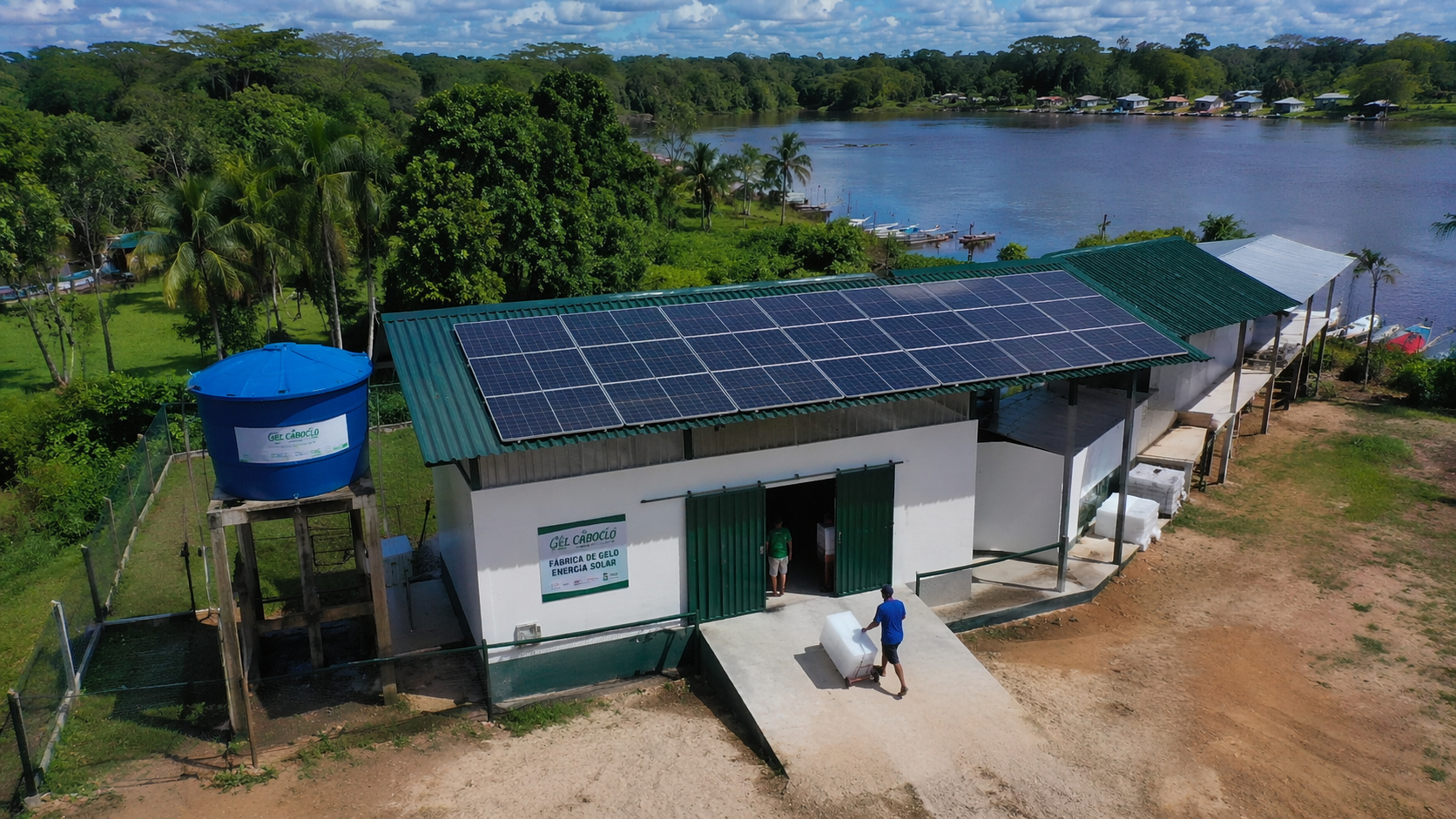


Solar-powered ice factory initiative in the Amazon eliminates transport costs, reduces fish waste, and strengthens the income of isolated communities
A solar-powered ice factory in Amazonas has already changed the routine of fishermen who depend on artisanal fishing to survive. The structure installed in Iranduba serves more than 30 riverside families and solves an old problem in the region.
The impact is direct on income and job security. The need to face a 5-hour trip to Manaus to buy ice no longer exists, reducing costs and avoiding losses that reached up to two-thirds of the caught fish.
Local ice production reaches 1 ton per day and guarantees constant supply
The factory called Gelo Caboclo operates with solar energy and has the capacity to produce 1 ton of ice per day, in addition to storing up to 20 tons.
-
Brazilian scientists are simultaneously advancing two research projects on clean hydrogen and driving solutions that could transform the energy matrix, enhance industrial competitiveness, and accelerate large-scale emission reduction targets.

-
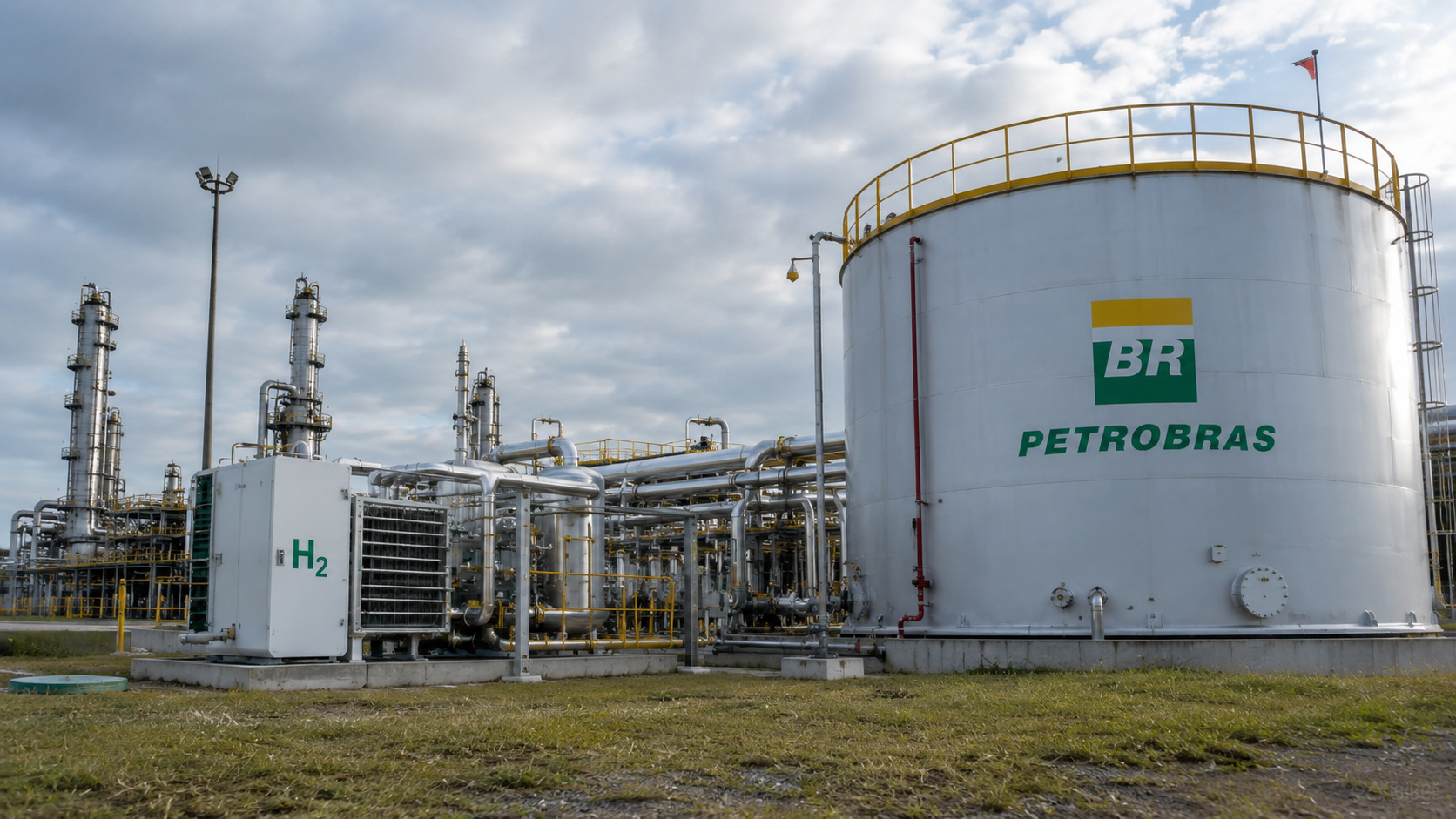
Advancement in renewable energy: A R$ 150 million project launched by Petrobras and Finep aims to create state-of-the-art electrolyzers for green hydrogen, strengthening national research and preparing Brazil to compete in a billion-dollar energy market.
-
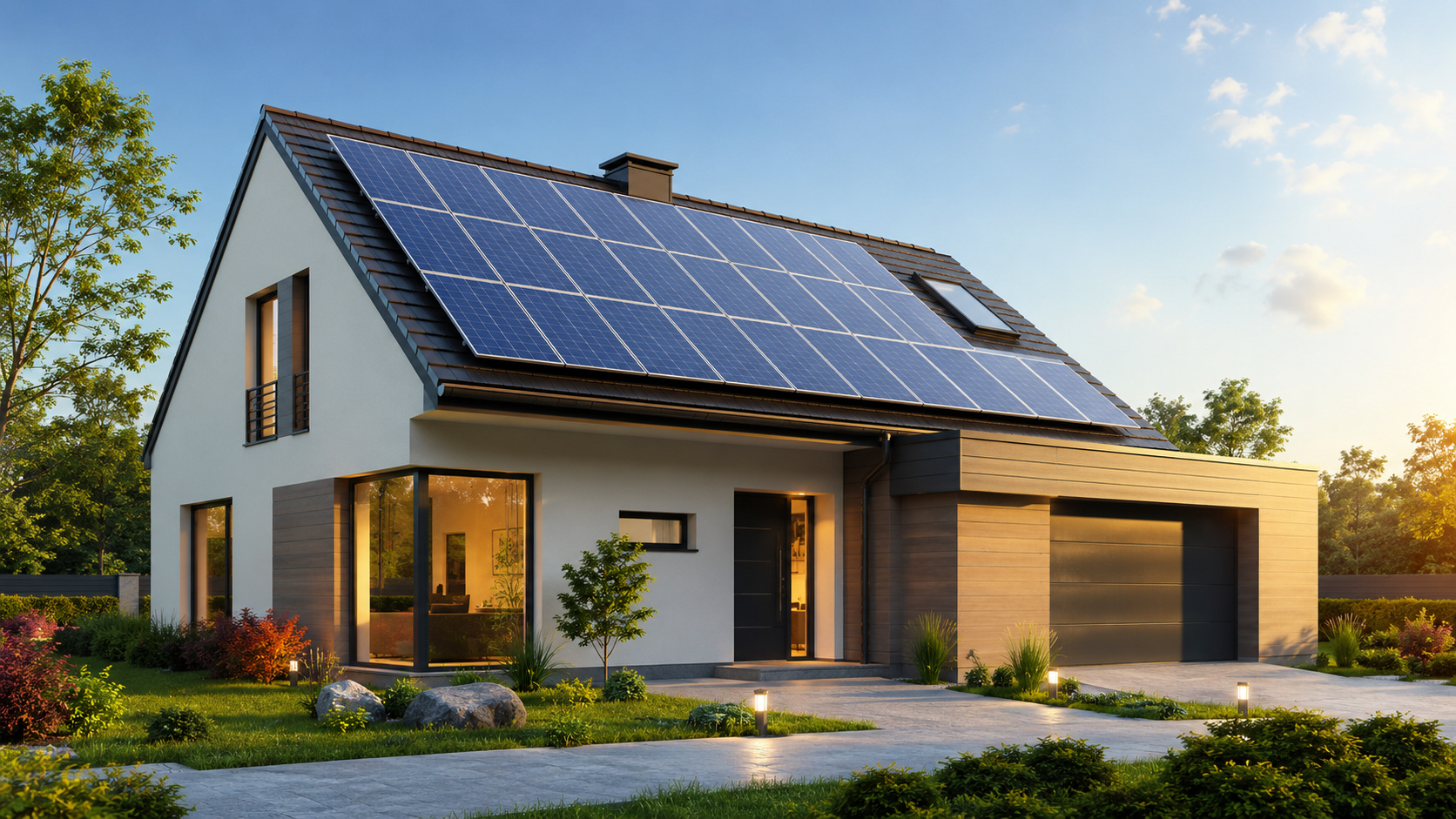
Solar energy can increase property value by up to 10% and become a selling point.
-
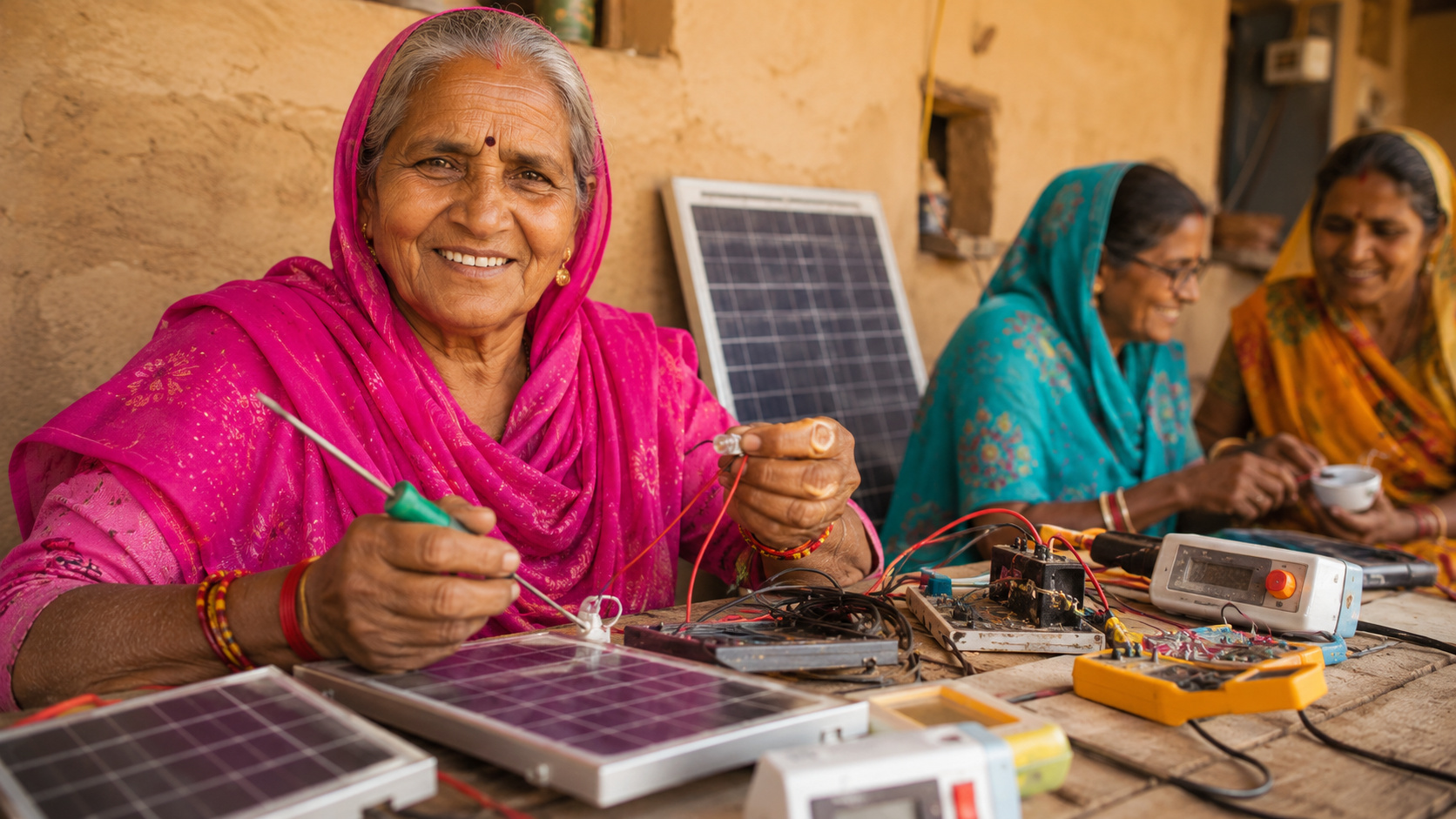
Illiterate or semi-literate grandmothers were trained to repair solar systems, open rural workshops, and light up homes that still depended on kerosene.

The system was designed to function even in isolated regions. The structure includes lithium batteries that keep production active all the time, in addition to a private artesian well that ensures water supply.
This setup allows ice to always be available, preventing interruptions and improving the preservation of fish.
End of losses and more financial security for fishermen
The lack of ice was one of the biggest challenges of local fishing. The long transport caused the product to melt, leading to frequent losses and a decline in fish quality.
Now, ice is purchased only after the catch. This reduces risks and improves activity control. The change allows fishermen to work with more security and predictability.
Fisherman Nelson Brito reports that the new structure has brought more autonomy, as the investment in ice occurs at the right moment, without waste.
Investment of R$ 1.5 million boosts sustainable project in the region
The implementation of the factory involved an investment of R$ 1.5 million through the Priority Bioeconomy Program. Companies like Positivo and UCB Power participated in the initiative.
The coordination was with the Amazônia Sustentável Foundation, an organization that promotes sustainable development in the Amazon, in partnership with Idesam.
The Amazônia Sustentável Foundation, an organization that promotes sustainable development in the Amazon, highlighted that projects of this kind strengthen the local economy and create new opportunities for isolated communities.
Solar energy reduces environmental impact and operational costs
The use of solar energy eliminates dependence on fossil fuels, reducing expenses and environmental impacts.

Local production also decreases the number of boat trips, which helps reduce the carbon footprint of fishing activities.
This change makes the production chain more efficient and sustainable, benefiting both workers and the environment.
Community takes management and expands economic opportunities
The community itself is responsible for managing the factory, which strengthens autonomy and local development.
In addition to fishing, the structure also supports family farming and tourism, expanding income generation possibilities.
The experience shows that access to energy can transform realities. There are about 1 million people in the Amazon who still face difficulties with stable energy, reinforcing the importance of initiatives like this.
Sustainable model can inspire other regions of the Amazon
The success of the solar ice factory paves the way for expansion in other communities. The combination of simple technology with local management creates an efficient and replicable model.
The information was released by Amazônia Sustentável Foundation, an organization that promotes sustainable development in the Amazon.
The example shows that solutions adapted to the local reality can have a direct impact on the income and quality of life of those who depend on nature.
The solar ice factory in Amazonas proves that innovation and sustainability can go hand in hand and bring real results.
Do you think this type of solution should be taken to other regions of Brazil where basic resources are still lacking? What do you think would be the biggest challenge for this to happen? Leave your comment and participate in this discussion.





My name is Sonny Tawjoeram. I am project consultant for Solar Hybrid Battery Power Solution. I live in Santo Andre, Sao Paulo. I would like to join a group in Brazil to discuss the Solar Hybrid Battery Project Solutions in Amazon region. I have developed and implemented s number of Solar Hybrid Battery Solutions in Africa including All Business Cases and Smart Remote Monitoring. My email address is: s.e.tawjoeram@gmail.com. Looking forward to receiving your kind reply. Thank you. Kind regards, Sonny Tawjoeram
Thanks for reaching out, Sonny! It’s great to see professionals in the solar hybrid space engaging with our content from right here in São Paulo. Brazil’s solar potential is enormous, and solutions like battery-hybrid systems are exactly what remote communities in the Amazon need. Keep an eye on our energy coverage — we’re publishing daily updates on renewable projects across the country.