






 Portuguese
  Spanish


With an investment of 1 million pounds, the United Kingdom wants to reintroduce the golden eagle in England. Learn how the project plans the return of the species by 2027.
The UK government has announced a significant investment of 1 million pounds (approximately 6.7 million reais) to enable the definitive return of the golden eagle (Aquila chrysaetos) to the skies of England.
The project is based on a technical study by Forestry England that proves the feasibility of bringing the species back after a hiatus of a century and a half.
The main strategy consists of releasing young birds, aged between six and eight weeks, scheduled to begin in 2027.
-
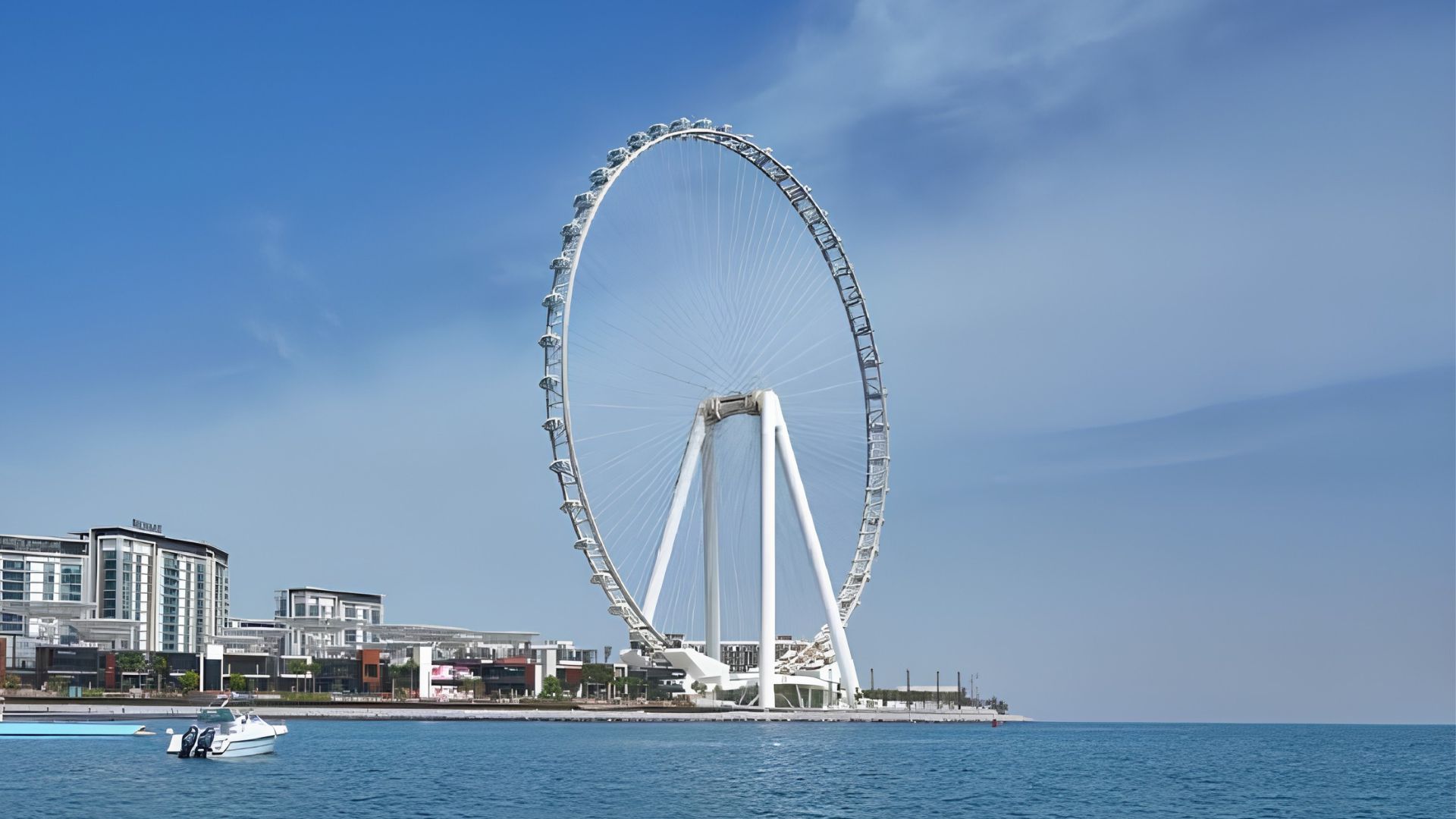
World’s Tallest Ferris Wheel Opens in Dubai, Offering Thrilling Heights Over the Persian Gulf

-
Northern Lights May Be Visible in 19 U.S. States Tonight as Solar Ejection Approaches Earth, Potentially Triggering Geomagnetic Storm

-
Energy-Efficient Upgrade: Brazilian Utility Offers Discounts to Replace Old Fridges and Bulbs with New Models in Paraná Homes
-
World’s Fastest Tractor, the JCB Fastrac Two, Hits Nearly 247.5 km/h with Over 1,000 Horsepower




The goal is to restore environmental balance in selected areas, especially in the north of the country, where the habitat is considered ideal for the survival of these predators.
Planning and release areas for 2027
The research supporting the investment identified eight strategic regions, called “recovery zones,” to receive the golden eagle.
Most of these locations are situated in the northern region of England, serving as a natural corridor for birds that have already begun to cross the border from Scotland.
Although sightings of isolated individuals may occur within a decade, experts warn that the formation of stable breeding colonies will be a gradual and long-term process.
Unlike past attempts, the current plan includes satellite tracking technology.
This tool has already shown that the success of reintroduction in southern Scotland is driving migratory movement into English territory, which increases optimism among environmental authorities.
The impact of the golden eagle in England and environmental balance
The return of this bird, which is the second largest bird of prey in Great Britain, holds not only symbolic value but also a vital ecological function.
As they occupy the top of the food chain, these animals act as natural regulators of the ecosystem.
Here are some key points about the species and the project:
- Imposing size: The bird has a wingspan of up to two meters.
- Literary history: Its cultural significance is such that it has been mentioned over 40 times by William Shakespeare.
- Local extinction: The last representative of the species in English territory died in 2016, in the Lake District.
- Project goals: To reestablish a self-sustaining population after 150 years of absence.
Challenges and mediation with farmers
Despite environmental enthusiasm, the return of the golden eagle generates debates. Sheep farmers, according to reports published by The Telegraph, fear that the presence of a predator of this size could threaten the integrity of their flocks.
To resolve the impasse, the initiative coordinators focus on partnerships and constant dialogue with the communities living in the uplands.

“Our priority will be to listen, work in partnership, and ensure that the recovery of golden eagles benefits both nature and the people working in these areas, so that everyone can once again enjoy the thrill of seeing golden eagles soaring high over the uplands of the United Kingdom,” explained Cat Barlow, executive director of Restoring Upland Nature.
A historical rescue of the Victorian era
The need for this financial contribution of 1 million pounds is due to the extermination suffered by the species during the Victorian era. During that period, human persecution was relentless, removing the bird from regions where it was once widely distributed.
The official government statement emphasizes that the project is a form of reparation for local biodiversity. Therefore, the success of the initiative in 2027 will depend on both the biological adaptation of the birds and social acceptance.
With rigorous monitoring and investment in preservation areas, the expectation is that the golden eagle will no longer be just a historical memory and will return to being a majestic presence in the landscape of England.
Source: Revista Galileu


