






 Portuguese
  Spanish
  3 min of reading



Absolar Claims That The Solution To Alleviate The Water Crisis Hitting Hydroelectric Plants Is The Advancement In Own Solar Energy Generation
According to data from Absolar, the advancement in own energy generation through solar power plants, which will be enabled by the PL 5.829/2019, promises to ease the water crisis and also strengthen the security of Brazil’s electrical supply.
Read Other News From The Sector
Data From Absolar Indicates Solar Energy As A Solution To The Brazilian Water Crisis
During peak hours, between 11 AM and 6 PM, the generation of solar energy on rooftops and small land power plants has been a widely used tool for reducing electricity demand in the country.
The risk of worsening the water crisis led the Federal Government to activate all available fossil thermoelectric plants in Brazil, but unfortunately, they are more expensive, more polluting, and have further increased the electricity bills for many Brazilians.
-
Brazilian scientists are simultaneously advancing two research projects on clean hydrogen and driving solutions that could transform the energy matrix, enhance industrial competitiveness, and accelerate large-scale emission reduction targets.

-
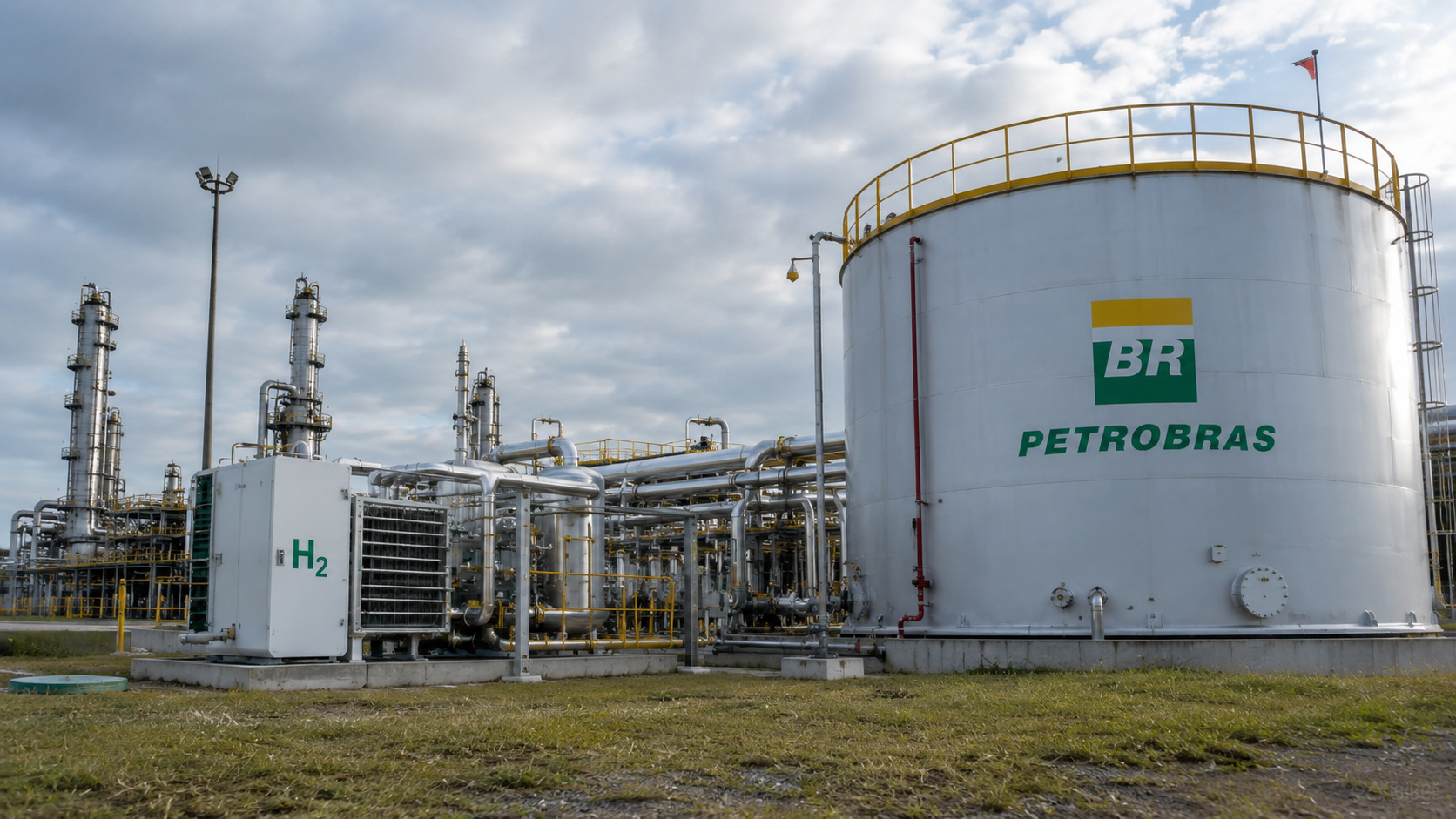
Advancement in renewable energy: A R$ 150 million project launched by Petrobras and Finep aims to create state-of-the-art electrolyzers for green hydrogen, strengthening national research and preparing Brazil to compete in a billion-dollar energy market.
-
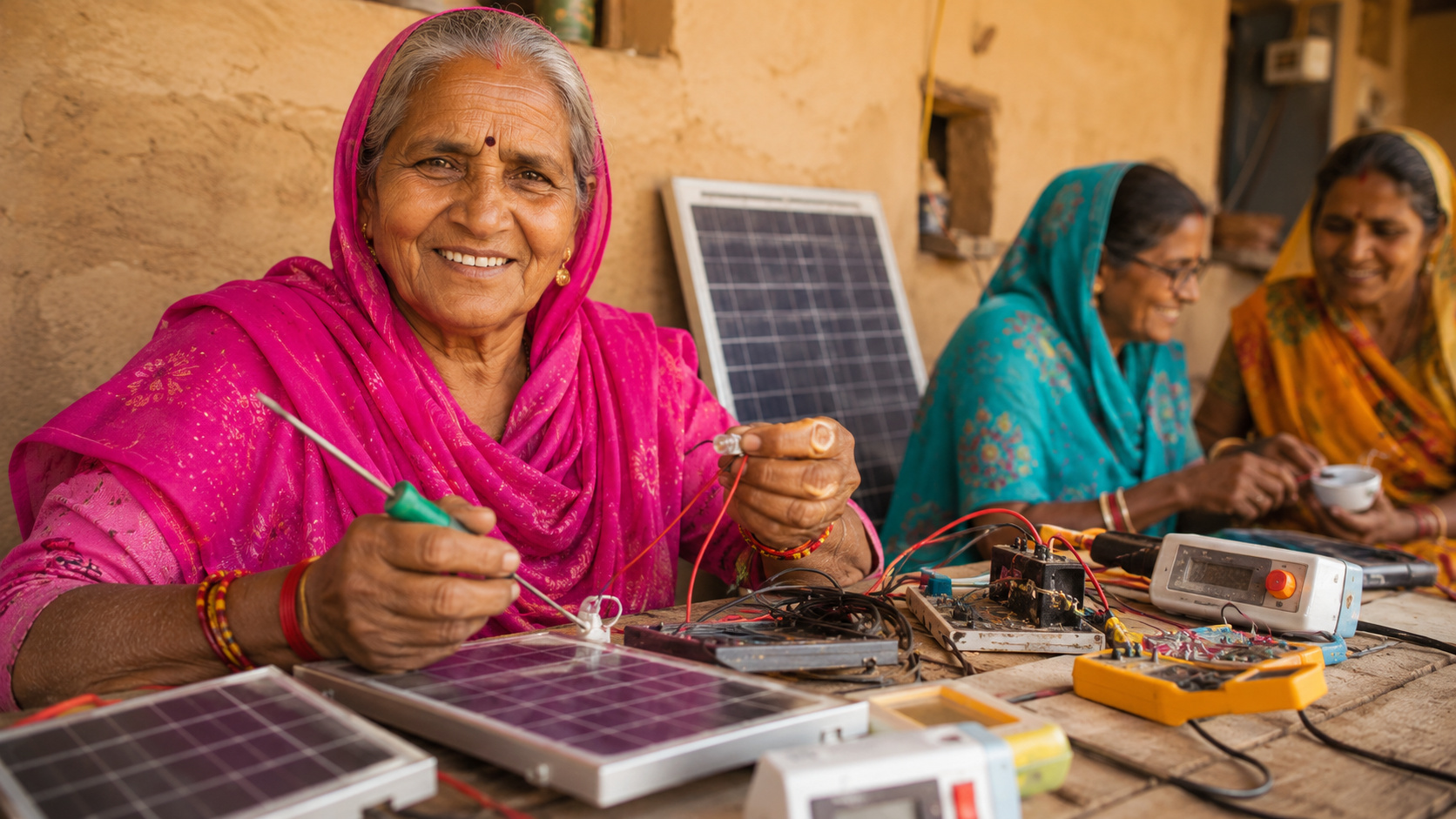
Illiterate or semi-literate grandmothers were trained to repair solar systems, open rural workshops, and light up homes that still depended on kerosene.
-
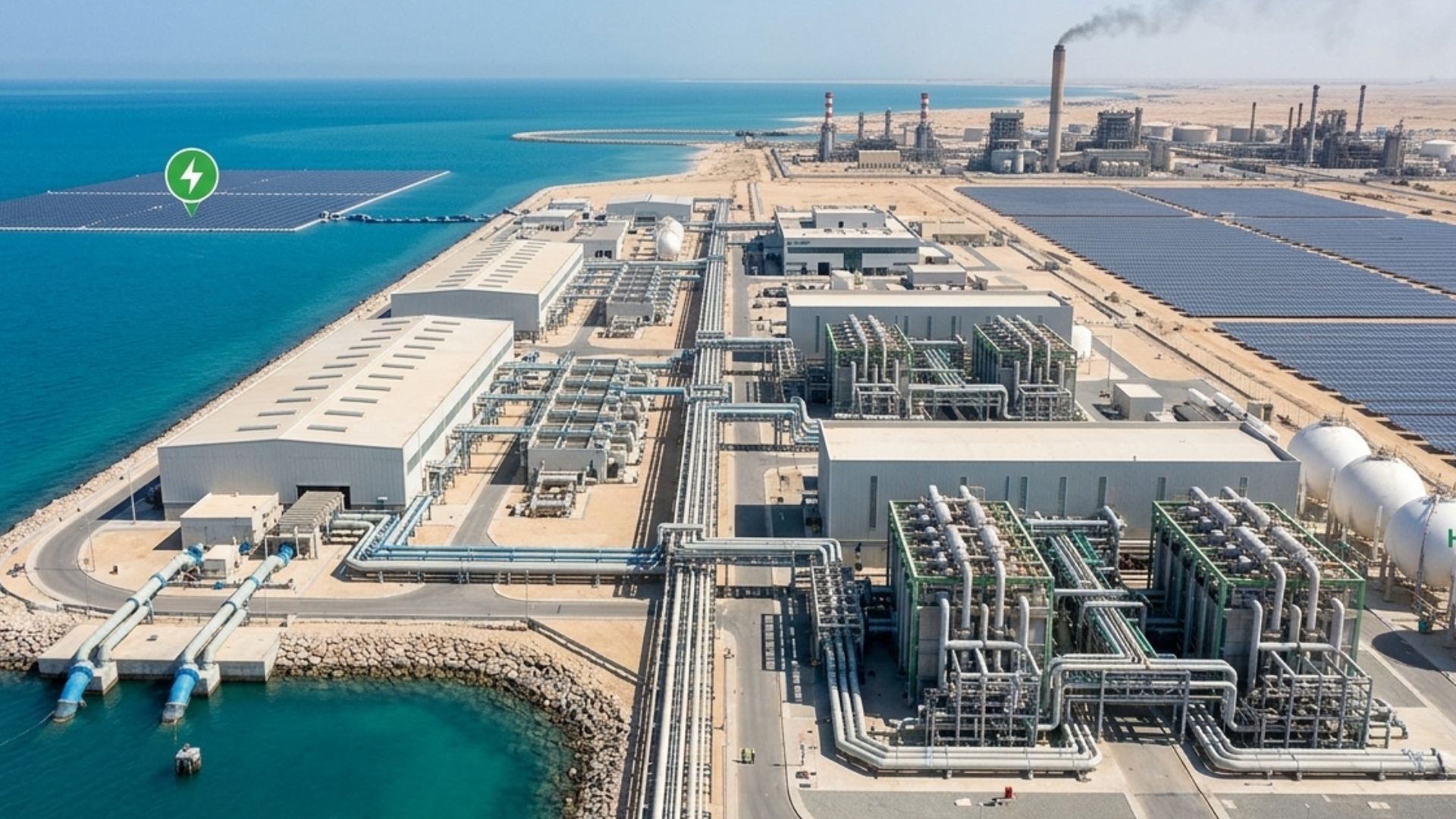
The world has bet on green hydrogen as the fuel of the future, but now faces the side effect: producing 1 kilogram requires about 9 liters of ultrapure water, and the largest projects on the planet are precisely in the driest regions of the Earth, where water is already scarce for people.


As a result, Brazil became more dependent on neighboring countries, as it began to import energy not only from Paraguay but also from Uruguay and Argentina, paying more for energy generated outside the country.
Words From The CEO Of Absolar Highlight The Importance Of Renewable Energy
According to Rodrigo Sauaia, the executive president of Absolar, the solar energy generated by consumers, at 5.8 GW, already represents one third of the Itaipu power plant’s capacity and provides affordable and clean electricity, especially during peak demand times, alleviating the water crisis.
According to him, half of the own solar energy generation was installed in 2020, with investments coming directly from consumers and society, meaning it was independent of the Government.
This demonstrates the resilience and agility of this modality, which is helping Brazil in the water crisis. The CEO of Absolar states that, due to solar energy being generated close to consumption, it does not use transmission lines, reducing electrical losses. Solar energy also provides clean energy with no pollutant emissions.
Understand The Water Crisis Currently Present In Brazil
Brazil is currently facing the worst drought in the last 91 years, leaving the Southeast/Central-West subsystem with about 32% of its capacity. To give you an idea, the average for the last 20 years was 64%, double the current average.
At the beginning of the month, the National Water Agency (ANA) declared a critical water scarcity situation in the Paraná region. The declaration of a water crisis at the power plants is in effect until November 30, when the rainy season begins in the region. The sector that suffered the most from the water crisis was the electricity sector, as the Paraná basin includes the main hydroelectric plants in the region.







Be the first to react!