





 Portuguese
  English
  Spanish
  3 min of reading


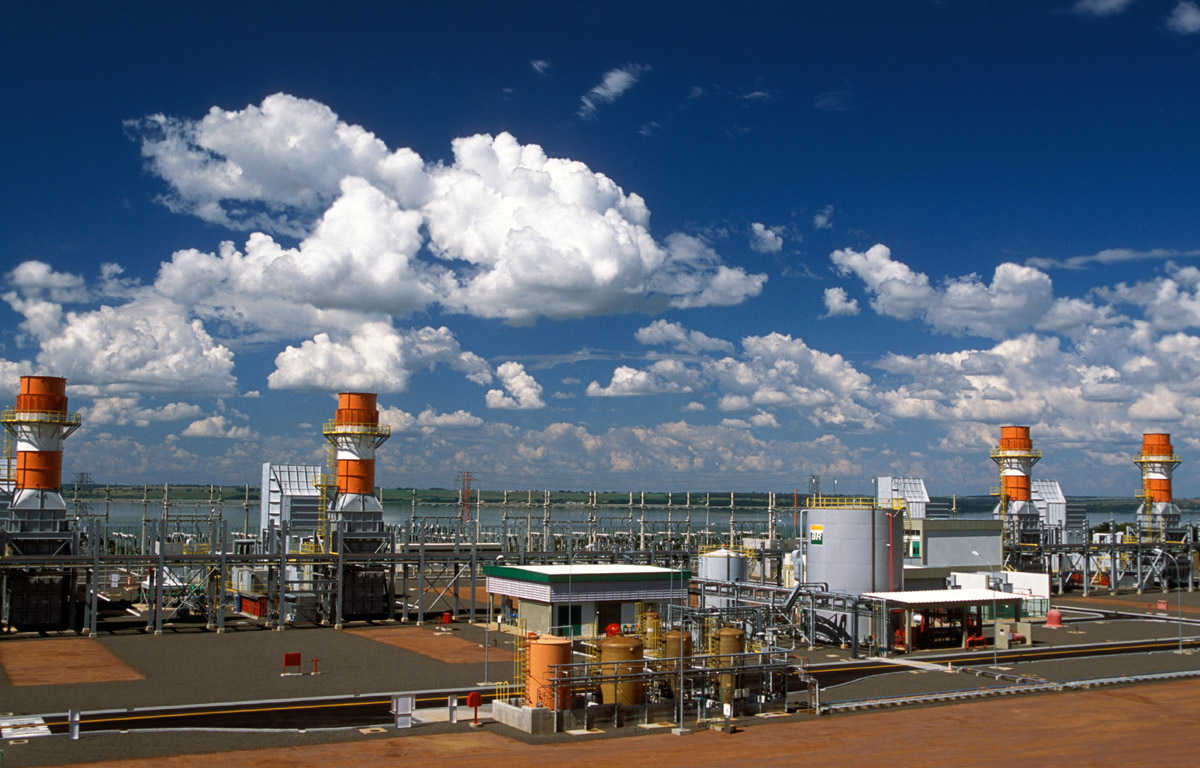
A Federal Government Measure, of Exceptional and Temporary Nature, Authorizes the Activation of Thermoelectric Plants Without Contracts
The government published, yesterday, a measure that authorizes, on an exceptional and temporary basis, differentiated regulatory conditions to allow the activation of thermoelectric plants without contracts for a period of up to six months, which may still be extended. The initiative, announced by the MME in the Official Gazette, comes amid a historic drought that has pressured the levels of reservoirs in hydroelectric plants, the main source of generation in the country, raising concerns about energy supply. See also: For R$ 95 million, Petrobras sells 3 thermoelectric plants in Camaçari, Bahia
- VLI Logística Opens Job Vacancies for Electricians, Machinists, Mechanics, Welders, and More Opportunities, on This Day 7
- Solar Energy – Cemig SIM Will Receive Investments of R$ 1 Billion by 2025
- Brazilian Fintech Stone Offers 386 Job Vacancies for Various Brazilian States
- Electronic Payment Company Invests 25 Million for Construction of Solar Energy Plant for Bitcoin Mining
- INPE Opens Various Vacancies in Free, Online, and EAD Courses on Astronomy and Astrophysics
Government Authorization Regarding Thermoelectric Plants
The authorization, which had already been signaled given the conditions of the hydroelectric plants but would focus only on gas units, has been formalized by the Government so that the support from the thermal sector for the water crisis becomes broader, calling upon thermoelectric plants from other sources and more expensive ones.
The measure, released today in the Official Gazette, will allow thermoelectric plants without active contracts for the sale of their production to include fixed costs in the revenue they are entitled to receive when called to operate, known as the Variable Unit Cost (CVU). The activation of the plants under these conditions may occur for up to six months, continuously, according to the ministry’s measure, which provides for a possible extension of the deadline.
-
The first large-scale ethanol-powered thermoelectric plant is born in Pernambuco, surprising the energy sector and potentially opening a new phase for biofuels in Brazil.

-
Acelen advances with megabiorefinery in Bahia with a R$ 503 million investment released by BNDES and boosts the production of sustainable fuels with advanced technology capable of transforming vegetable oil and waste into green diesel and low-emission aviation fuel.

-
Petrobras announces RNEST’s historic milestone in April after the refinery reached record diesel production and strengthened the national fuel supply.
-
Petrobras Expands Refining in Brazil, Increases Production of Diesel S-10 and Gasoline, Enhances Operational Efficiency, and Reduces Import Dependence Between 2023 and 2025
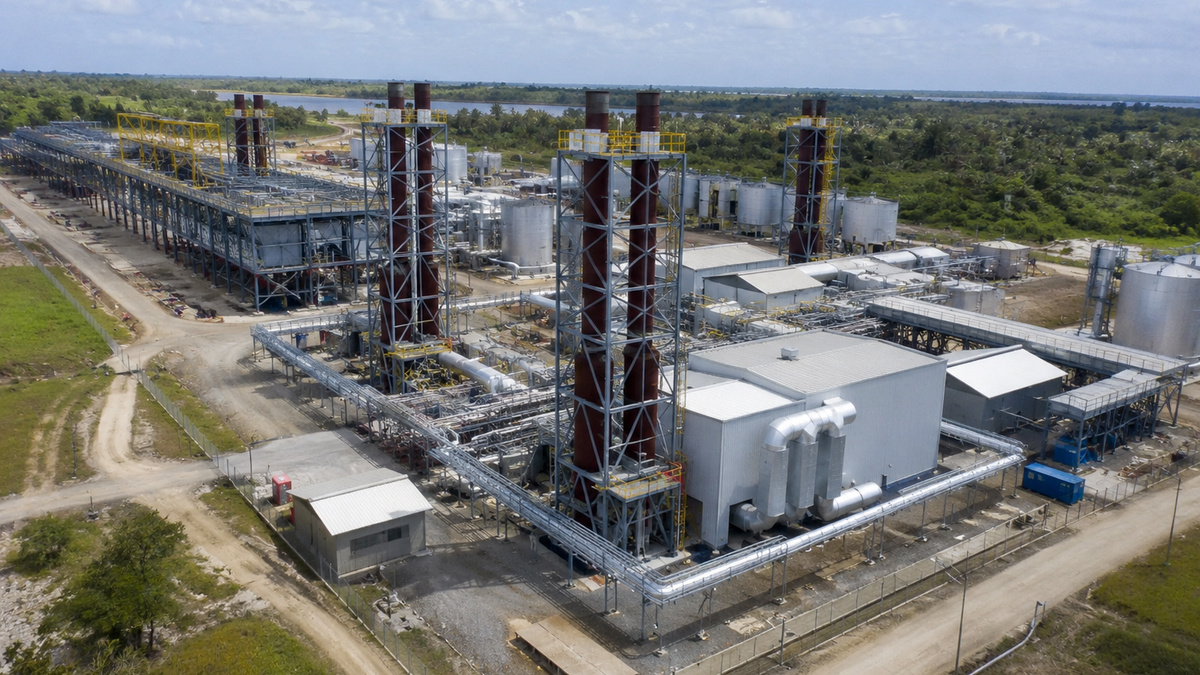

These thermoelectric plants may still be activated, even if the computational programs used to guide the operation of the electrical system do not indicate their necessity, which is known in the sector as dispatching out of merit order.
Government Measure Anticipates Possible Water Crisis in Brazil
The electrical system in Brazil has been pressured by the worst rains recorded in the area of hydroelectric plants since 1930, when records began. The situation has required the activation of thermoelectric plants to meet demand since last October, which pressures tariffs due to higher costs.
Nonetheless, the Government has indicated that additional measures will be necessary to ensure energy supply. The Electric Sector Monitoring Committee (CMSE), led by the Minister of Mines and Energy, and also composed of technicians, has argued in recent weeks that a relaxation in the operational conditions of some hydroelectric plants will allow them to meet demand in 2021 despite the challenging scenario.
See Also: 60% of Natural Gas in Brazil Returns to Offshore Fields Due to Lack of Infrastructure and Thermoelectric Plants Pay in Dollars for the Input
Brazil has increased the import of natural gas, while the domestic gas, which could be utilized in the country, is re-injected back to offshore fields offshore due to the lack of infrastructure to transport it to the plants. This increases the cost of the input and, consequently, is reflected in the electricity bill and in the pockets of Brazilians, as the country is undergoing a drought period in the reservoirs of hydroelectric plants. The impending water crisis, caused by low rainfall, “forces” the country to activate thermoelectric plants (which pay more for imported gas), further increasing the cost of electricity bills.
In 2021 alone, Brazil’s external purchases of natural gas reached the highest level since 2016 for the months from January to April. In just four months, the country paid US$ 1 billion, almost the total spent in the entire previous year and double the amount spent in the same period last year.







Be the first to react!