Portuguese
  Spanish


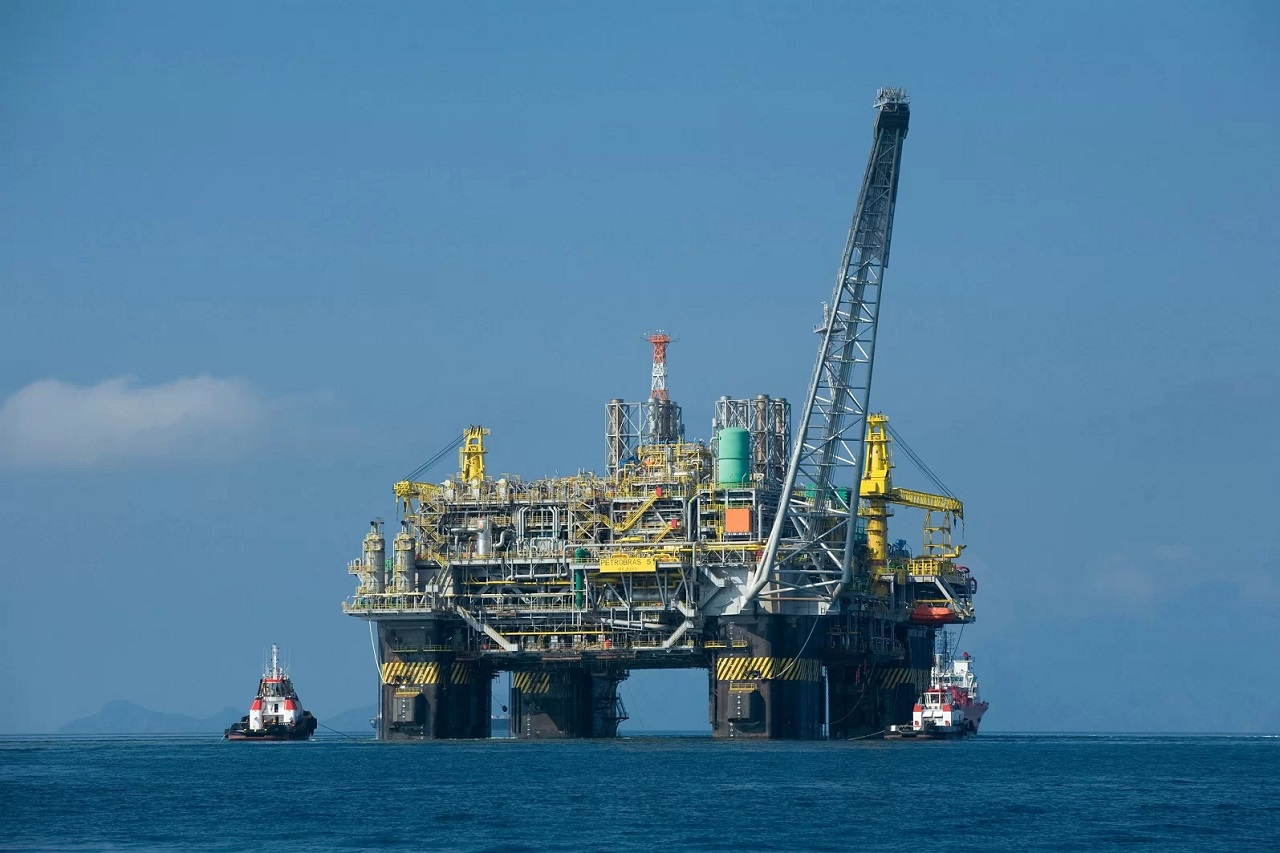

Saudi Arabia’s Crown Prince Mohammed bin Salman Claimed in Interviews That He Will Not Increase Production to Meet Higher Demand in Europe Again.
As the world’s largest oil exporter, Saudi Arabia holds this title with distinction and is at its limit, stating that it cannot increase its oil production. The announcement was conveyed through Saudi Crown Prince Mohammed bin Salman. With this, the prince puts pressure on gasoline prices, which saw a relative increase globally following Russia’s invasion of Ukraine. Saudi Arabia counts European countries among its largest oil importing clients, and they have demanded more of this raw material.
Saudi Arabia Will Maintain Stable Oil Production and Criticizes the Renewable Energy Sector
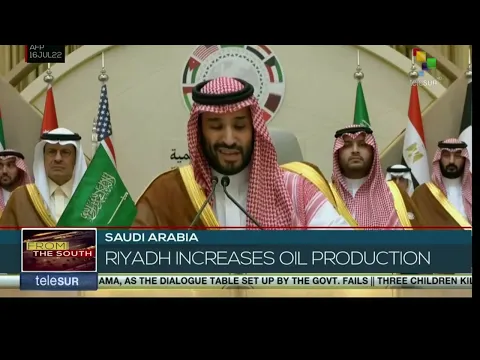

With high oil demand, production in Saudi Arabia, the largest oil exporter, will remain stable. The forecast is that fossil fuel prices, such as diesel and gasoline, will remain high.
This event is global, considering that oil has an international price. Previously, Saudi Arabia, the largest oil exporter, intended to increase daily extraction to 13 million barrels by 2027, but the prince’s new statements have completely disregarded that estimate.
-
Brazil’s ANP Opens 86 New Oil Blocks in the Equatorial Margin, Expanding the Amazon River Mouth Frontier

-
OPEC+ Boosts Oil Supply by 188,000 Barrels per Day in July 2026, Leading to Price Drop from $112 to $89 per Barrel in Under Two Months

-
TotalEnergies Signs 20-Year Deal to Purchase 2 Million Tons of LNG from Alaska, Boosting Project Viability
-
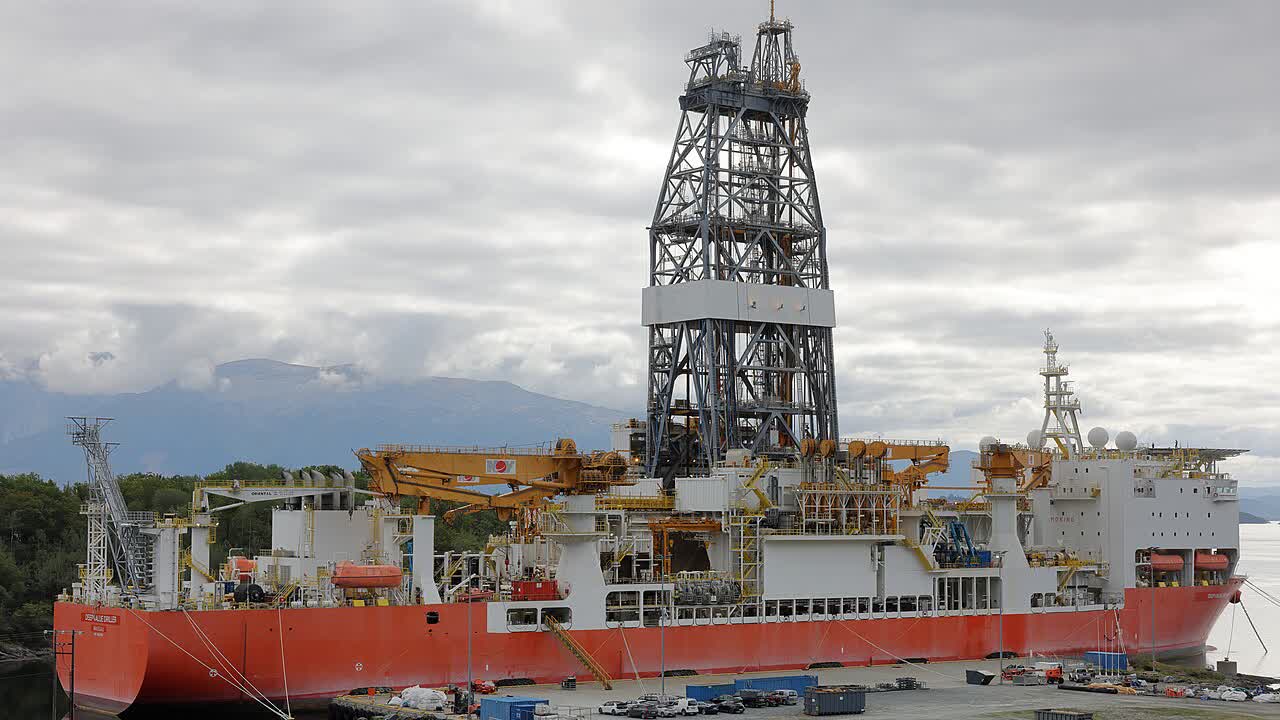
Turkey Deploys Çağrı Bey Drilling Ship to Explore New Oil Frontier Off Somalia’s Coast
The prince also took the opportunity to criticize renewable energies, which have been rapidly gaining traction in Europe. According to the monarch, investments in this sector will generate social and economic impacts.
Gasoline Prices May Decrease in the Medium Term
In some countries, oil production may see an increase. Canada and the U.S. are examples that have already announced investments in expanding oil extraction. On the other hand, the forecast is that the supply of this raw material will only meet demand starting in 2023.
According to the International Energy Agency – IEA, secondary economic measures may also positively influence this forecast regarding diesel and gasoline prices over the following months. For instance, the economic recovery in China and increased supply of renewable sources in Europe.
Saudi Arabia Achieves Target as Largest Oil Exporter
This year, Saudi Arabia maintained its ranking as the world’s largest oil exporter, with exports in February rising to 7.307 million barrels per day, the highest record since April 2020.
The high oil export reached 4.4% in February, having previously reached 7 million barrels per day a month earlier. The monthly production of the world’s largest oil exporter reached its highest mark in nearly two years at 10.225 million bpd, compared to 10.145 million bpd in January.
The production of Saudi Arabia’s oil refineries fell by 0.271 million bpd to 2.506 million bpd in February, while direct oil burning decreased from 111,000 bpd to 291,000 bpd.
In the global ranking of oil production, Saudi Arabia leads, collecting around US$ 400 billion. Compared to last year, this amount represents an increase of nearly US$ 250 billion.