






 Portuguese
  Spanish


Instead of releasing carbon-laden smoke from steel production into the atmosphere, the plant started feeding microbes with this gas, which ferment the carbon into fuel alcohol as if it were an industrial brewery
A factory that transforms blast furnace gas into ethanol has started operating within a steel mill in Belgium, and the process seems like fiction. Instead of letting carbon-laden smoke escape through the chimney, ArcelorMittal captures it and delivers it to microbes that feed on this gas and ferment it, turning it into fuel alcohol in a 200 million euro plant.
How can a bacterium drink polluting gas and return fuel? Because there are microbes that do not need sugar to live, but rather gases like carbon monoxide. Fed with the steel mill gas, they do the same as yeast in a brewery, only consuming pollution instead of sugar and producing ethanol instead of beverage.
How a bacterium drinks blast furnace gas and makes alcohol
The technology turns fermentation as the world knows it upside down. According to We Mean Business, the process uses gases and bacteria to make alcohol, instead of the sugar and yeast of traditional fermentations, with anaerobic microbes that feed on industrial exhaust emissions.
-
Lake Mead, a crucial water source for parts of the United States, faces critical conditions by 2026 with mandatory cuts, declining volume, and increased pressure on the Colorado River.

-
Scientists Race to Harness Vast Underground Energy for Clean Electricity

-
Brazilian City Launches Comprehensive Shelter with Pet Facilities and Support Programs to Aid Homeless Transition Off Streets

-
Czech Republic Innovates by Transforming Used Coffee Grounds into Sustainable Solutions for Waste Management


In practice, the gas becomes microbe food. According to ArcelorMittal, the plant ferments gases instead of sugars and uses a biocatalyst instead of yeast, and it was in May 2023 that the blast furnace gas began to be injected into the system, generating the first samples of ethanol. What used to come out of the chimney became raw material, and the steel mill started harvesting fuel from its own dirty air.
A 200 million euro factory inside the steel mill
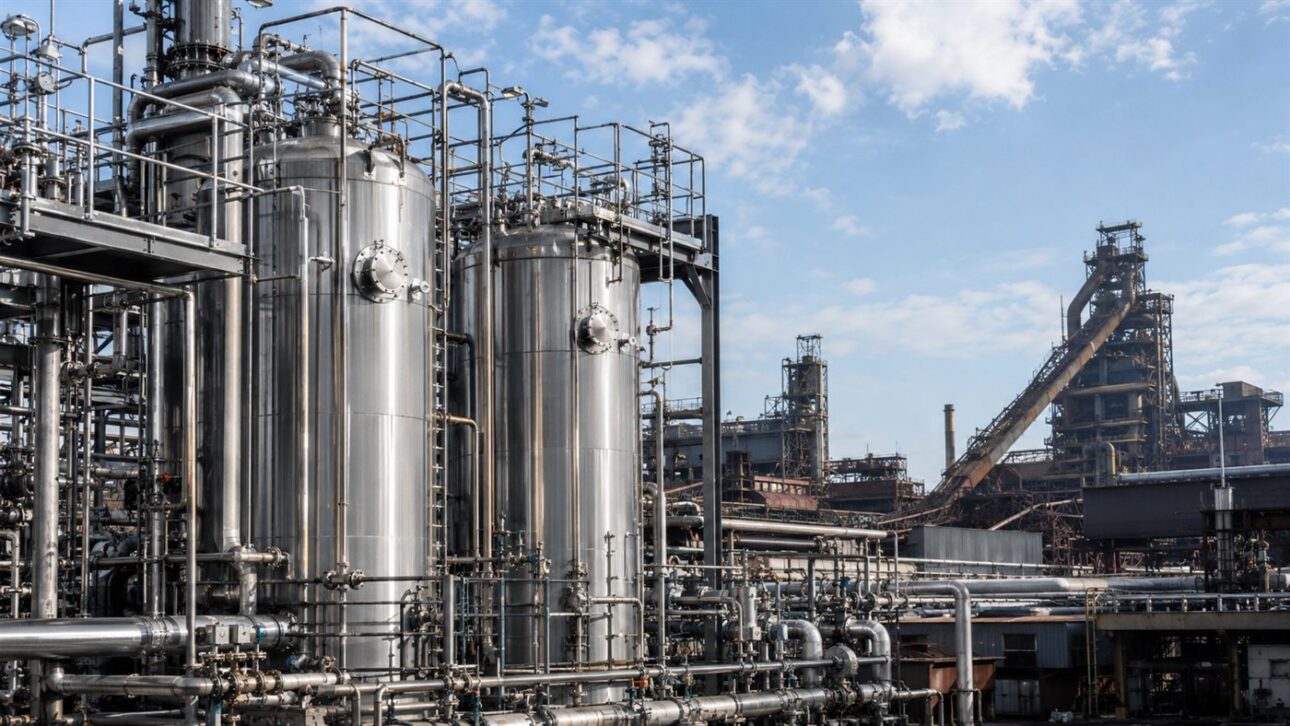
The size of the investment shows that it is not a small experiment. According to ArcelorMittal, the plant, named Steelanol and installed in Ghent, cost 200 million euros and is the first of its kind in European steelmaking, a milestone for an industry accustomed to being synonymous with pollution.
And the production is truly on an industrial scale. According to ArcelorMittal, the factory has the capacity to produce 80 million liters of advanced ethanol per year, equivalent to about half of Belgium’s entire ethanol demand. A single steel plant has started supplying half the country with alcohol made from its own smoke, after commercial production was announced in June 2023.
The 125,000 tons of CO2 that stop rising
The environmental account is the heart of the project. According to ArcelorMittal, the Steelanol plant prevents the emission of about 125,000 tons of carbon dioxide per year by diverting the carbon that would go straight to the atmosphere into ethanol.
This is the leap of the circular economy. Instead of treating the gas as waste to be released, the steelmaker starts to see it as a resource, a source of carbon that can become a sellable product. The same gas that was the climate villain becomes a factory input, and carbon capture stops being a cost to become a business.
From fuel to plastic, what ethanol becomes
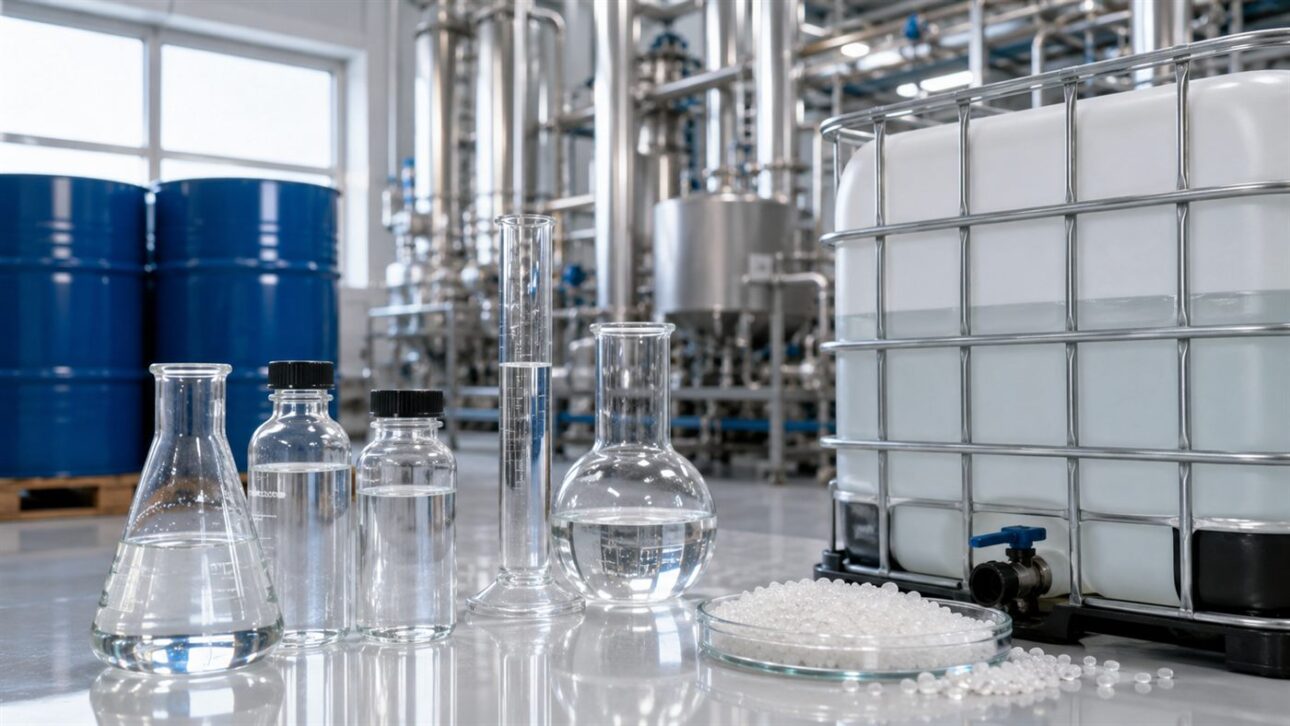
The alcohol that comes from fermentation is just the beginning of the chain. According to We Mean Business, this ethanol can be mixed with gasoline to fuel cars, turned into aviation fuel with the potential to cut more than 70% of emissions, and even become ethylene and polyethylene, the plastic used in packaging.
The list of destinations is what gives strength to the model. According to We Mean Business, the same ethanol serves as a base for synthetic fibers, which means that the carbon captured from a steel plant can end up in a bottle, a sneaker, or an airplane tank. A single polluting gas becomes an entire shelf of products, and it is this versatility that makes carbon capture economically interesting.
If it operated worldwide, it would cut 7% of global CO2
The potential of the technology goes far beyond a factory in Belgium. According to We Mean Business, if this approach of fermenting exhaust gases were applied on a global scale, it could prevent the emission of about 7% of all CO2 released on the planet each year.
It is a number that gives the dimension of what is at stake. Seven percent of global emissions is a huge slice, comparable to what entire sectors dump into the atmosphere. No single solution solves the climate, but turning pollution into a product tackles the problem at its source, within the very chimney where carbon is born.
Who is behind the technology at the factory
The biological engineering is not from the steel company, but from a specialized partner. According to ArcelorMittal, the carbon capture and use technology is from the company LanzaTech, which teamed up with suppliers like Primetals Technologies and E4tech to set up the plant, with support from the governments of Belgium, the European Union, and the European Investment Bank.
From the developer’s side, the bet is clear. Freya Burton, sustainability director at LanzaTech, argues that recycling carbon with biology can transform heavy industries into clean product factories. It is the promise of making the chimney work in favor of the climate, turning each steel mill into a potential sustainable fuel factory.
Why the steel industry needs this turnaround
Steel is one of the pillars of civilization and, at the same time, one of the largest carbon emitters on the planet, difficult to clean because it depends on high temperatures and chemical reactions that release a lot of gas. Each ton of steel carries a heavy backpack of emissions, and replacing the entire process with a clean one would take decades.
That’s why capturing the gas and turning it into a product is so attractive in the short term. It doesn’t require throwing away existing blast furnaces, but rather attaching a step that takes advantage of what was previously discarded. While fully green steel is not yet available, reusing the gas itself is a concrete bridge, and the Belgian factory is proof that this bridge is already standing.
What this turnaround represents
Turning the smoke from a steel mill into millions of liters of fuel with the help of bacteria is the kind of solution that seemed impossible and now truly produces, with counted liters and tons of CO2 diverted. It is still a drop in the face of the size of the steel industry, but it shows a path where pollution is no longer just a problem and also becomes raw material.
And you, do you think reusing polluting gas to make fuel is the most realistic way to clean up the heavy industry, or is it just delaying the switch to truly clean processes? Share your thoughts in the comments.


