Portuguese
  Spanish


The company that popularized the spit ancestry test went bankrupt, and the greatest treasure it had to sell was not machines or buildings, but the genetic code of millions of customers
The genetic data of 15 million people overnight became a bankruptcy commodity. The American company 23andMe, which popularized the home ancestry test where the customer spits into a tube and receives a map of their own origin, filed for bankruptcy protection in 2025, and the most valuable item in its inventory became the gigantic DNA bank it accumulated.
How does the genetic code of millions of customers become an asset for sale? Because, in the bankruptcy process, everything the company owns can be negotiated to pay creditors, and the genetic database was by far the most coveted asset. Suddenly, millions of people discovered that their own DNA was, in practice, on the counter.
How the DNA of 15 million became a bankruptcy asset
The bankruptcy was formal and swift. According to the HIPAA Journal, 23andMe filed for bankruptcy protection in March 2025, listing assets of about 277 million dollars against debts of about 215 million.
-
Firefly Aerospace Becomes First Private Company to Successfully Land Lunar Module Upright on the Moon

-
Sony Announces Major Shift: Physical Disc Games for PlayStation to End by 2028, PS3 and PS Vita Stores to Gradually Close

-
Brazil Conducts First Long-Distance Robotic Cancer Surgery via Public Health System, Spanning 2,700 km with Advanced Tech

-
Brazilian Farmer Ingeniously Builds Electric Mini Tractor, Home Wind Turbine, and Biogas System Using Scrap Parts and Solar Power


The detail that shocked the world was what was on the balance sheet. According to the HIPAA Journal, the company held the data of about 15 million customers, and this genetic bank was the main asset to be sold. Never before had the DNA of so many people been placed, all at once, as the central piece of a bankruptcy, and that’s when privacy became the center of the debate.
The auction where the founder paid more than a pharmaceutical company
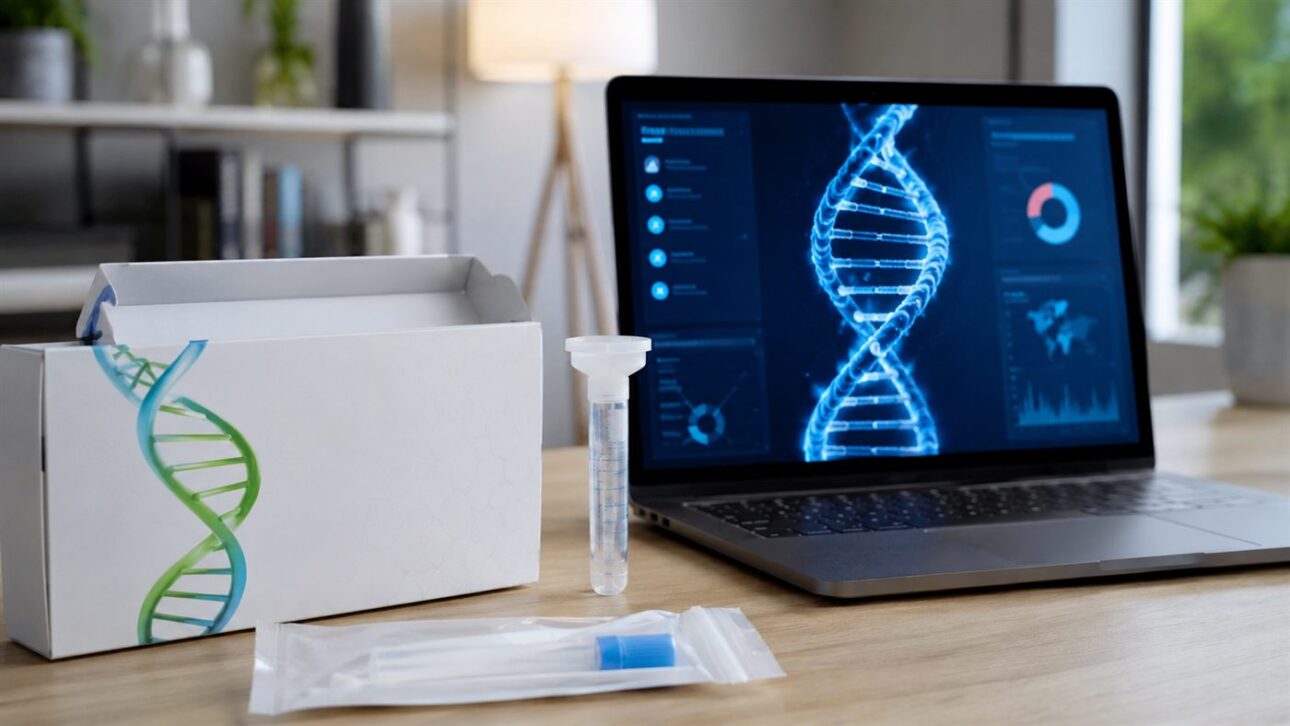
The dispute for the genetic treasure was fierce. According to the HIPAA Journal, the pharmaceutical company Regeneron won the first auction with a bid of 256 million dollars, interested in the scientific and commercial value of that mountain of genetic data.
But the outcome had a twist. According to Fox Business, the process was reopened and the nonprofit TTAM Research Institute presented a higher bid of 305 million dollars, surpassing Regeneron and acquiring the company. The fight for 15 million DNA profiles was decided by a difference of almost 50 million dollars.
Anne Wojcicki regains control through the back door
The person behind the winning bid was not a stranger. According to Fox Business, the TTAM Research Institute was created by the co-founder and former CEO of 23andMe, Anne Wojcicki, precisely to reacquire the company she had helped to found and then saw go bankrupt.
The move is curious and revealing. The same person who led 23andMe to bankruptcy returned to command through a nonprofit organization, now promising to treat the data as a public good. Losing the company and buying it back cheaply in bankruptcy is a maneuver that only the original owner usually manages to pull off, and Wojcicki did exactly that.
The fear of those who spat in a tube, and what about my data?

The reaction of the customers was panic and distrust. According to the HIPAA Journal, California Attorney General Rob Bonta issued a warning reminding state residents that they have the right to request that 23andMe delete their data and destroy the stored saliva samples.
And many people rushed to protect themselves. According to the HIPAA Journal, about 2 million of the 15 million customers requested the deletion of their genetic data shortly after the bankruptcy announcement, fearing that the most intimate information that exists, the genetic code, would end up in the wrong hands. When it comes to DNA, data protection ceases to be abstract and becomes a problem for the entire family, since your genome also reveals that of your relatives.
The leak that had already shaken trust
The crisis of trust did not begin with the bankruptcy. According to the HIPAA Journal, in 2023, 23andMe suffered a leak that exposed data of about 7 million customers, in an attack where criminals used passwords stolen from other sites to invade accounts.
The consequences went beyond the scare. According to the HIPAA Journal, the episode affected more than 150,000 people in the United Kingdom alone and resulted in a fine of about 3 million dollars for the company in the country. It was already a company with a tarnished reputation in terms of data security when bankruptcy put the same database at the center of an auction.
The new owner’s privacy promises
To calm the situation, the new controller made a list of commitments. According to Fox Business, TTAM promised to maintain policies that allow customers to delete their accounts and genetic data, create a privacy advisory board, and refuse to sell or share information unless the buyer is an organization based in the United States.
There were also gestures of reparation. According to Fox Business, the institute offered two years of free identity theft monitoring to customers and committed to providing advance notice of any changes. These are promises that attempt to transform a toxic trust asset into a seal of responsibility, even though many users remain skeptical.
Why genetic data is so valuable
At its core, this entire dispute exists because genetic information is gold for science and the pharmaceutical industry. A bank with the DNA of 15 million people allows for the cross-referencing of genes with diseases, discovering targets for new drugs, and training health models, something a company like Regeneron knows how to turn into a product.
This value is precisely what is frightening. The same personal data that can accelerate the cure of diseases can, in the wrong hands, be used for discrimination in insurance, employment, or credit. The case of 23andMe revealed that by handing over saliva out of curiosity, millions of people also handed over data that lasts a lifetime and cannot be changed like a password.
What this story teaches
The saga of 23andMe is a warning about what happens to sensitive information when the company that holds it goes bankrupt. The ancestry test seemed like a cheap joke, but it revealed an uncomfortable truth: by handing over their own DNA, the customer loses control over where it goes if the company changes ownership. The technology is fascinating, and the risk is permanent.
And you, would you or have you already taken a DNA test out of curiosity, even knowing that this data could one day be sold along with the company? Share in the comments if you would trust your genetic code to one of these platforms.