






 Portuguese
  Spanish


The idea of stacking food in warehouses illuminated by LED was the darling of Silicon Valley, attracted giants like Walmart and SoftBank, and now is experiencing a wave of bankruptcies that exposed a simple problem: artificial light is expensive
Vertical farms were marketed as the future of food, capable of feeding entire cities inside warehouses, without soil, without rain, and with little water. The American company Plenty, one of the stars of the sector, became the symbol of the downturn: after raising nearly 1 billion dollars from investors like the Japanese SoftBank, Walmart, and Jeff Bezos, it filed for bankruptcy and saw its value plummet from 1.9 billion to less than 15 million dollars.
Why did such a praised idea fail so badly? Because replacing free sun and rain with LED lights and air conditioning running all the time costs a fortune in energy, and the lettuce that comes out of these buildings rarely manages to be cheap enough to cover this cost and still make a profit.
The promise that enchanted Silicon Valley
The proposal was seductive on paper. Planting on stacked shelves, inside a warehouse near the city, using much less water and not depending on the weather, promised year-round harvest and fresh food next to the consumer. This story of vertical farms attracted a mountain of money from technology funds.
-
Indian Inventor Develops Solar-Powered Machine Enabling Blind Farmers to Independently Manage Crops with Sensors and Audio Alerts

-
Brazilian Honey Supplying U.S. Supermarkets Faces Price Hike and Job Threats Amid New Tariff Round
-
Drought in France Threatens Beet Crops, Raising Fears of Sugar Price Surge Across Europe
-
French village switches from oil to giant miscanthus for heating, cutting annual costs from €20,000 to €4,300


And the names that got involved were significant. According to TechCrunch, Plenty alone raised about 1 billion dollars since 2014, with investors like SoftBank, the retail giant Walmart, and Bezos Expeditions, Jeff Bezos’ investment vehicle. When SoftBank and Bezos bet together, the entire market pays attention, and vertical farming became the new craze in the tech sector.
Plenty melted from 1.9 billion to less than 15 million
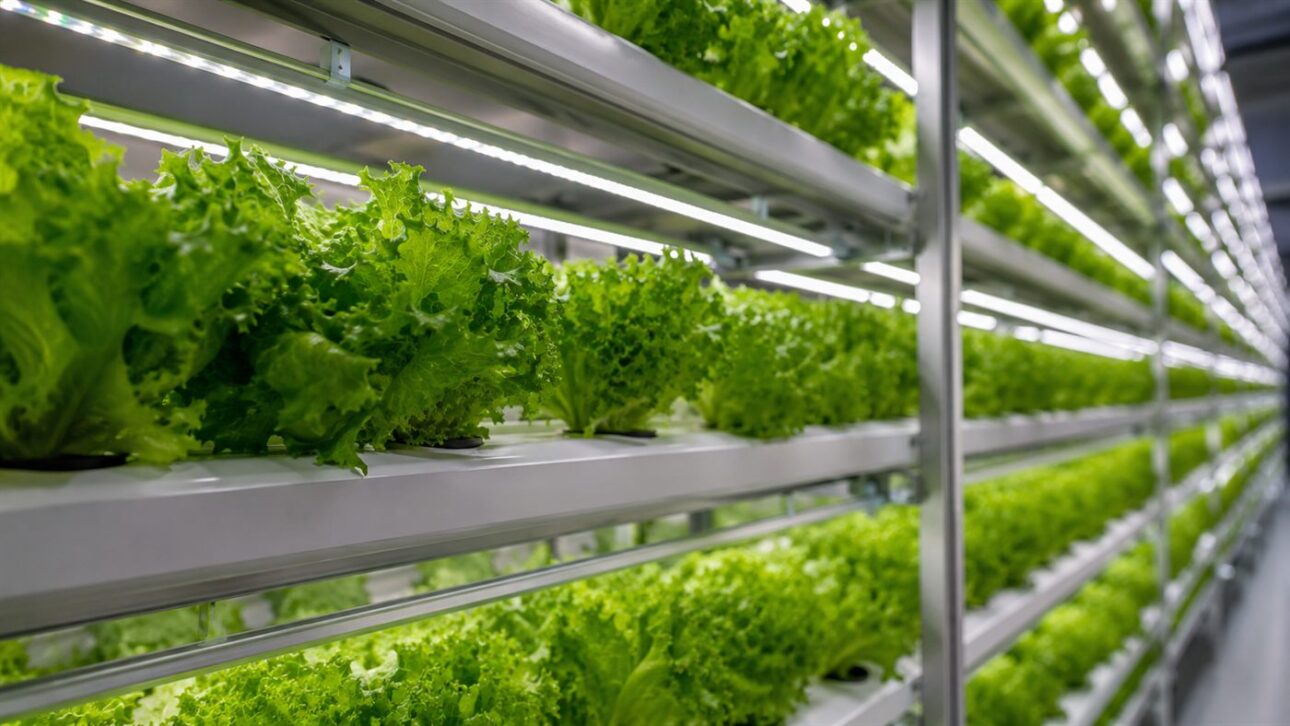
The fall was as dizzying as the rise. According to TechCrunch, Plenty filed for bankruptcy protection in March 2025, after being valued at 1.9 billion dollars in an investment round at the beginning of 2022.
The magnitude of the value destruction is impressive. According to The Conversation, Plenty’s value plummeted from 1.9 billion dollars to less than 15 million, a loss of more than 99% in just a few years. Practically all the investors’ money turned to dust, and the darling of vertical farming went from being an example to a warning.
It wasn’t just Plenty, it was a wave of bankruptcies
The fall wasn’t limited to one company. According to TechCrunch, New York’s Bowery Farming shut down operations at the end of 2024 after raising more than 700 million dollars and being valued at over 2 billion, while AeroFarms, which raised more than 300 million, also went bankrupt before restructuring.
The list of casualties is long. According to TechCrunch, AppHarvest went public in 2021 valued at 1 billion dollars, with over 700 million raised, and still filed for bankruptcy protection. According to The Conversation, companies like Kalera and the British Growing Underground also went under, in a domino effect that evaporated about 2 billion dollars in venture capital. An entire sector melted down almost simultaneously.
Why the numbers didn’t add up, artificial light was expensive
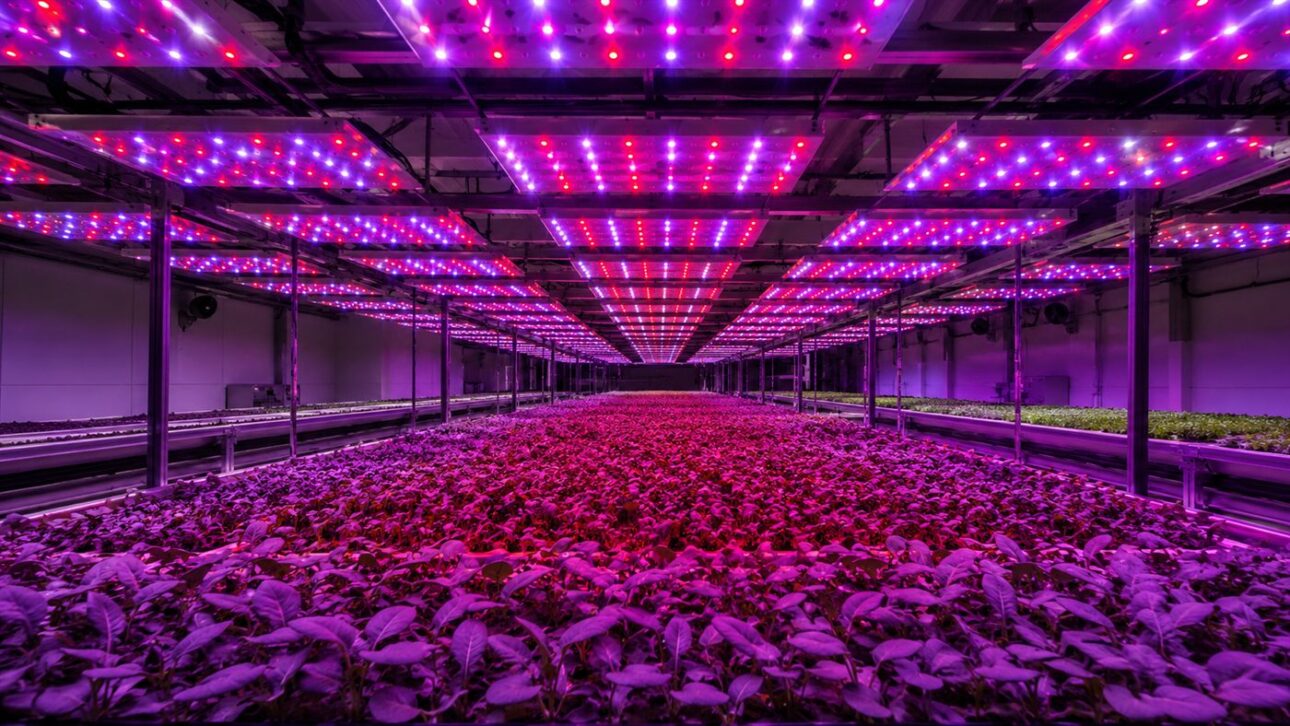
The Achilles’ heel of the model is physical. According to The Conversation, the vertical farm replaces the sun and rain, which are free, with electricity and artificial LED light, as well as constant climate control, and this exchange makes energy the biggest cost of the operation.
This is exactly what brought Plenty down in a concrete case. According to The Conversation, the company closed its farm in Compton, California, due to the rise in energy prices in the state. Add to this the fact that traditional farming is cheaper, making it difficult to compete on price, and the rise in interest rates, which made financing more expensive. The free sun ended up being the unbeatable competitor.
Technology company before farm
Part of the problem was in the very mindset of these startups. Many vertical farms spent like tech companies before proving they were good agricultural businesses, burning money on custom robots, high salaries, and huge warehouses before securing buyers and margin.
This mismatch took its toll. Building a lettuce megafactory requires heavy capital upfront, and when sales didn’t grow at the expected pace, the numbers simply didn’t add up. The energy cost combined with the debt of giant facilities formed a trap, and when interest rates rose, the easy money that sustained the loss dried up completely.
Only leaves and herbs managed
There is also a biological limit that few admitted. According to The Conversation, the vertical farm model works well only for leafy greens, herbs, and some high-value products, precisely the lightest and fastest-growing items.
This shrinks the dream in practice. You can’t stack corn, wheat, or rice plantations on illuminated shelves, which are what actually feed the world and occupy most of the fields. Feeding entire cities with warehouse-grown lettuce and basil was always a promise greater than biology and the electricity bill allowed to deliver.
Why some say vertical farms are still the future
Not everyone has buried the idea. According to The Conversation, the technology is still in an early stage, following the natural cycle of hype and disappointment of any novelty, and advances like adjustable LED lights have already increased productivity, with a type of red light boosting lettuce harvest by about 30%.
The argument is also geographical. According to The Conversation, places like Singapore, which produces only about 6% of its own food, and the United Arab Emirates, which imports almost 90%, have plenty of reasons to invest in indoor planting. And the Netherlands, which is second only to the United States as a food exporter, already shows with its hydroponic greenhouses that an intermediate version of the idea can work very well.
What this turnaround represents
The rise and fall of vertical farms is a lesson on the difference between a beautiful idea and a business that adds up. The technology is real and solves problems in specific places, but the promise of feeding the world in skyscrapers of lettuce hit the simplest physics: free light and climate, which nature offers, are hard to beat in price. The future of the sector will probably be more modest than Silicon Valley dreamed.
And you, would you pay more for lettuce grown in a warehouse with LED lights, or do you think real food will still come from the sun and the earth? Share your thoughts in the comments.


