Portuguese
  Spanish


Archaeological investigation in Brno revealed that the ancient fortifications of Špilberk Castle served as a base for the construction of a highly confidential military shelter during the 20th century.
A team of archaeologists discovered a nuclear bunker beneath a medieval castle during excavations conducted in the city of Brno, Czech Republic.
The shelter, identified as 10-Z, was secretly built beneath the fortifications of Špilberk Castle, a 13th-century fortress that served various military purposes over the centuries. The discovery reveals how European historical structures were adapted to face modern technological threats during the height of Cold War geopolitical tensions.
The adaptation of historical fortifications
The structure of the nuclear bunker beneath a medieval castle was excavated directly into the rock on which the Špilberk fortress stands. Originally, the space was designed as an air raid shelter during the Nazi occupation in World War II, but it was later expanded and reinforced by the communist regime.
-
New York removed the tracks from over 2,500 subway cars and dumped everything at the bottom of the Atlantic, and what seemed like trash turned into an artificial reef teeming with fish and divers.

-
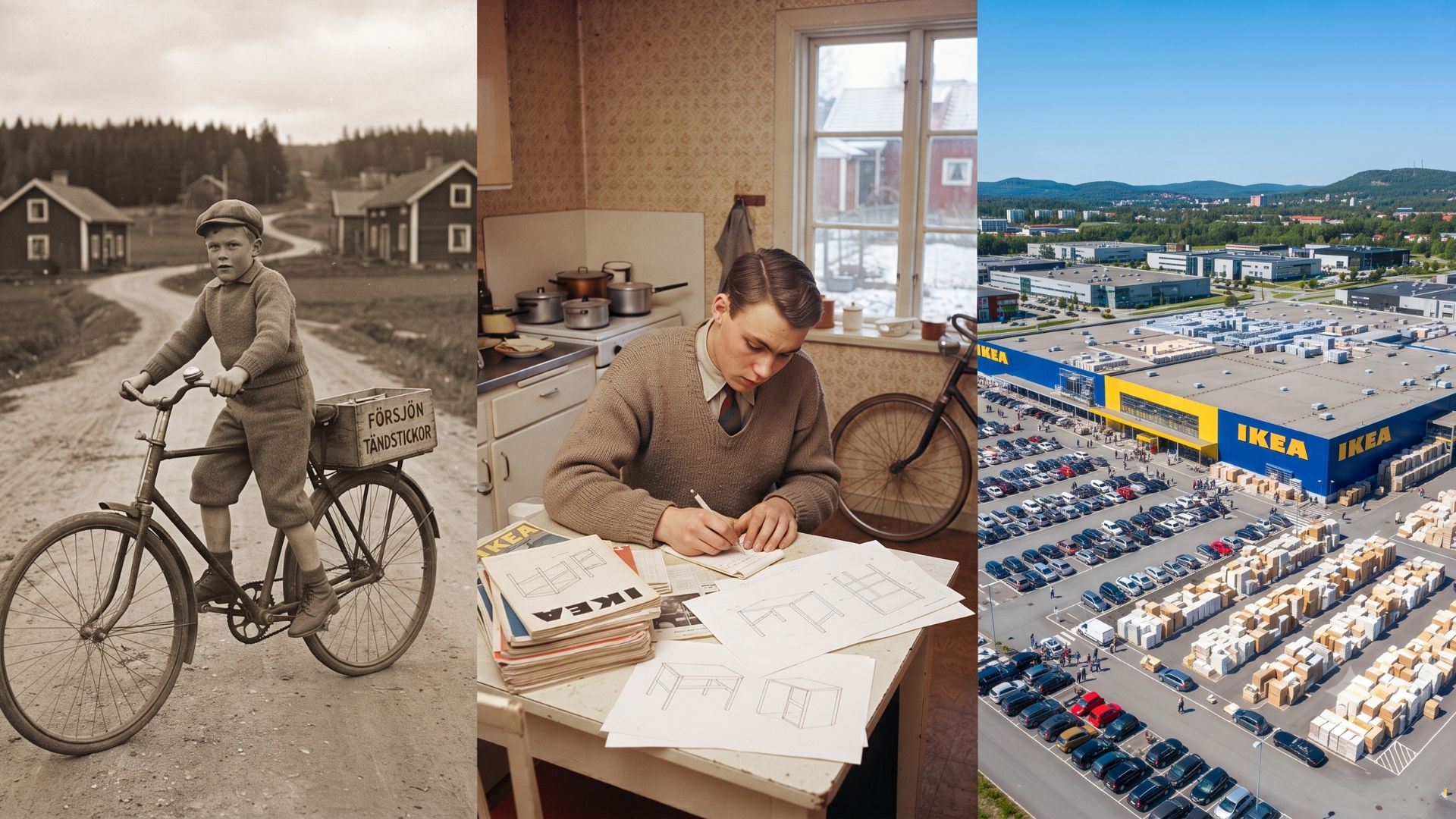
From matches sold by bicycle at age 5 to a global furniture empire: the lumberjack’s son founded IKEA at 17 in his uncle’s kitchen and transformed a small company into the largest furniture retailer on the planet.
-
The mansion in Flamengo, built in 1865 for the Baron of São Clemente and closed for 20 years, has become a spa, event hall, and gym for “Symphony,” a luxury condominium that sold 70% of its gross development value in the first month on the R$ 60 million land of the former Bennett College.

-
The Ipiranga convent, a 1924 building adjacent to the Museum that remained vacant for a decade and became home to dozens of cats, is reborn as “Alma Mater,” a luxury development worth R$ 130 million with a pool in the courtyard and a clubhouse in the former nuns’ chapel.




The goal was to create a secure command center capable of protecting the local military and political elite in the event of an imminent atomic attack.
Researchers found complex ventilation systems, power generators, and armored doors that remained hidden for decades beneath the historic gardens and courtyards. The use of a nuclear bunker beneath a medieval castle demonstrates the strategic versatility of Špilberk Castle, which has served both as a royal residence and as one of the most feared prisons of the Austro-Hungarian Empire.
The integration of Gothic architecture and 20th-century military facilities offers a unique contrast for historians.
Military secret and survival technology
For years, the existence of the shelter was kept under strict secrecy, known only to a limited circle of Czechoslovak army officials.
The infrastructure of the nuclear bunker beneath a medieval castle included advanced communication rooms for the time and dormitories designed to sustain life for prolonged periods of isolation. Current excavations have allowed the mapping of corridors that were previously not included in the public records of the city of Brno, expanding knowledge about the civil defense logistics of the region.
The archaeologists emphasize that the preservation of the site is exceptional, with many of the original Soviet-era equipment still present in the internal compartments. The technical analysis of the nuclear bunker beneath a medieval castle allows for an understanding of the defense priorities of the time, focused on protection against radiation and chemical attacks.
The architectural project took advantage of the thickness of the ancient walls and the natural geology of the hill to maximize the resistance of the underground facility.
Transformation into historical and tourist heritage
After the declassification of military documents, the site is being prepared to be integrated into the cultural itinerary of Špilberk Castle. The transition from a nuclear bunker beneath a medieval castle from a secret facility to a museum will allow visitors to explore the different temporal layers of European history in the same physical space.
The castle managers intend to use the discovery to educate the public about the risks of the nuclear age and the importance of urban archaeological preservation.
The discovery reinforces the idea that historic centers can hide vital modern infrastructures that shaped the recent past. With the completion of the excavations, the nuclear bunker beneath a medieval castle will become one of the main points of interest for enthusiasts of military history and defensive architecture.
The find in Brno symbolizes the convergence between the protection of ancient legacies and the adaptation forced by the survival needs of the 20th century.
With information Zmescience