Portuguese
  Spanish


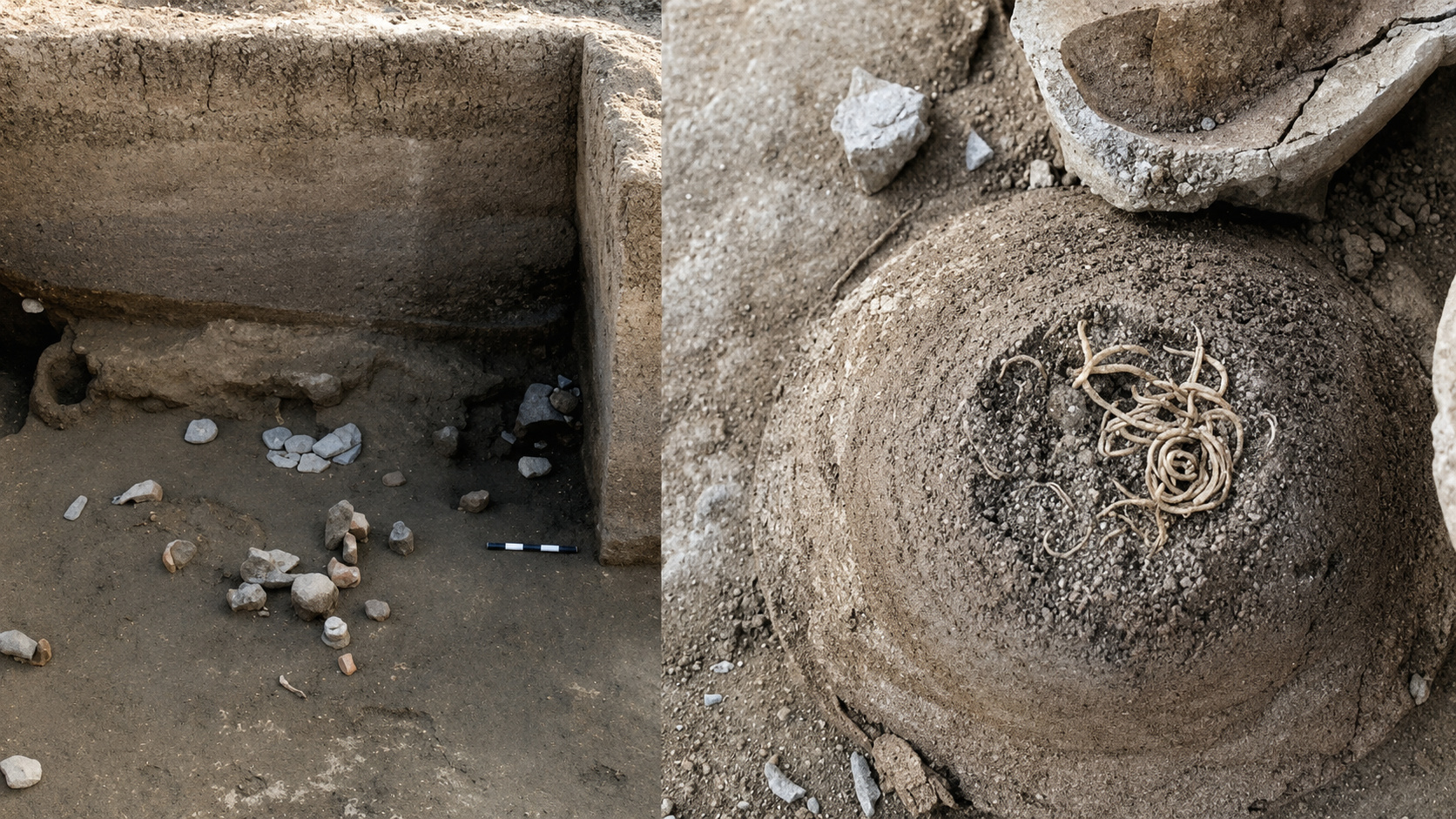

4,000-year-old noodles found in China at Lajia became a central piece in the debate about the origin of the dish and surprised world archaeology.
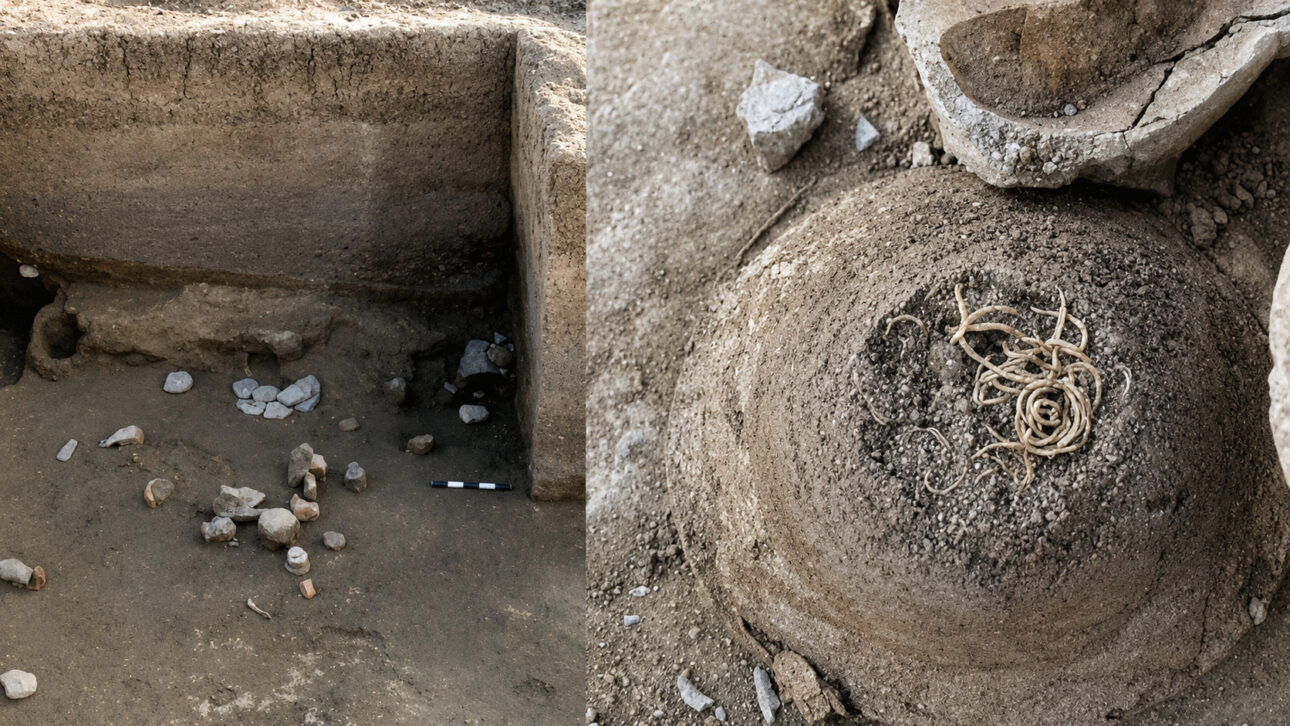
A bowl with noodles about 4,000 years old found at the archaeological site of Lajia, in northwest China, has become one of the most impressive discoveries in food archaeology. The find was described in 2005 in a study published in the journal Nature and gained international prominence for combining antiquity, exceptional preservation, and historical impact in the debate about the origin of noodles.
The strands were long, thin, and yellowish and were inside an upside-down bowl, buried under about three meters of sediment. The set was interpreted as the oldest physical evidence ever found of noodles, although the researchers themselves and subsequent studies indicate that there are still important points in debate about composition, preparation technique, and direct connection with later pasta in Asia and Europe.
Discovery of 4,000-year-old noodles in Lajia changed the debate about the origin of noodles in China
The study led by Houyuan Lu, from the Chinese Academy of Sciences and available on pubmed, analyzed the remains found in Lajia and concluded that this container preserved the oldest known empirical evidence of noodles.
-
8-Year-Old Girl Finds 1,500-Year-Old Pre-Viking Sword in Swedish Lake

-
Brazilian Woman Fired After Maternity Leave Starts Street Sweet Business with $5, Now Produces 5 Tons Monthly with 21 Employees in Southeast Brazil

-
Father Sells 10-Year-Old Daughter to Feed Family Amid Crisis; Mother Tries to Undo Marriage in Camp Where Hunger Pushes Families to the Brink
-
6-Year-Old Finds Ancient Neanderthal Axe on English Beach, Discovers Its Significance Three Years Later



The work associated the material with a context from the end of the Neolithic and identified a connection with the cultivation of millet, a cereal widely used in the region long before wheat dominated modern pasta in various parts of the world.
The importance of the find is not just in its age. Before this discovery, the oldest records of noodles cited by researchers were much more recent, which made Lajia shift the chronological axis of this history to a much more remote past and reinforce China’s weight in the trajectory of this food.
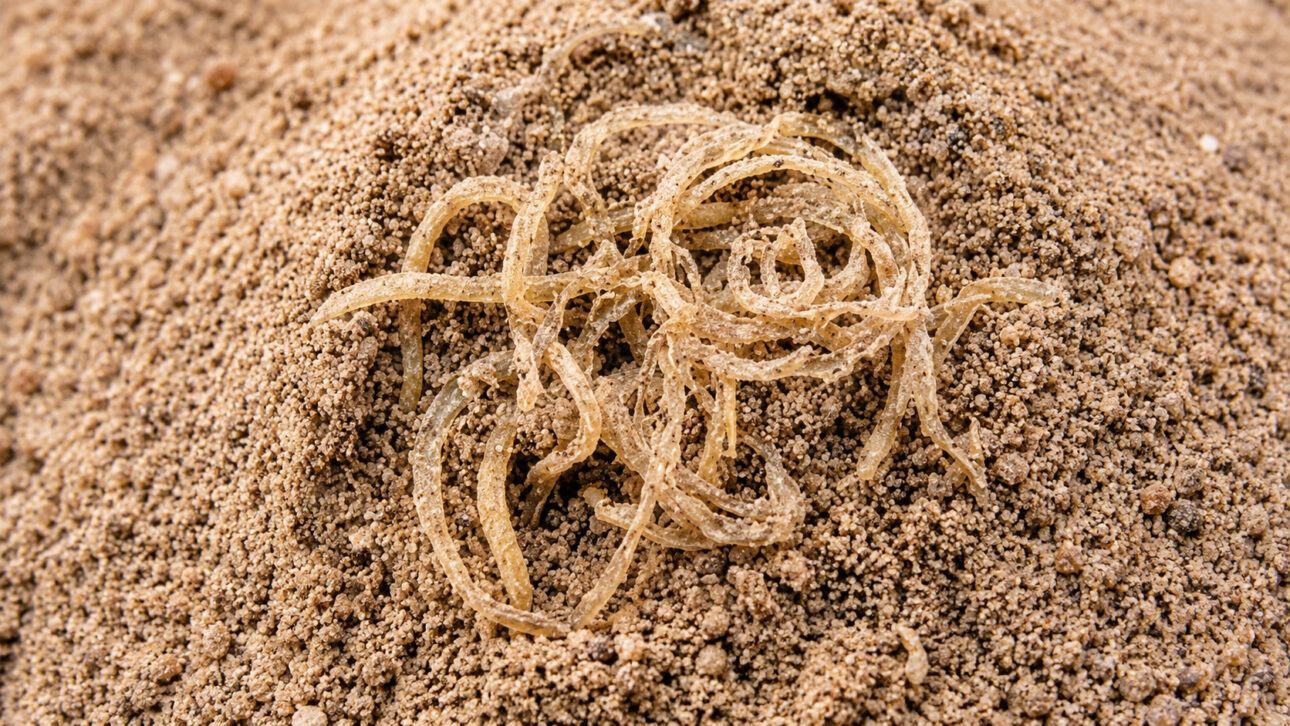
At the same time, the discovery does not authorize a simplistic conclusion that modern Italian pasta descends directly from that buried dish. What it does, with certainty, is push the oldest known physical record of noodles to China, something different from proving the entire subsequent culinary lineage alone.
Earthquake, flood, and Lajia sediments created the time capsule that preserved the noodle bowl
What made the Lajia bowl extraordinary was precisely the sequence of destructive events that preserved it. Researchers described the noodles inside a sealed, inverted, and buried container, which reduced exposure to oxygen and helped maintain the shape of the strands for millennia.
According to the archaeological reconstruction presented at the time, the settlement was hit by a major natural disaster, with heavy burial by sediments. This sudden destruction froze an everyday scene and turned an interrupted meal into one of the most valuable food finds ever documented by archaeology.


The narrative strength of the episode comes from this contrast. The same event that devastated the village was responsible for sealing the bowl and preserving a perishable trace that, under normal conditions, would have completely disappeared thousands of years ago.
Lajia archaeological site and Qijia culture reveal how the population that produced the ancient noodles lived
The noodles were found in Lajia, a site linked to the Qijia culture, in the upper reaches of the Yellow River. This archaeological context is crucial because it shows that the dish did not appear in isolation, but was part of a structured agricultural society capable of processing grains, manufacturing ceramics, and organizing relatively sophisticated food practices for the period.
The frequent comparison between Lajia and a kind of archaeological “Pompeii” arises from the way the disaster preserved scenes of everyday life. More than just a catchy nickname, this analogy helps to understand why the site became so valuable: it was not just pottery found there, but an almost frozen domestic moment in time.
This exceptional preservation also reinforced scientific interest in the site. Instead of an isolated artifact, researchers began to treat Lajia as a rare window into the diet, culinary techniques, and material organization of a community from the end of the Chinese Neolithic.
Millet noodles in Lajia raised scientific controversy over ingredients and preparation technique
In the 2005 study, the authors stated that the noodles had been produced from two varieties of millet, the foxtail millet and the broomcorn millet.
The discovery caused a huge stir because it linked the dish to an ancient Chinese cereal, rather than the wheat that dominates much of today’s pasta in the West.
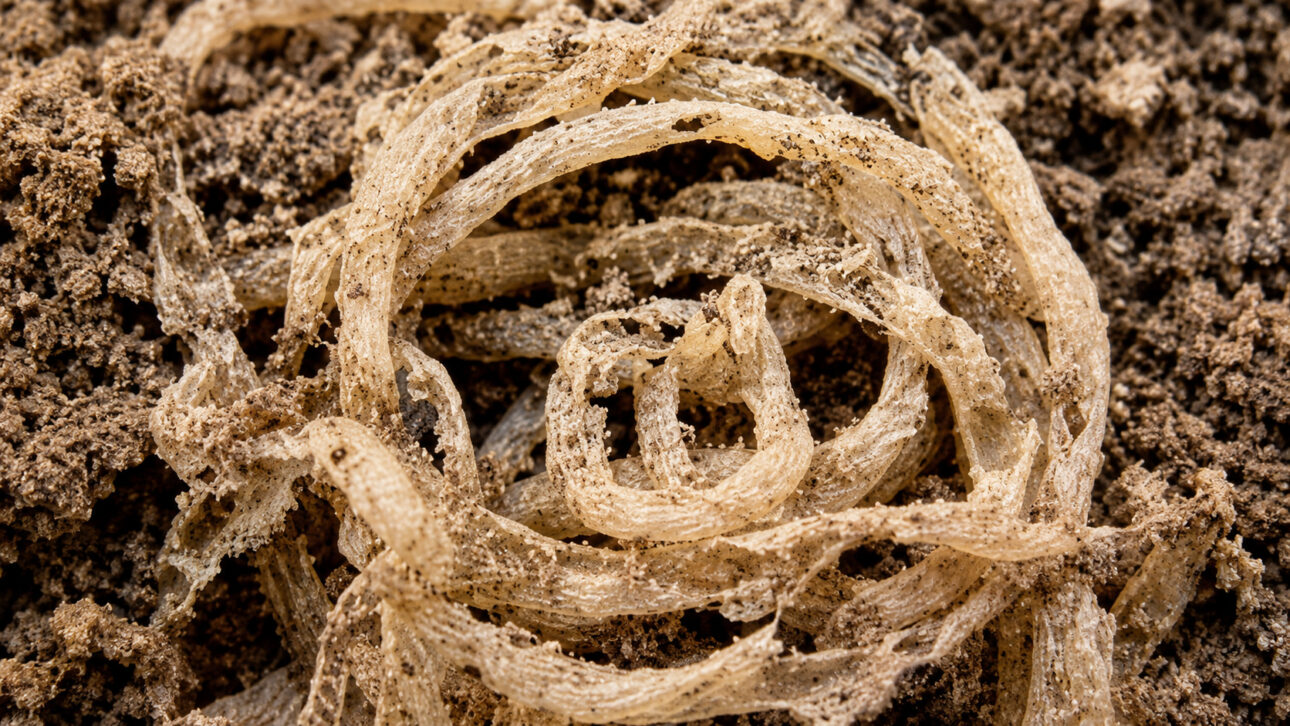
But the exact composition and technique used to produce those noodles remain a topic of discussion. A later study published in Archaeometry in 2011 concluded that it is impossible to stretch dough made only from pure millet to form strands like those of noodles, raising doubts about the hypothesis that the Lajia noodles were made exclusively from this cereal.
Origin of noodles between China, Italy, and the Middle East remains in debate, but Lajia changed the global chronology
The discovery entered directly into an old gastronomic dispute over who invented noodles. The Lajia find did not conclusively end this discussion, but it altered the field of debate by offering a physical example much earlier than the most well-known documentary records of pasta in other culinary traditions.
Therefore, the most solid point is not to turn the episode into a simplified national rivalry, but to recognize what archaeology has truly demonstrated.
Today, Lajia remains the oldest known physical evidence of noodles, while the relationship between that Neolithic dish and Asian noodles or Italian pasta from later eras remains dependent on additional evidence.
In the end, the Lajia bowl is valuable both for what it answered and for what it still leaves open. It showed that the history of noodles is older and more complex than previously thought, and proved that even the remnants of a meal can change the way entire civilizations are understood.