





 Portuguese
  English
  Spanish
  4 min of reading
  0 comments


2,000-Year-Old Temple Found Submerged Off the Italian Coast, Revealing Historical Secrets
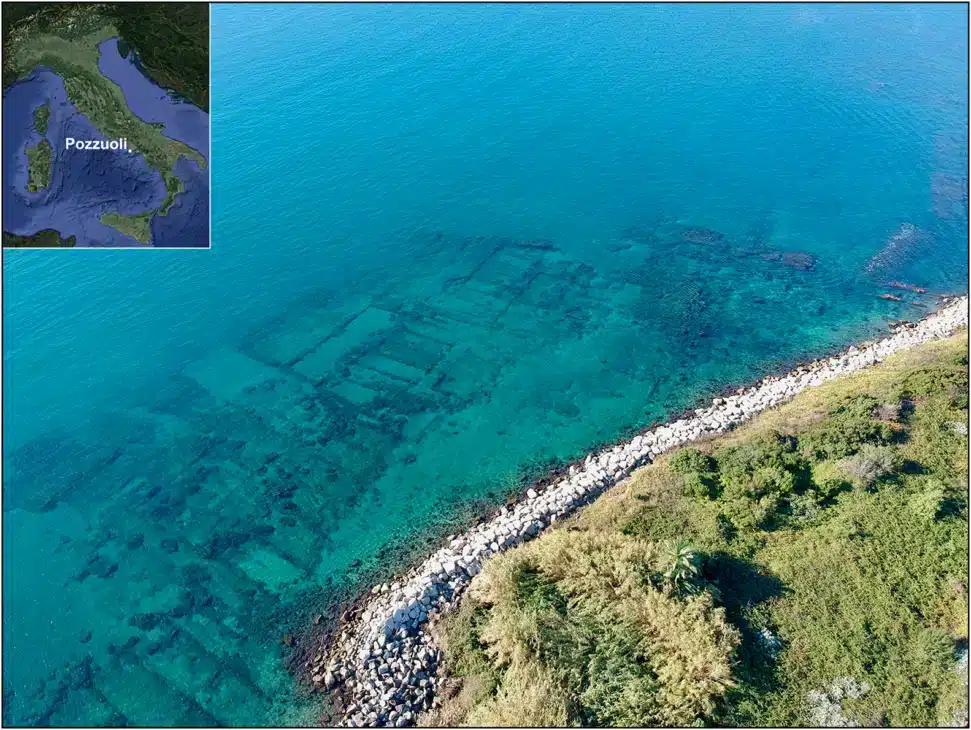
Recently, near Naples, Italy, archaeologists made an impressive discovery: a 2,000-year-old Nabatean temple off the coast of Pozzuoli, the ancient Roman city of Puteoli.
This discovery adds a valuable chapter to the history of Nabatean civilization, a culture recognized for the rock-hewn monuments of Petra in Jordan.
Contrary to expectations, the Nabateans left their mark in Pozzuoli with a temple that, although built in the Roman architectural style, was dedicated to Dushara, the supreme Nabatean god.
-
Couple leaves the city to live in the countryside, cultivates a pesticide-free garden and sees cabbages, kale, and broccoli destroyed by an unexpected attack, but decides to uproot everything, replant seedlings, and start over with the help of the rain in their new rural dream.

-
Billion-year-old rocks underground may hide one of the largest sources of clean energy on Earth, natural hydrogen, a gas that forms when water reacts with iron-rich minerals and that, according to the US Geological Survey, could supply the world’s demand for up to 200 years.

-
Translucent creature with black and yellow spots appears on the coast of Taiwan, earns the nickname “sesame seed,” and enters science.

-
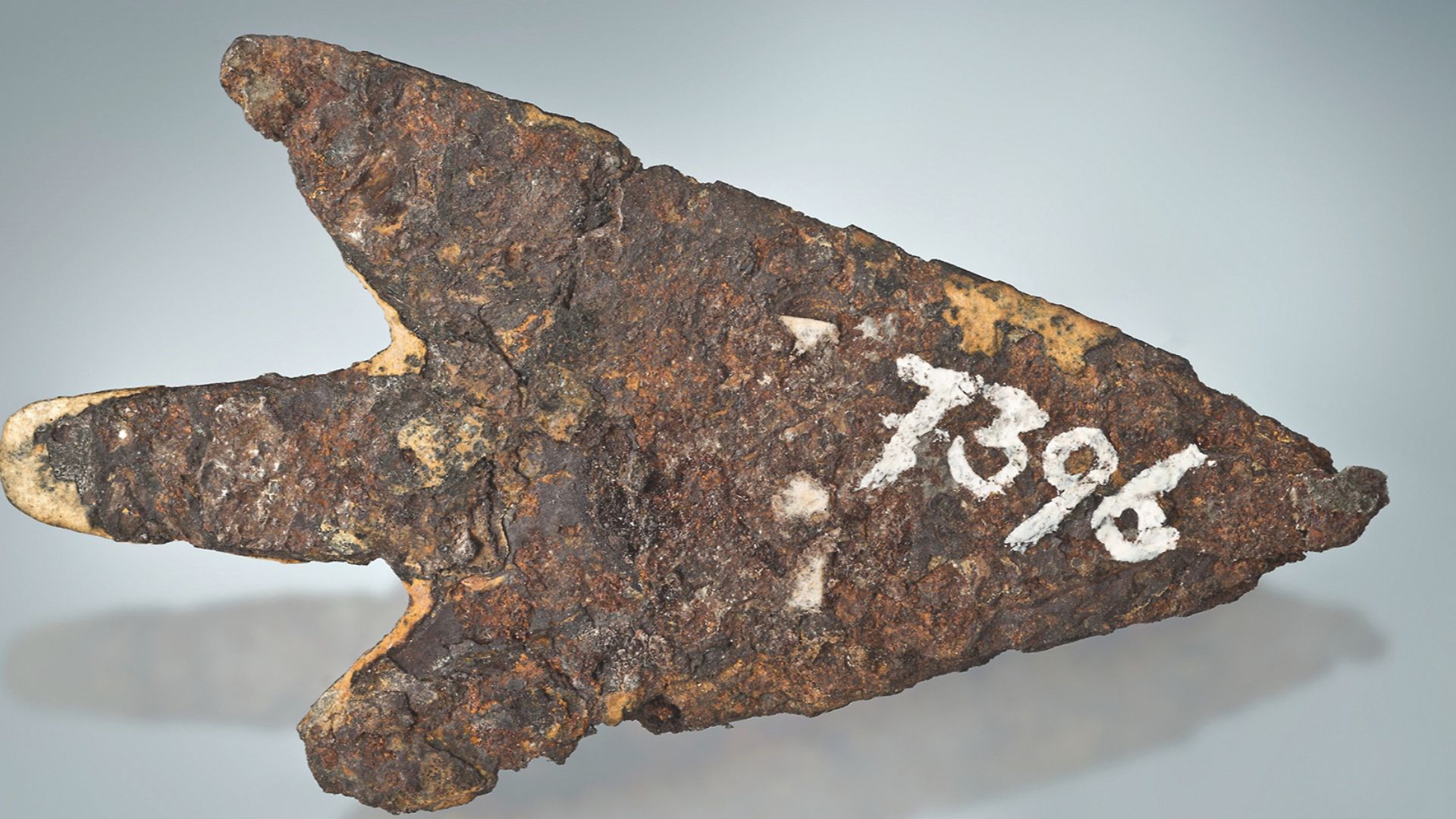
A 2.9-gram arrowhead found in Switzerland concealed a secret from space: analyses revealed high nickel content and showed that the nearly 3,000-year-old artifact was forged from meteorite iron that may have traveled over 1,600 km before becoming a prestigious object in the Bronze Age.


This blend of architectural and religious influences opens new perspectives on cultural exchanges between civilizations.
Project “Between Land and Sea”
The excavations are part of the “Between Land and Sea” project, a collaboration between the Italian Ministry of Culture and the University of Campania. The project focuses on the Puteolana shore, an extension of submerged Roman structures that were part of the ancient port of Puteoli.
The port of Puteoli was an important entry point for goods from Egypt and North Africa, with an infrastructure that included extensive warehouses and sophisticated buildings. Due to volcanic activity, these structures were submerged, preserving what remained beneath the sea.
In 2023, while documenting the submerged port, archaeologists identified the Nabatean sanctuary. Nabatean architecture is typically restricted to the Middle East, making the discovery in Pozzuoli an archaeological surprise.
Temple Description
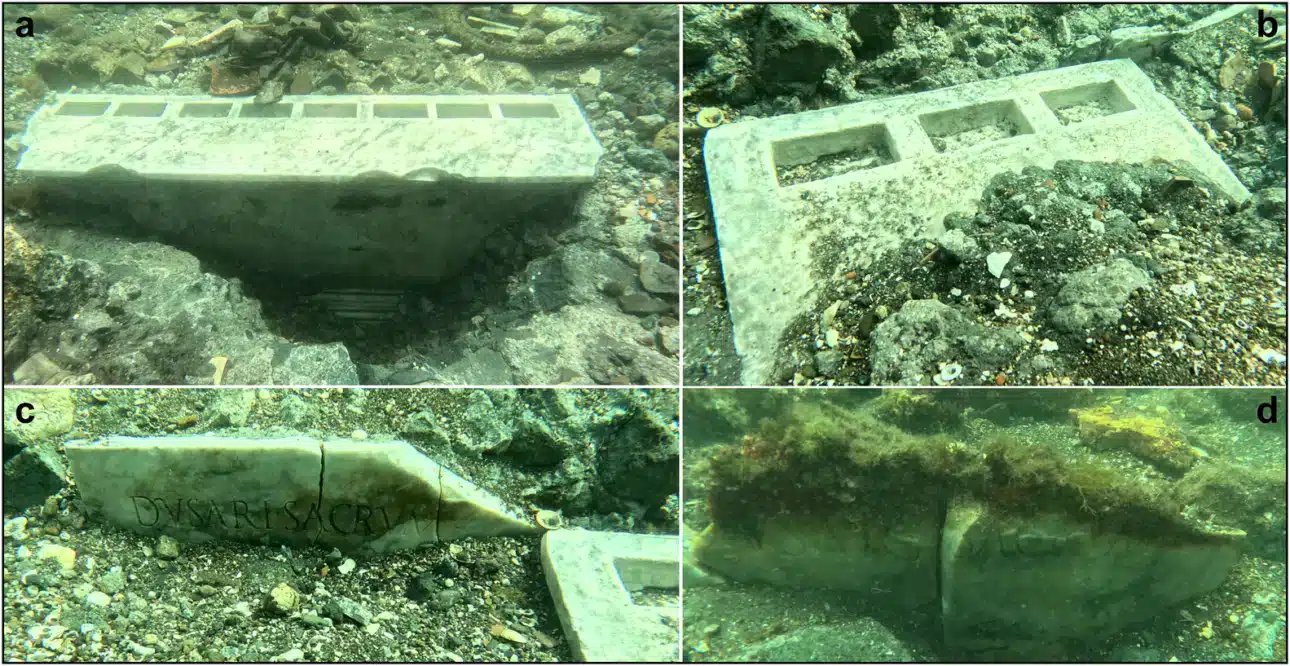
Researcher Michele Stefanile and his team used photogrammetric surveys to reconstruct the temple’s architecture, revealing two aligned rooms and marble altars.
Each altar bore the inscription “Dusari sacrum,” Latin for “dedicated to Dushara,” confirming the site’s purpose as a Nabatean sanctuary.
In Room A, two marble altars are aligned against the southern wall. One of them, with eight recessed spaces, likely held betyls, sacred stones symbolizing deities.
This Nabatean religious practice was marked by the absence of anthropomorphic representations, allowing a unique veneration of Dushara.
Modifications and Ritual Purposes
In Room B, archaeologists found a concrete pedestal covered with cocciopesto, a waterproof Roman mortar. The structure indicates that the temple underwent modifications, such as the addition of a ritual basin.
This area is believed to have been used for offerings or purifications, reinforcing the importance of the temple as a site of Nabatean devotion.
The Nabatean Integration in Puteoli
The discovery also offers a glimpse into the lives of Nabatean merchants in Puteoli, especially during the reign of Augustus (31 BC to 14 AD). During this time, Rome encouraged economic freedom for its allies, allowing the Nabateans to thrive in Roman society.
Nabatean merchants in Puteoli benefited from Rome’s extensive trade network, trading spices and silk from the Indian Ocean.
The temple was built using local materials, such as tuff stones and Luni marble, an expensive and likely imported resource, reflecting the desire for integration and cultural communication.
Transformations in the Temple
With the conquest of the Nabatean Kingdom by Trajan in 106 AD, the region was absorbed into the Roman province of Arabia Petraea. This event diminished the economic autonomy of the Nabateans, marking the beginning of a shift in trade relations.
In the early 2nd century AD, the temple was preserved with concrete and other materials. This act demonstrates Roman respect for sacred sites, which, instead of being destroyed, were often sealed or buried.
Cultural Heritage and Fusion of Traditions
The Nabatean presence in Puteoli represents a significant moment of cultural fusion and economic prosperity. The excavations, which will continue in 2024, promise to reveal even more about the temple and its connections to Nabatean culture.
The submerged sanctuary in Pozzuoli not only evidences the Nabateans’ adaptation to Roman customs but also their resilience in preserving their traditions. The decision to build a temple in the heart of Roman trade reveals the Nabatean community’s commitment to its cultural heritage.
A Legacy that Rises Again
This discovery in the Gulf of Pozzuoli preserves the memory of a civilization that united the eastern and western worlds, leaving a legacy that literally resurfaced from the depths.






Be the first to react!