






 Portuguese
  Spanish


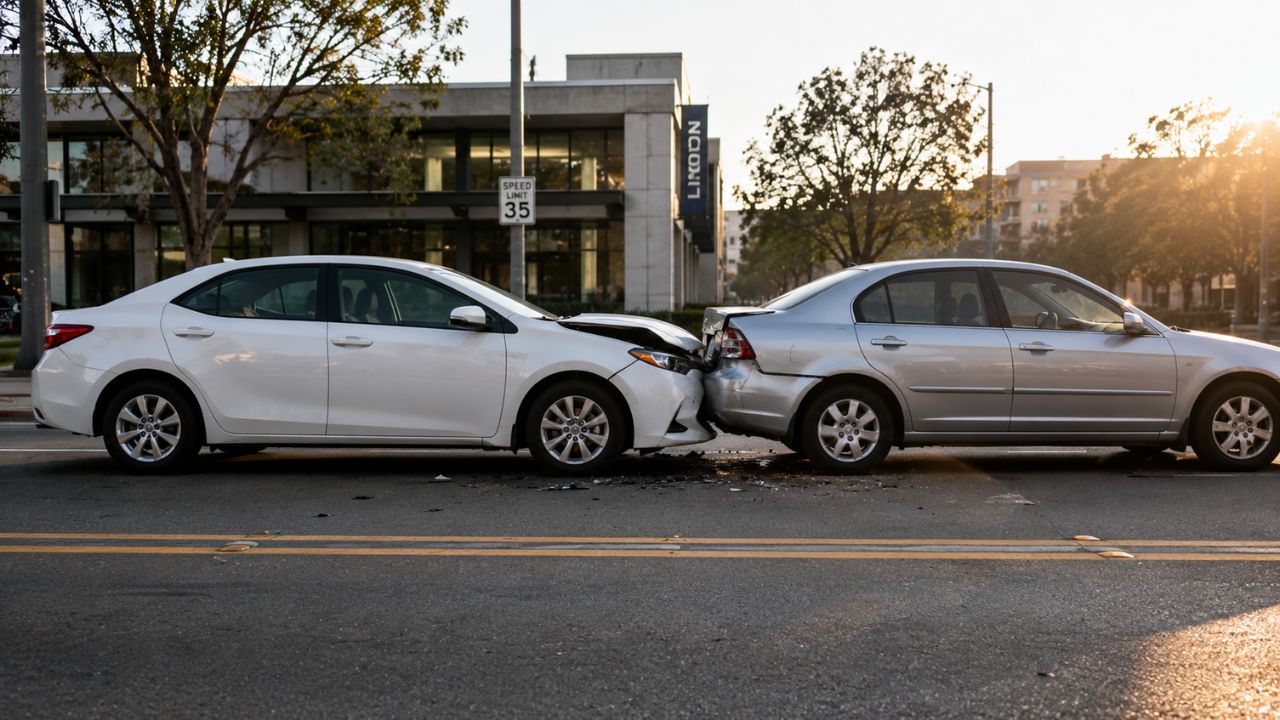

TJMG Decision Removes Customer Responsibility for Car Damage During Test Drive at Dealership.
A driver participating in a test drive in Belo Horizonte will not have to bear the costs caused after a collision involving the evaluated vehicle. The decision was made by the Court of Justice of Minas Gerais (TJMG), which considered that the risks associated with the commercial activity belong to the dealership responsible for the car made available to the consumer.
The understanding was established by the 5th Panel of the 4.0 Justice Center – Private Civil. The judges rejected the appeal filed by the company and upheld the decision that exempts the customer from paying for the damages suffered by the car during the test drive.
According to a report by the TJMG portal in April 2026, the case began after the vehicle used in the test drive suffered a rear-end collision. The dealership argued that the consumer had caused the situation by braking abruptly on a busy avenue. Additionally, the company claimed that the driver had signed a document assuming responsibility for any damages caused to the car.
-
2027 Toyota Corolla Cross Unveiled: New Design, Enhanced Fuel Efficiency, Reduced Maintenance Costs, Advanced Technology, Connected Services, and Up to 10-Year Warranty

-
Fiat Cronos Precision 2018: Affordable Sedan with Spacious Trunk and Reliable Maintenance
-
Volkswagen to Cut Production by 1 Million Cars by 2030, Reducing Jobs and Platforms, Focusing on More Profitable Models

-
Toyota Launches First 100% Electric Car in Brazil: bZ4X with 343 HP, All-Wheel Drive, 361 km Range, Priced at $419,990 BRL, Limited to 99 Units




Test Drive Considered Part of Commercial Strategy
Upon reviewing the case, the case’s rapporteur, Judge Kenea Márcia Damato de Moura Silva, concluded that the maneuver performed by the driver was for safety reasons. According to the judge, the braking was necessary after the unexpected action of another vehicle on the road.
In the judge’s assessment, the conduct adopted by the customer is in line with the rules provided in the Brazilian Traffic Code and does not constitute recklessness.
The decision also highlighted that the relationship between dealership and consumer must follow the rules of the Consumer Protection Code. Thus, the court understood that the test drive is part of the company’s commercial activity, as it serves to attract buyers and encourage negotiations.
As a result, any accidents occurring during this experience are considered part of the risk assumed by the supplier. According to the TJMG’s understanding, clauses attempting to fully transfer this responsibility to the customer may be considered abusive.
What Did the Dealership Claim in the Process?
During the legal action, the company presented some arguments to try to hold the driver responsible. Among them were:
- The claim that there was sudden braking;
- The existence of a liability waiver signed before the test;
- The defense that the client should compensate for the vehicle damages.
Even so, the judges maintained the favorable understanding towards the consumer.
Car hit by third party will still have compensation
Although the client was released from any financial obligation, the court ruled that the driver responsible for the rear collision may be liable for the damages caused to the car used in the test drive.

The compensation amount will still be calculated in a later stage of the process. At this stage, documents and proof related to the necessary car repairs must be presented.
Decision reinforces understanding of consumer relationship
The judgment highlighted that experiences like test drives are part of the strategies used by dealerships to increase sales. Therefore, the risk associated with commercial activity cannot be automatically passed on to the consumer.
The case’s rapporteur also pointed out that the mere fact of the client signing a term before driving the vehicle is not sufficient to validate clauses considered excessive within the consumer relationship.
According to the court’s understanding, responsibility should be analyzed taking into account the context of the accident and the norms provided in consumer protection legislation.
Main points of the TJMG decision
The decision of the Minas Gerais court defined the following understandings:
| Point analyzed | Court’s understanding |
| Braking performed by the client | Considered a defensive maneuver |
| Responsibility of the dealership | Maintained as it is considered a risk of the activity |
| Term signed by the consumer | Considered insufficient to transfer blame |
| Third party that hit the vehicle | Can be held responsible |
| Legal relationship | Governed by the Consumer Defense Code |
Case involves responsibility during use of car in demonstration
The process draws attention for involving a common situation in the automotive market. The test drive is usually offered precisely so that the consumer can get to know the car better before purchasing.
In this scenario, the court assessed that occasional accidents are part of the commercial dynamics assumed by the dealership itself when providing vehicles for demonstration.
Thus, the TJMG decided to maintain the exemption of the driver participating in the test, removing the obligation to compensate the company for the damages recorded on the vehicle.








