






 Portuguese
  Spanish
 3 min of reading
  0 comments


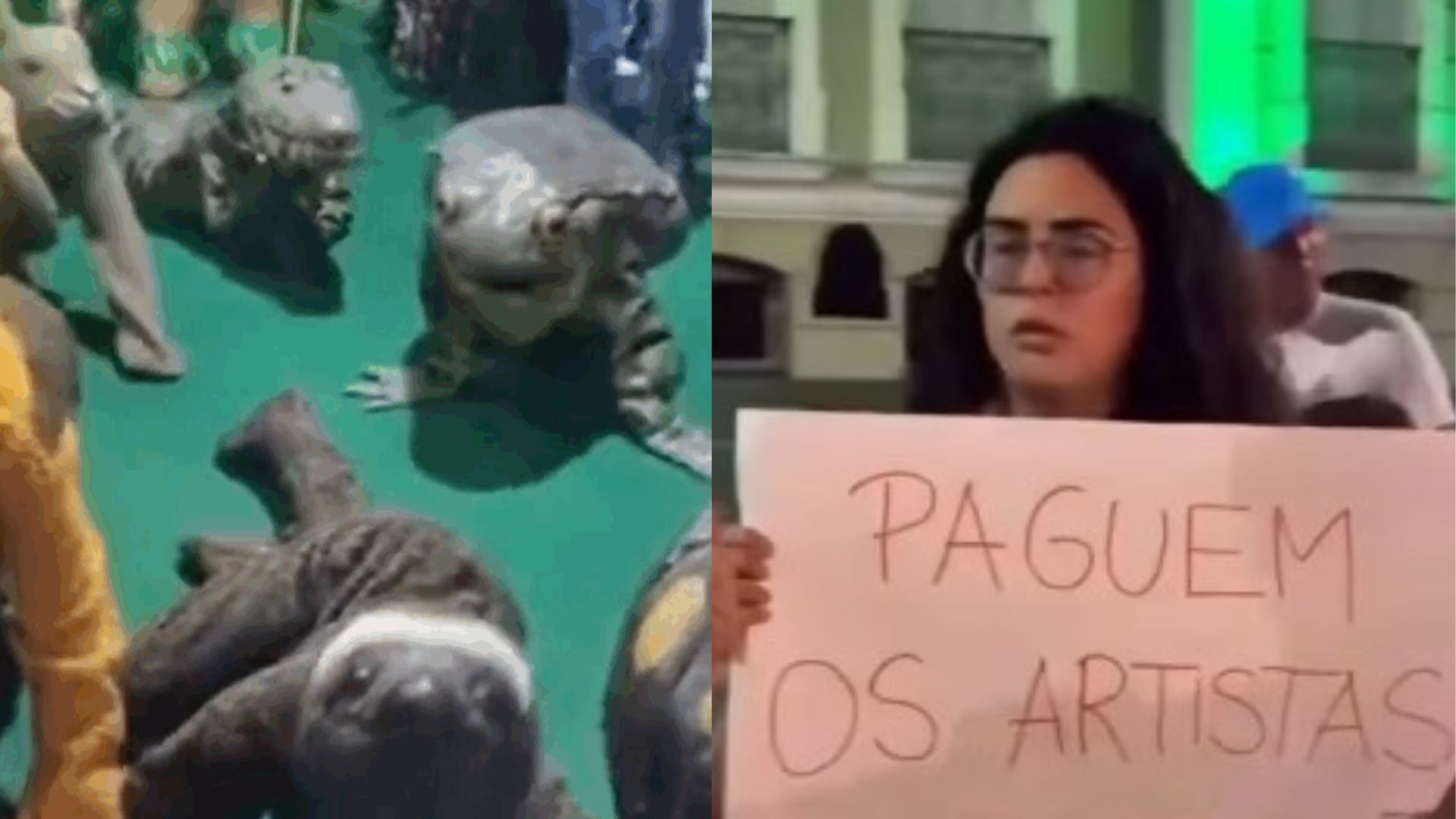
Animal Costume Performance Becomes Crisis Behind the Scenes of the Conference in Belém, Sparks Protests Over Non-Payment, and Exposes Breach of Financial Agreements During the Event
The opening of the COP30, held in Belém, took unexpected turns after the actors participating in the artistic performance dressed as animals reported a default by the event organizers. Despite agreeing to take the “monkey” on stage in front of the audience and cameras, the professionals now claim they haven’t even received the first installment of the contracted fees, which sparked a series of protests and further negative repercussions on social media.
Shortly after the presentation went viral — this time, not for artistic merit, but for embarrassment — the group decided to publicly denounce the delay in payments. The information was reported by the portal Extra and spread widely, revealing that the artists continue to receive no promised payments, even after the performance was used as part of the official opening of the climate summit.
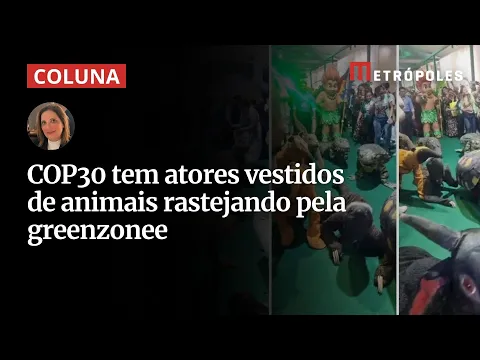

Artists Claim They Received Only R$ 1,500 and Denounce “Delay” by the Contractors
According to the testimony of one of the actresses involved, the agreement stipulated a fee of R$ 5,000 for each professional, divided into two installments of R$ 2,500. The first installment was supposed to be paid on November 5, but that did not happen. Instead, the artists claim they only received R$ 1,500, an amount considered insufficient and seen as an attempt to distance the group from the protests.
-
Brazilian Joins Homeownership Consortium, Faces Decade of Dual Payments Totaling $141,000, Surpassing Traditional Mortgage

-
Land Rover to Halt Production in July, Putting 371 Jobs at Risk, as Chinese Automaker Negotiates to Convert Factory to 100,000 Vehicles Annually by 2027

-
Mexican Pest Threatens U.S. Cattle Herds at Historic Lows, Potentially Boosting Brazilian Beef Exports as Burger Prices Soar

-
Brazilian Freight Bill Progresses in Congress with $5,000 Minimum Wage, 70% Advance Payment, and Fines Up to $1 Million, as Agriculture and Industry Warn of Rising Costs and Legal Uncertainty


However, contrary to what the contractors expected, the partial payment ended up strengthening the artists’ movement. In a video recorded during the protest, the actress stated that everyone was “being delayed” and that they were “asking for the minimum” by demanding that the agreement be fulfilled in full. The statements resonated on social media, amplifying the pressure on those responsible for the hiring.

During the protest, signs with phrases like “Pay the Free Zone Artists” and “We Want Our Rights Paid” were raised in front of the Free Zone cultural space — an area designated for artistic performances and social activities within the conference.
Performance Became a Joke on Social Media and Protest Coincided with Lula’s Official Speech
The presentation that triggered the crisis lasted a few minutes and took place in the civil society pavilion. During the act, the artists crawled dressed in fabric animal costumes, a moment that quickly turned into memes and criticisms after being widely shared on social media. Congressman Sóstenes Cavalcante (PL) was one of the public figures who shared the video, amplifying the repercussions.
As highlighted by Extra, the actors’ protest occurred just hours after President Luiz Inácio Lula da Silva (PT) delivered the opening speech, which emphasized the urgency of addressing the impacts of climate tragedies. The coincidence of events reinforced the sense of disorganization and internal conflicts at the conference, drawing even more attention to the episode.
Meanwhile, the artists continue demanding the full payment of their fees and assert that they will not accept new partial agreements. For them, the biggest “monkey” was not the performance itself, but the lack of contractual respect after they fulfilled their part in the event.





-

-

2 people reacted to this.