Portuguese
  Spanish




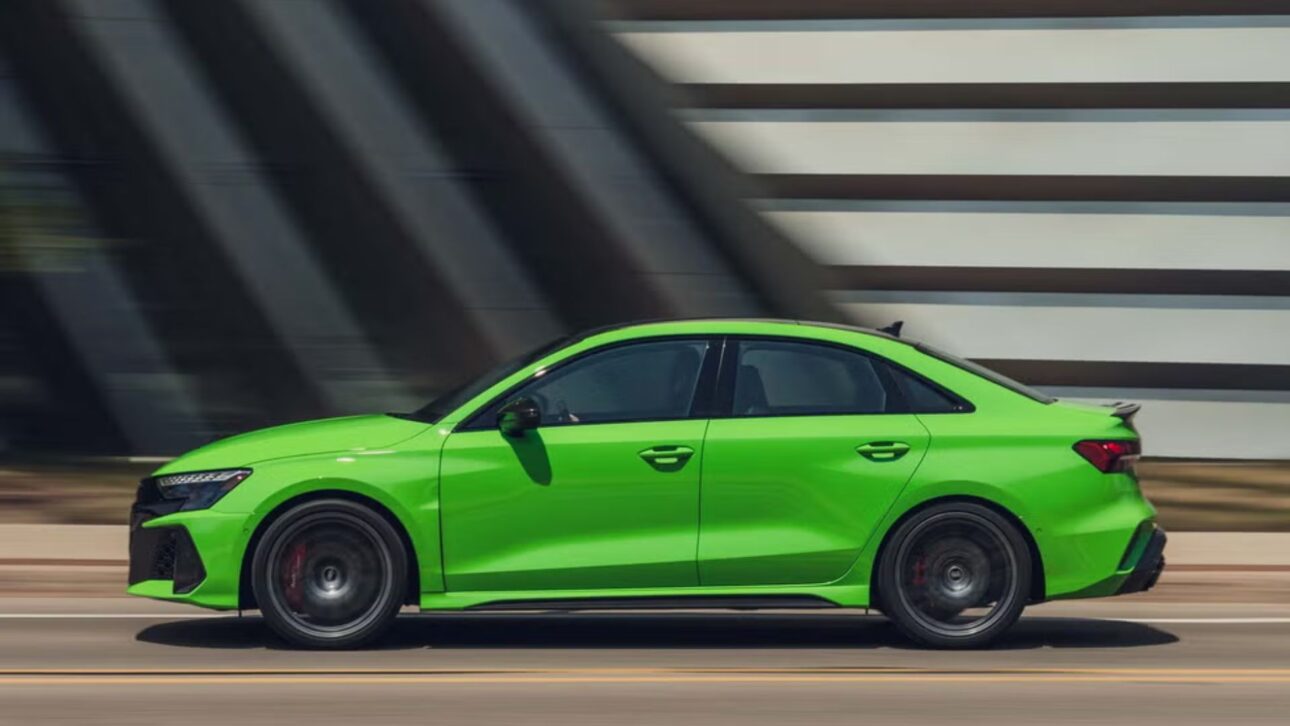
Audi officially introduced the new RS3 2025 with pointed but impactful changes. The model retained the five-cylinder engine of 401 hp but brought electronic adjustments to the rear differential, new tires, and aerodynamic improvements that elevated performance without changing the power.
The RS3 2025 line received a visual facelift inspired by other Audi models, such as the Q7 and Q8. The headlights now offer customizable animations, the front bumper has gained larger air intakes, and the rear has received a new diffuser with a vertical reflector, which is expected to become standard on upcoming RS models. Redesigned wheels and new color options complete the external package.
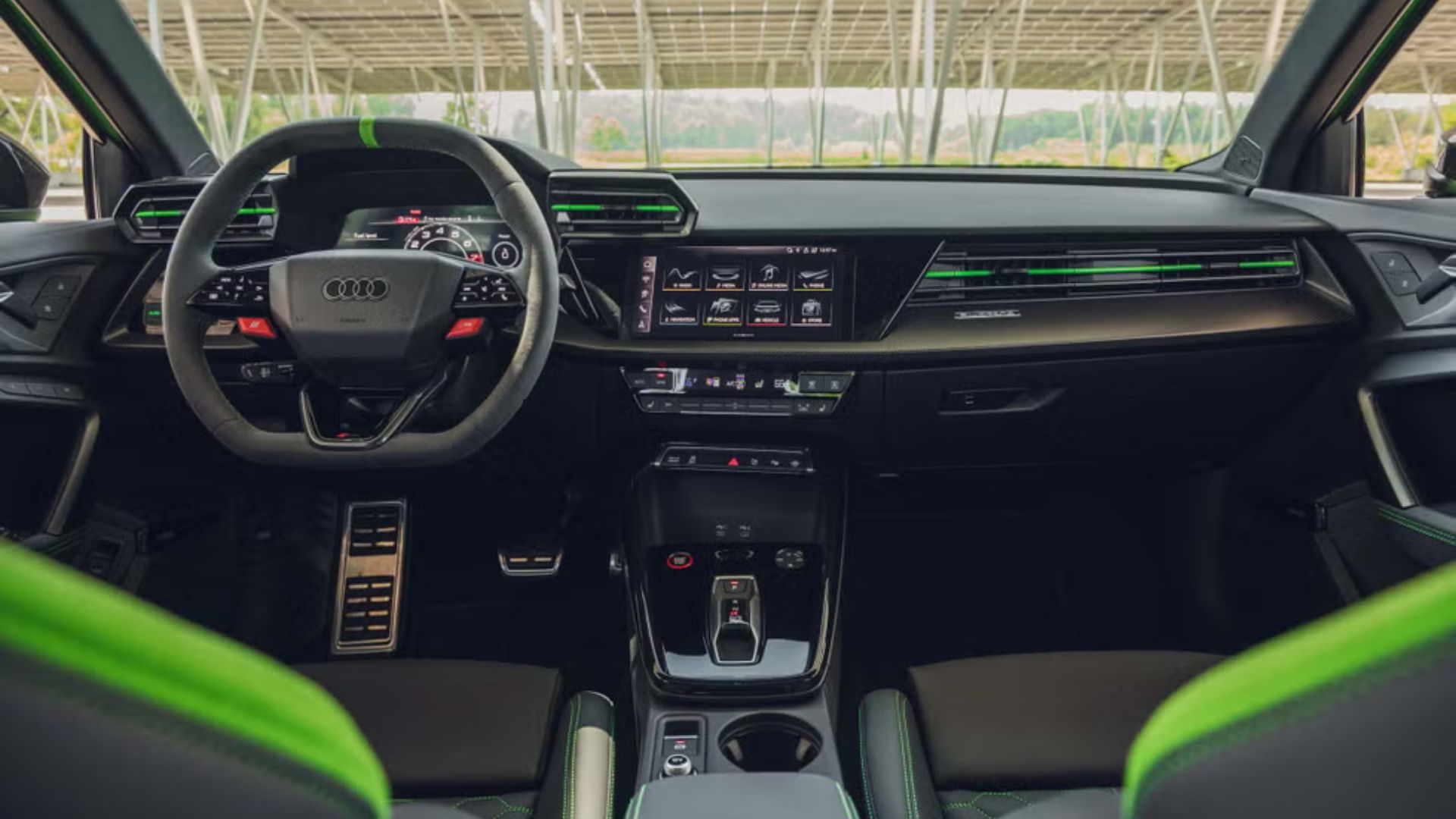
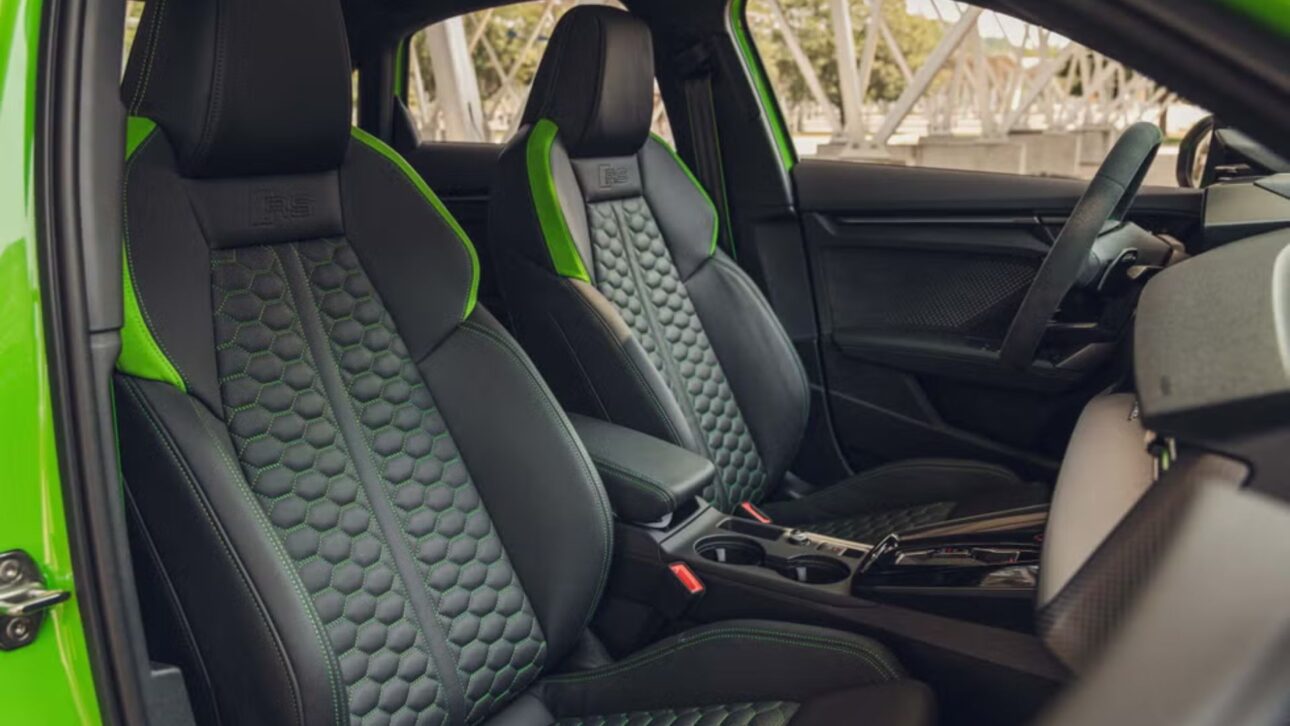
Inside, the changes are evident. The steering wheel has a new shape with a flattened base and top, and red buttons for quick access to sport modes. The digital dashboard includes a new tachometer graphic, and carbon fiber and dark chrome details appear in various points of the cabin. However, the bucket seats with a carbon structure are available only in Europe.
Cabin, Controls, and Finishing
The gear lever has been replaced with a cleaner and more modern selector, but the interior finishing divided opinions. Despite a good dose of technology and sporty style, some plastics appear to be of lower quality than expected in a sedan that starts at US$ 64,695 and goes up to US$ 77,045 with optional packages.
-
End of an era in Brazil: beloved sedan by Brazilians is discontinued despite having a 2.0 engine with 151 hp, CVT transmission, 466-liter trunk, and up to 650 km of range.

-
New Law Proposal in Brazil Could Heavily Penalize Drivers: Dangerous Overtaking May Become a Serious Offense with Fines Increased Tenfold and a 12-Month License Suspension; Update on 2026 Progress

-
Electric Revolution: Watts W125 Motorcycle Offers 160 km Range, 90 km/h Speed, and Affordable Price Starting at $3,000
-
General Motors Replaces Over a Thousand Workers with 50 Cobots at Electric Vehicle Plant, UAW Union Criticizes Move Amid Industry’s Automation Push



Differential and New Electronic Calibration
The rear differential with torque vectoring has been recalibrated and now works more integrated with stability control, adaptive suspension, and other electronic systems. The goal is to increase precision in corners and allow the driver to better control rear exits, including with more ease to perform intentional oversteer.
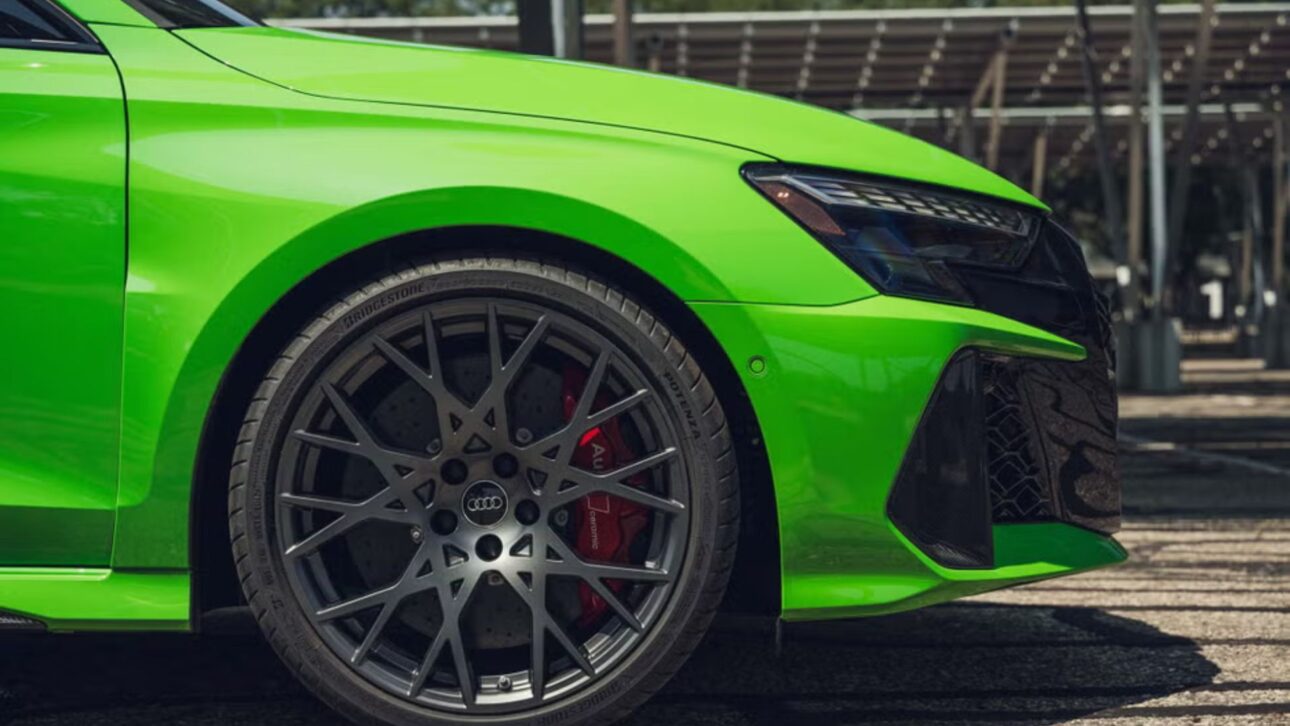
Additionally, the model brings Bridgestone Potenza Sport tires with a new compound “C” — an intermediate option between summer tires and the more radical Trofeo R. Although it has not been tested in the rain, the setup achieved 0.98 g of grip on dry skidpad, surpassing the 0.94 g of the previous generation with Pirelli tires.
Braking, Stability, and Extra Packages
The Dynamic Plus package for US$ 5600 adds a speed limiter of 290 km/h, front brakes of 15 inches with carbon-ceramic discs, and an engine cover in carbon fiber. In tests, the RS3 2025 braked from 70 mph (112 km/h) to 0 in 152 feet (46.3 m), a 15-foot improvement over the previous model.
Straight-Line Performance
The 2.5 turbo five-cylinder engine remains intact. With 401 hp and 369 lb-ft, the RS3 2025 goes from 0 to 60 mph (96 km/h) in just 3.2 seconds, beating the 2022 version’s result (3.3 s). The quarter-mile was completed in 11.7 seconds at 118 mph, and fuel consumption reached an impressive 34 mpg, 5 mpg above the EPA estimate.
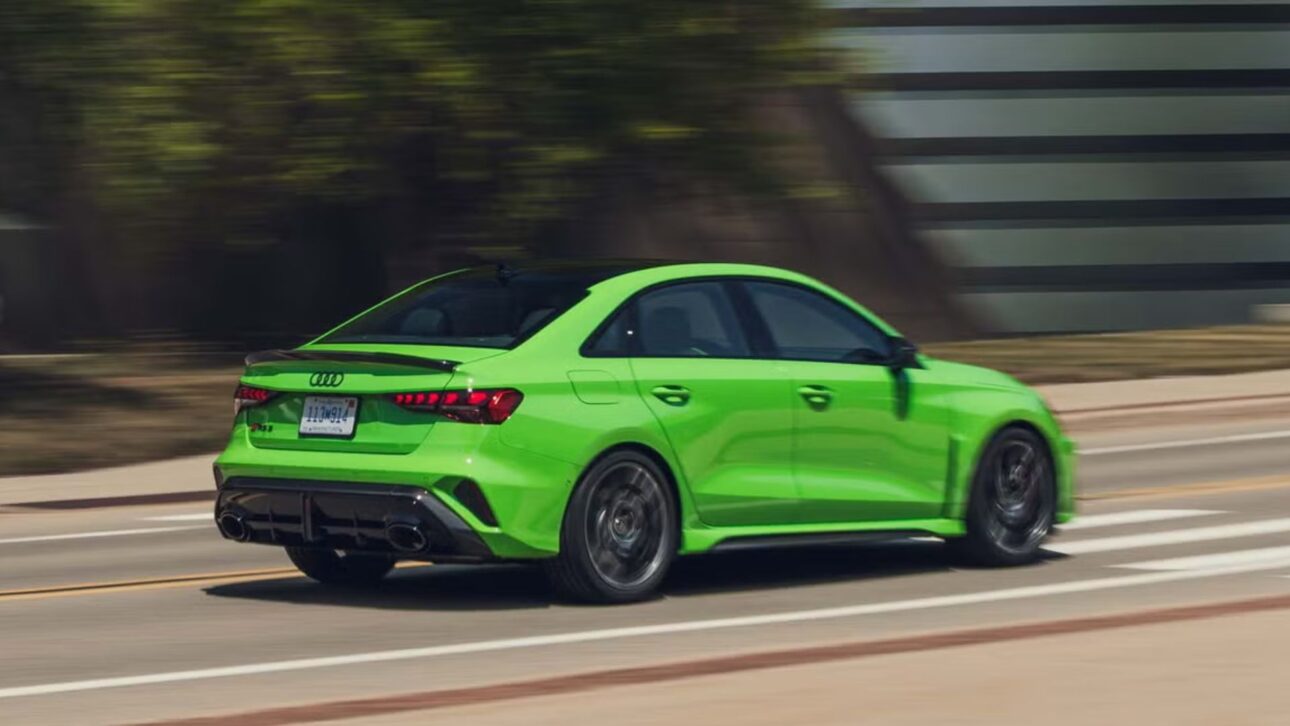
However, the launch control system exhibited thermal limitations, allowing only one full activation at a time. After three attempts, the system refused to engage launch mode.
Noise Levels and Behavior in Different Modes
The RS3 also stands out for its growl. At full acceleration, the noise level reached 81 decibels, rising to 83 dB in the sportiest mode. Still, the dual-clutch transmission proved to be smooth and almost imperceptible in urban use.
Comfort and Drivability
During tests on secondary roads in Spain, the carbon seats proved comfortable and firm, although the North American version remains limited to traditional sports seats, which are less engaging. The adaptive suspensions handled the irregularities well in the softer mode, keeping the car steady without exaggeration.
On the Parcmotor Castellolí track, which is 4 km long with high and low-speed curves, the RS3 demonstrated superior control and precision compared to the previous version. The rear-wheel vectoring system pushes the car out of corners, ensuring solid acceleration even in trajectory errors.
Limit Driving Experience
With ESC Sport activated or in RS Torque Rear mode, the car allows varying levels of slide, but always with refined control. The transmission responds quickly and selects the ideal gear with precision. The combination of software, tires, and differential made the RS3 feel more balanced, yet less skittish.
Summary Technical Specifications
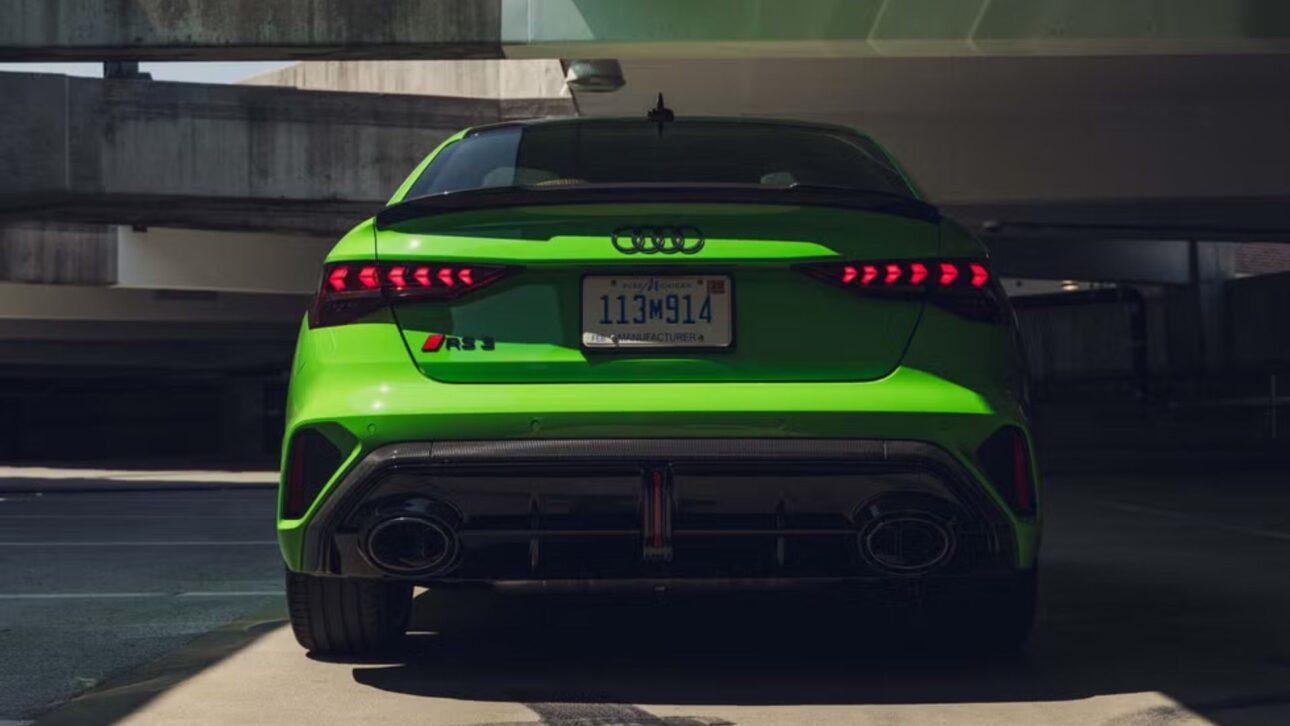
With all-wheel drive, the sedan weighs 1614 kg, measures 4.53 m in length, and 1.42 m in height. The transmission has 7 gears, and the rear brakes measure 12.2 inches. The average fuel consumption is 23 mpg combined. The data was obtained from tests carried out by Car and Driver, using instrumented measuring equipment.
The test data and results were published by Car and Driver on August 4, 2025, with detailed information collected on track, road, and laboratory, including performance, consumption, braking, and dynamic behavior.