






 Portuguese
  Spanish


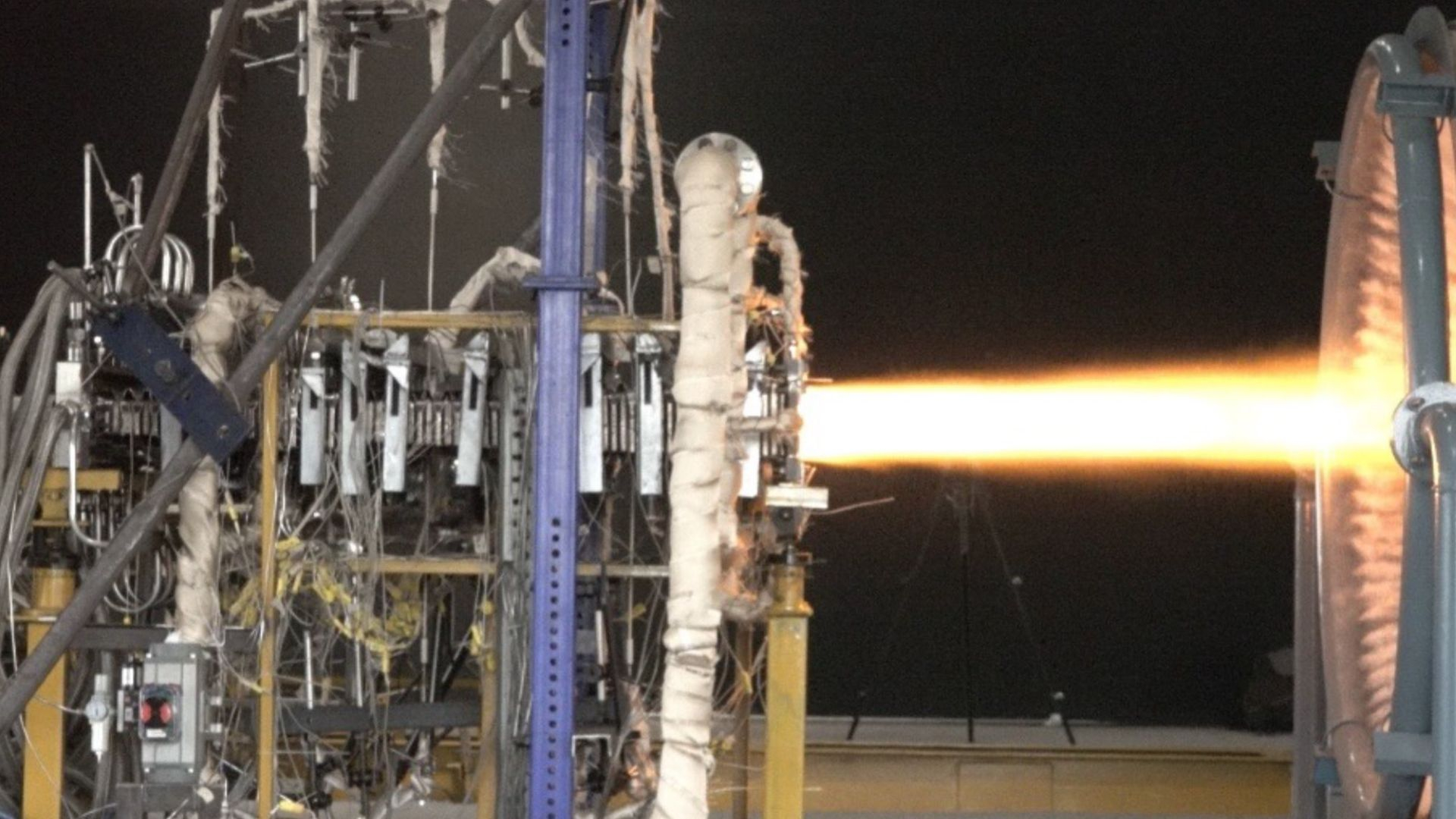

India expanded hypersonic technology tests, achieved 1,200 continuous seconds of scramjet engine operation, and advanced in the development of weapons capable of exceeding Mach 5, strengthening its position in the global race for faster, harder-to-intercept, and strategically relevant military systems.
India concluded a 1,200-second ground test in Hyderabad involving a hypersonic missile engine developed by the Defence Research and Development Organisation. The trial took place on Saturday and marked a significant advance in the country’s hypersonic programs.
The test utilized an actively cooled scramjet combustor at the Scramjet Connect Pipe Test facility, operated by the Defence Research and Development Laboratory. The operating time reached almost twenty minutes, significantly surpassing the previous result recorded in January.
Hypersonic missile engine surpasses previous test
The new test practically doubled the duration of the previous trial, which had slightly exceeded seven hundred seconds. Extending the operational time is considered essential for maintaining combustion stability during prolonged hypersonic flights.
-
China Develops Custom 140-Ton Electric Mining Truck with 770 kWh Swappable Battery, Deploys 290 Units in Xinjiang’s Largest Zinc Mine

-
Meta to Launch Arena, a New Prediction App Targeting 3.56 Billion Users, Competing with Polymarket and Kalshi

-
Scientist Challenges Famous Human Evolution Theory, Argues Homo Sapiens Evolved Gradually Over Thousands of Years
-
15-Year-Old American Builds Ocean Generator with PVC Pipe and 3D-Printed Propeller for $12, Wins National Prize, Presents at White House, and Makes Forbes 30 Under 30 List




Hypersonic cruise missiles can fly above Mach 5 while retaining maneuverability. These characteristics make interception difficult for current air defense networks used in various countries.
According to Indian authorities, the tested system uses active cooling technology to withstand extreme temperatures produced during speeds exceeding five times the speed of sound. The trial took place in a specialized structure for simulating supersonic flows.
Extreme challenges marked development
DRDO scientists stated that one of the biggest challenges was maintaining a stable flame while air passes through the engine at extremely high speeds. The developed system managed to sustain combustion with a flow exceeding 1.5 kilometers per second.
Researchers evaluated different ignition and control methods before choosing the current scramjet configuration. Combustion stability was treated as a decisive factor to prevent power loss at hypersonic speeds.
Another problem encountered involved temperatures above the melting point of steel. To address this, DRDO and Department of Science and Technology laboratories developed an advanced ceramic coating with a thermal barrier.
The Ministry of Defence highlighted that the supersonic engine uses internally produced liquid endothermic fuel. The material was developed by DRDL in partnership with local industry companies.
National fuel strengthens program
Authorities stated that the fuel offers important advantages for hypersonic applications. In addition to improving engine cooling, it also facilitates ignition under extreme operating conditions.
The Ministry of Defence reported that tests conducted at the SCPT facilities validated the design of the actively cooled scramjet combustion chamber. The statement also highlighted advanced manufacturing processes used during technological development.
In recent years, India has continuously expanded its research related to hypersonic technology. Countries such as the United States, Russia, China, and India treat these systems as a strategic priority due to their speed and maneuverability.
DRDO published details of the result after the conclusion of the trial in Hyderabad. The statement classified the hypersonic missile engine test as a relevant advance for Indian aerospace and military technologies.
Military analysts assess that hypersonic weapons could modify future warfare operations by rapidly hitting targets at long distances. The recent performance of the hypersonic missile engine reinforced Indian technological advancements in this sector.






