






 Portuguese
  Spanish
  4 min of reading
  0 comments


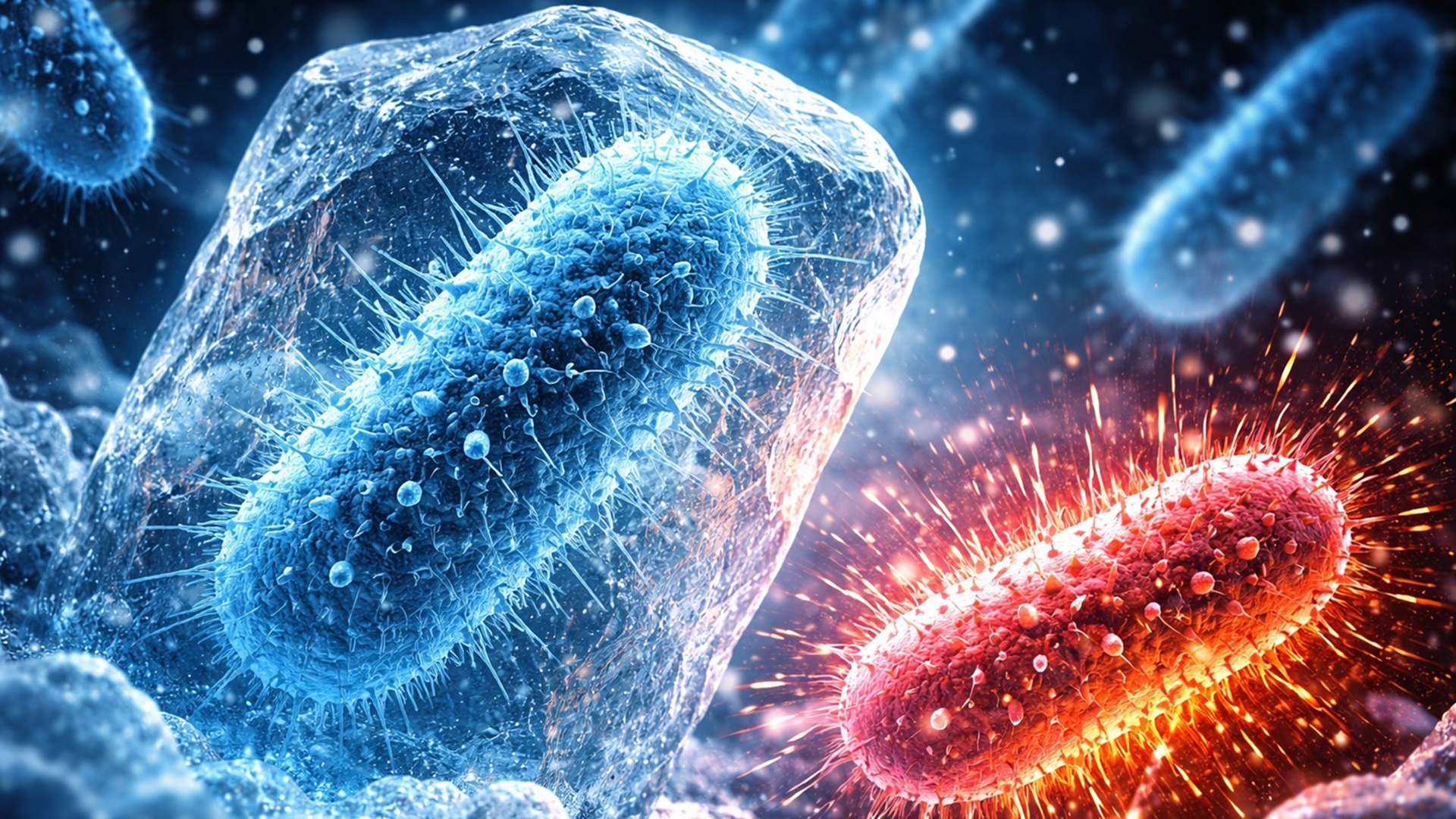
Study Conducted by the Bucharest Institute of Biology Identifies Bacterial Strain Preserved for 5,000 Years in the Scărișoara Ice Cave with Over 100 Resistance Genes, Capable of Inhibiting Superbacteria and Raising Alerts About Genetic Dissemination with Melting
Bacteria frozen for 5,000 years extracted from the Scărișoara Ice Cave in Romania may help combat superbacteria, but also carry over 100 resistance genes, according to a study from the Bucharest Institute of Biology published in the journal Frontiers in Microbiology.
Frozen Bacteria and the Finding in the Scărișoara Ice Cave
The frozen bacteria were identified from a 25-meter ice core taken from the Great Hall of the Scărișoara Ice Cave. The site houses the largest and oldest known perennial ice block in the region.
The research was led by a team from the Bucharest Institute of Biology of the Romanian Academy. The study highlights both the unexplored therapeutic potential and the risks associated with microbes preserved for millennia in cold environments.
-
Helicopter Drops 180 Tons of Sand and Gravel on Swedish River to Revive Ecosystem Damaged by Decades of Exploitation

-
Brazilian Company Launches Retro Smartphone with 48 MP Camera, T9 Keyboard, and Privacy Features for Social Media-Free Use

-
Self-Taught Chinese Farmer Builds 5-Ton Submarine from Scrap, Launches It in Anhui River
-
Invisible Induction Technology Enables Wireless Power for Blenders, Coffee Makers, and Air Fryers, Reducing Countertop Cables





The isolated bacterial strain, named Psychrobacter SC65A.3, exhibits resistance to multiple modern antibiotics. According to microbiologist Cristina Purcarea, the bacterium carries over 100 genes related to resistance.
Despite this, the same strain demonstrated the ability to inhibit the growth of several antibiotic-resistant superbacteria. It also showed enzymatic activities deemed relevant for biotechnological applications.
Antibiotic Resistance and the Evolutionary Game
Antibiotic resistance poses a serious challenge to public health. Bacteria continuously evolve to overcome available treatments, in a process described as a cat-and-mouse game that has been occurring for millions of years.
The genomic analysis of Psychrobacter SC65A.3 identified genes associated with survival in cold environments and antimicrobial activity. Sequencing enabled mapping of characteristics linked to cold adaptation and drug resistance.
Researchers found that the strain was resistant to commonly used antibiotics for treating lung, skin, bloodstream, and other common infections. This reinforces the alert about its potential risk.
Extreme environments, such as ice caves, drive microbial diversity. This genetic adaptation may offer pathways for new antibiotics, but it could also exacerbate the resistance problem if genes are shared.
Therapeutic Potential and Risks of Dissemination
Scientists describe Psychrobacter SC65A.3 as a possible blessing and curse. On one hand, it may provide clues for the development of new antibiotic drugs.
On the other hand, if it resurfaces and spreads, it could share resistance genes with other bacteria. This scenario would broaden the global challenge related to the efficacy of existing treatments.
The Psychrobacter genus includes bacteria adapted to cold climates. Some species are known to cause infections, but many questions remain about their evolution and potential applications.
The development of new antibiotics from this bacterium is not considered to be rapid. However, the process may enhance the understanding of how drug resistance develops and is transmitted between species.
Climate Change and Gene Reservoirs
Researchers discuss that frozen environments may act as reservoirs of resistance genes. With climate change, previously frozen areas are undergoing progressive thawing.
Thousands of tons of dormant microbes are already being observed returning to an environment different from the one in which they evolved. This return raises additional concerns about potential impacts on public health.
According to Purcarea, if melting releases these microbes, their genes may spread to modern bacteria. This could worsen the global challenge of antibiotic resistance.
At the same time, these microorganisms produce unique enzymes and antimicrobial compounds. Such characteristics may inspire new antibiotics, industrial enzymes, and other biotechnological innovations.
Next Steps in Research
The team advocates for more studies to be conducted with microorganisms preserved in ice for millennia. These organisms provide a window to the distant past and possible future applications.
In the article published in the journal Frontiers in Microbiology, researchers emphasize the need to map the taxonomic and functional diversity of microbial life in cold environments.
They also suggest investigating adaptation mechanisms to cold, assessing roles in biogeochemical cycles and climate feedback processes, as well as exploring new taxa with applications in biotechnology and medicine.
The scientific race involves understanding and utilizing these bacteria before they can cause harm. Antibiotic resistance contributes to over a million deaths worldwide each year.
While the global trend is concerning, the study indicates signs of encouraging progress. The 5,000-year-old frozen bacteria simultaneously illustrate risk and opportunity in addressing superbacteria.
Amid advances and uncertainties, the work underscores that the safe harnessing of these lineages requires ongoing investigation. The balance between therapeutic potential and genetic threat remains at the heart of the current scientific debate.





-

-

4 people reacted to this.