Portuguese
  Spanish


Modern and visually lighter solutions begin to replace the old iron bars on windows, allowing for more sophisticated facades, internal environments with greater natural light entry, an enhanced sense of visual comfort, and a property valuation increasingly aligned with the residential architectural trends of 2026
The search for modern facades, residential security, and natural lighting is changing the way many residents view the windows of their own homes. In 2026, the old iron bars begin to lose ground to more discreet, integrated, and visually lighter solutions.
This change occurs because protection is no longer seen just as a physical barrier. Now, it also needs to align with the architectural project, preserve light entry, and maintain a cleaner, more beautiful, and valued facade.
Heavy look of old bars loses space on facades
For many years, metal bars were used as a direct solution to increase home protection. However, this model also created facades with a more closed, heavy, and less harmonious appearance.
-
China’s Engineered Bamboo: The “Material of the Future” Stronger Than Steel and a Sustainable Wood Alternative

-
Egypt’s “New Nile”: 170 km Artificial River Aims to Turn Desert into Farmland, but Water Supply Concerns Loom
-
Unable to secure a mortgage as a self-employed single mother, she designed her own floating home from a 20-meter boat and now lives “off-grid” with her two children and solar panels on an English canal.
-
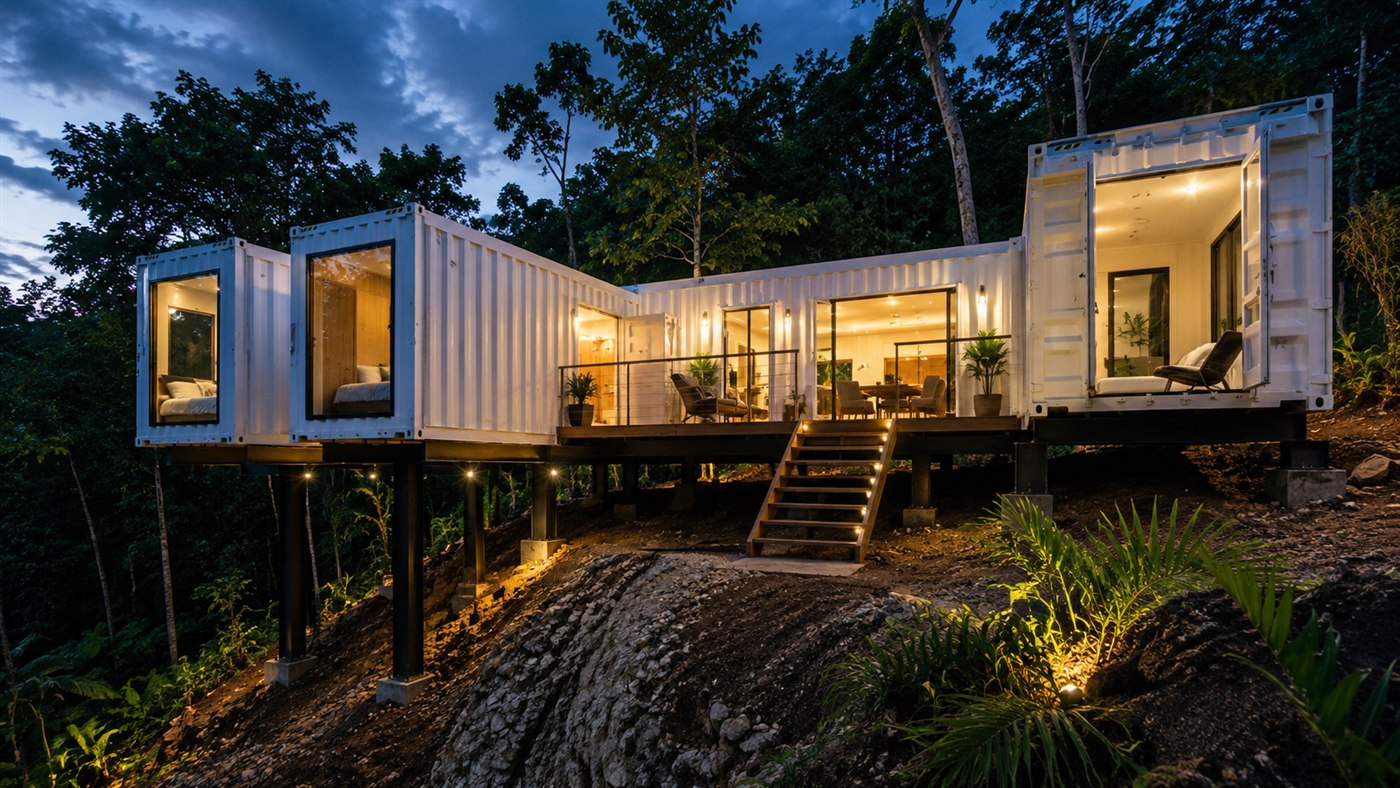
Man Transforms Rusty Shipping Container into Luxury Home with Insulated Walls, Large Windows, and Drywall Finish, Surprising Onlookers



As a result, many homeowners have sought alternatives that maintain the sense of security without hiding doors, windows, cladding, and other details of the property. In this way, the house gains a more current and pleasant visual identity.

Natural lighting changes the perception of indoor environments
Removing dense structures from windows favors the entry of natural light into rooms. Previously dark environments start to appear more spacious, lively, and integrated with the outdoor area.
In practice, this brightness also enhances furniture, coverings, and colors used in decoration. Therefore, the window ceases to be just a point of protection and starts to play an important role in the visual comfort of the residence.
Among the main perceived effects are:
• Greater sense of spaciousness in indoor environments
• Better appreciation of the house’s colors and finishes
• More harmonious integration between interior and exterior
• Reduction of the closed appearance caused by traditional grilles
Renovated facade can increase property value
The facade serves as the first visual contact between the property and any visitor, buyer, or pedestrian. For this reason, a cleaner and more modern appearance can directly influence the perceived value of the residence.
Properties with windows more integrated into the architectural design tend to stand out better in advertisements and future negotiations. Thus, visual modernization can also strengthen the interest of buyers seeking safety, aesthetics, and comfort in the same project.
First impression reinforces care, harmony, and sophistication
A house with a lighter facade conveys a sense of care at first glance. Without the excess of heavy metal structures, the property better demonstrates its lines, colors, and proportions. In this way, the trend for 2026 shows that safety and beauty can go hand in hand.
What do you think? Is it possible to protect, illuminate, enhance, and at the same time maintain a modern and innovative facade?