Portuguese
  Spanish


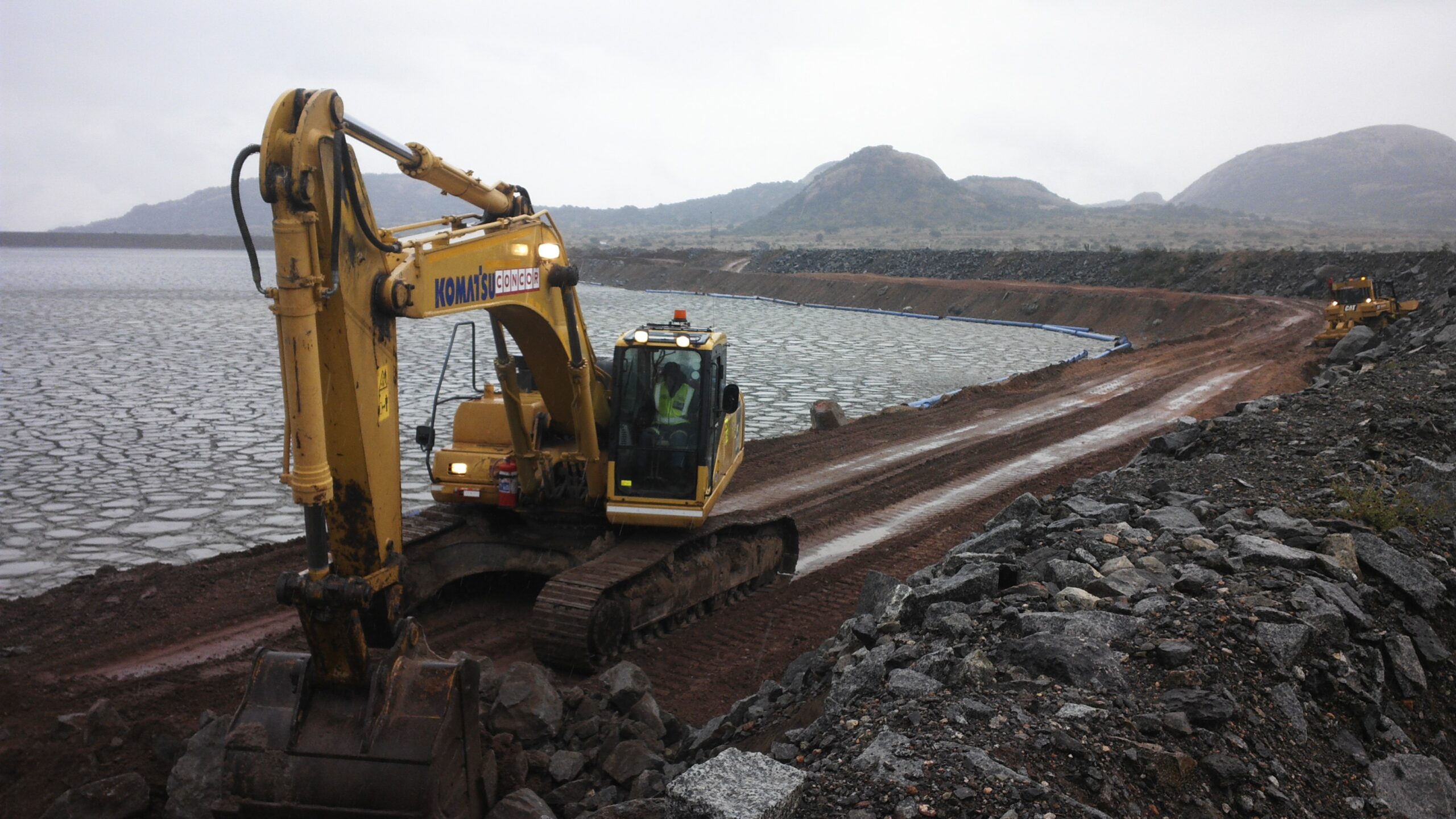


The Platreef mine in northern South Africa is becoming the largest precious metals operation under construction on the planet due to a rare geological anomaly: the ore layer there is 26 meters thick, about 25 times thicker than common platinum mines in the country, and this changes everything in the way the metal is extracted from the ground.
The milestone that unlocked the project was the entry of the third shaft. With Shaft 3 ready to hoist, announced at the end of March, the capacity to bring ore to the surface jumps from 0.8 million to about 5 million tons per year, a fivefold increase. The project owner is Ivanhoe Mines, led by veteran Robert Friedland, who describes the deposit as a geological wonder, in his words, twenty-five times thicker than traditional competitors.
A layer 25 times thicker than normal
To understand why this excites so many people, it’s worth remembering what traditional South African platinum is like. The country’s classic mines chase narrow veins, sometimes less than a meter high, forcing miners to work lying down in tight galleries. The Platreef ore body, named Flatreef, is the opposite: a flat, thick slab that allows the use of large machines, conveyors, and mechanized equipment, as if it were basement mining instead of a labyrinth.
The location couldn’t be better. The Bushveld Complex, where Platreef fits, is the world’s largest reserve of platinum group metals. It is a rock structure formed about two billion years ago when magma poured from the depths cooled in stacked layers. Most of the world’s platinum and palladium comes from there. Platreef just happened to get one of the thickest slices of this formation, turning a geological privilege into an industrial advantage.
-
Eni Acquires 25% Stake in Chilean Lithium Project, Plans to Invest Up to $225 Million in Eco-Friendly Extraction Method

-
Brazil to Issue “Panda Bonds” in China, Aiming to Raise Up to 5 Billion Yuan at Lower Interest Rates Than Dollar Debt
-
NATO Faces Internal Tensions as U.S. Pushes for Increased Defense Spending, Targeting 5% of GDP by 2035, with Warnings for Countries Near 2% Level
-
Brazil to Introduce B16 Diesel with Increased Soybean Oil Content for Trucks by 2026
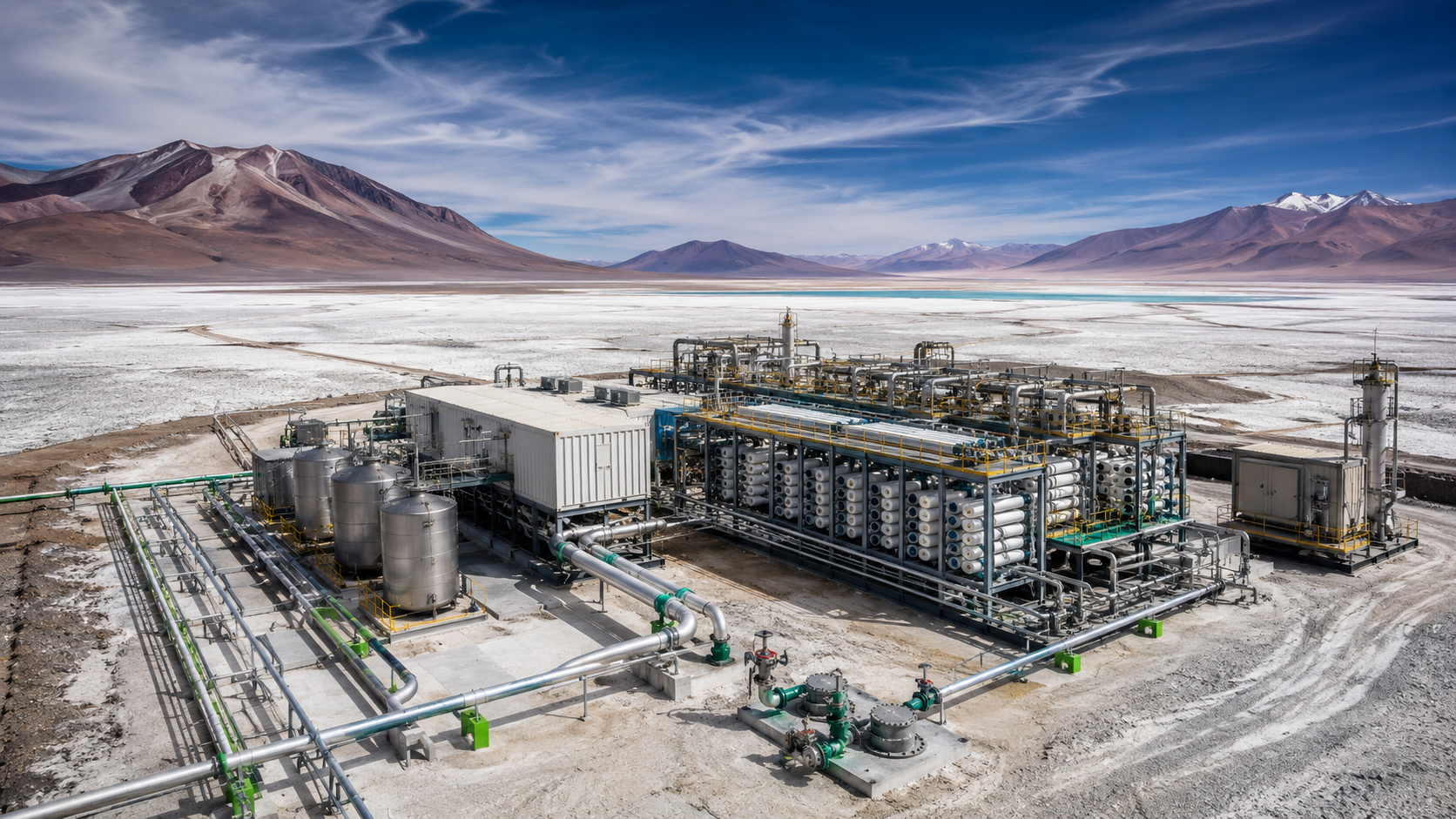


The opposite of South Africa’s labyrinth mines
This difference is not a detail. South Africa’s deep mines are some of the most extreme and dangerous on the planet. We’ve already mentioned here the case of Mponeng, the deepest mine on Earth, which descends more than 4,000 meters and faces 60-degree heat. Platreef operates at much shallower depths, at levels of 750 and 850 meters, and since the ore is thick and mechanizable, the economics work out in a way that no narrow mine can match.

Cheap platinum in a world chasing it
It’s in the cost that the story becomes interesting for the rest of the world. Platreef projects to extract the set of platinum, palladium, rhodium, and gold at around 511 dollars per ounce in the more mature phases, while the basket of these metals is traded near 2,500 dollars. With 93 million ounces of platinum equivalent already indicated underground, the mine aims for the position of the lowest-cost primary producer on the planet.
This matters because these metals are not luxury, they are gears. Platinum and palladium clean car exhausts, are used in electronics, and are central bets for hydrogen cells that many see as the fuel of the future. Today the supply is concentrated in few hands, mainly South Africa and Russia, and any new large-scale mine shakes the board, just as countries fight for deposits of critical minerals to escape Chinese dominance.
I confess that what hooks me here is not the shine of the metal, but the geology. I imagine the chance of two billion years ago that stacked such a thick layer of wealth in one place, and how a thicker-than-normal slice of rock can reshape who controls the market for a metal the whole world competes for.
Does it make sense for the entire planet to depend on a handful of mines for a metal as crucial as platinum?