






 Portuguese
  Spanish
  3 min of reading
  0 comments


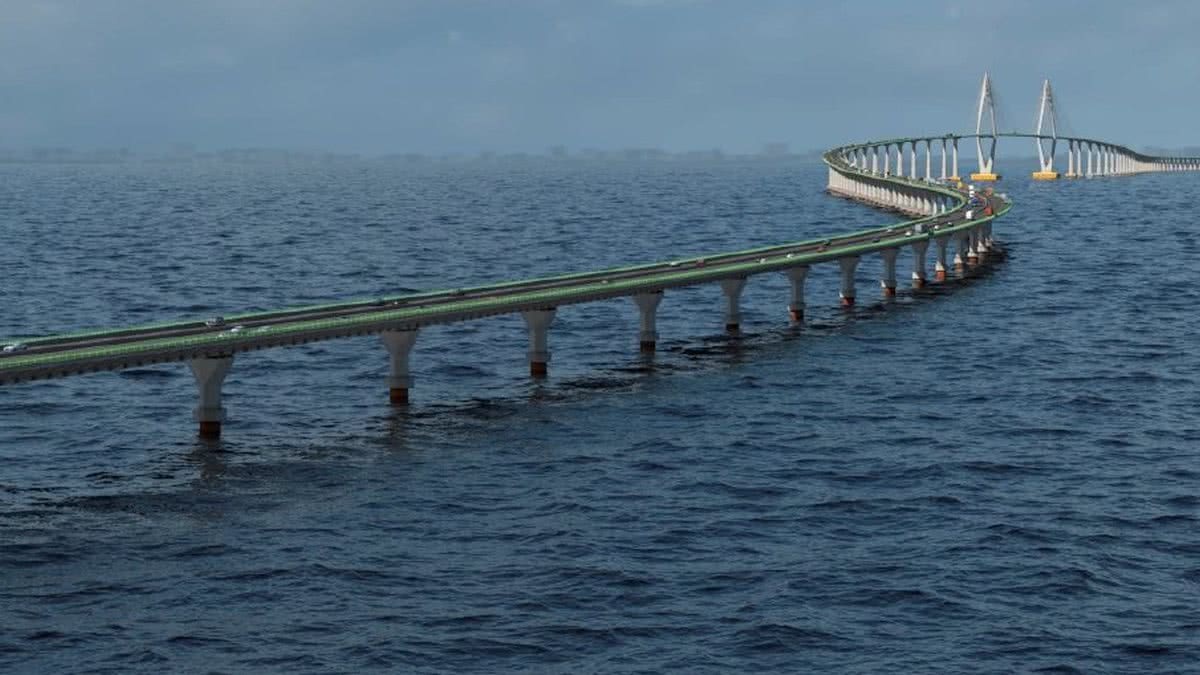
Bahia Government Confirms Start of Works in Up to 12 Months and Highlights Economic and Social Impacts of Infrastructure Project
On June 4, 2025, the Bahia Government signed a new contract for the construction of the Salvador-Itaparica Bridge. The signing took place during a meeting with the Minister of the Civil House, Rui Costa, and the Chinese Ambassador to Brazil, Zhu Qingqiao.
The project went through several technical and legal stages. The government’s forecast is that the works will begin within 12 months.
This advancement marks a new chapter for Bahia’s infrastructure. The bridge will be one of the largest road interventions ever carried out in the state.
-
Giant project connecting Salvador to Ilha de Itaparica advances in Bahia with authorization for the land phase, linear support platform in Vera Cruz, investment over R$ 10 billion, 12.4 km of extension over the sea, and a structure ten times larger than the Ponte de Guaratuba.

-
Houses made from recycled plastic begin to materialize in Amazonas: government opens pre-registration for vulnerable families, promises free 50 m² homes, and transforms plastic waste into eco-friendly blocks for rapid construction.

-
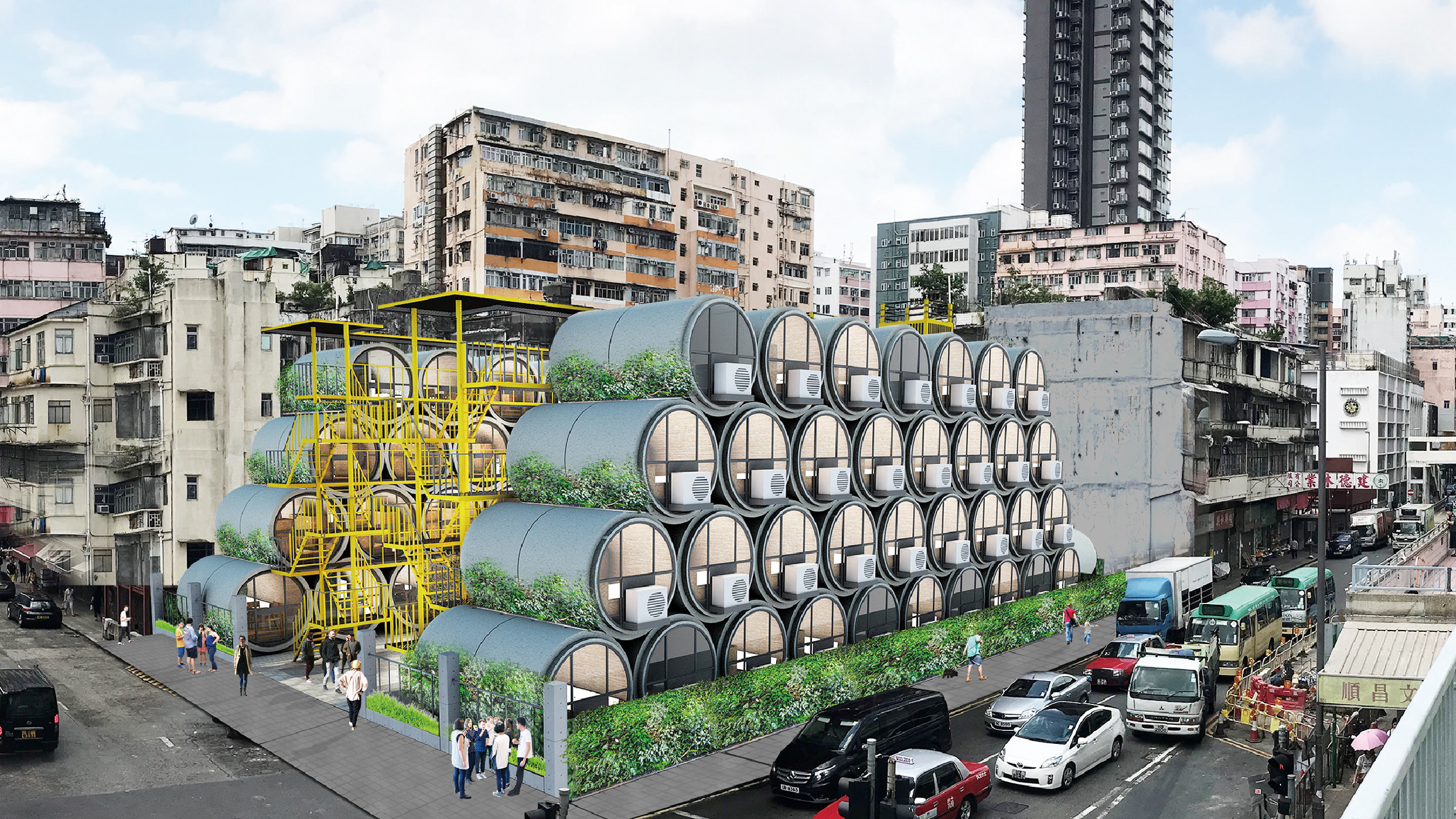
Giant concrete tubes become futuristic micro-apartments in Hong Kong, with a diameter of 2.5 meters, 9.29 m² of internal space, and a proposal to fit homes where the city almost has no more space to live.

-
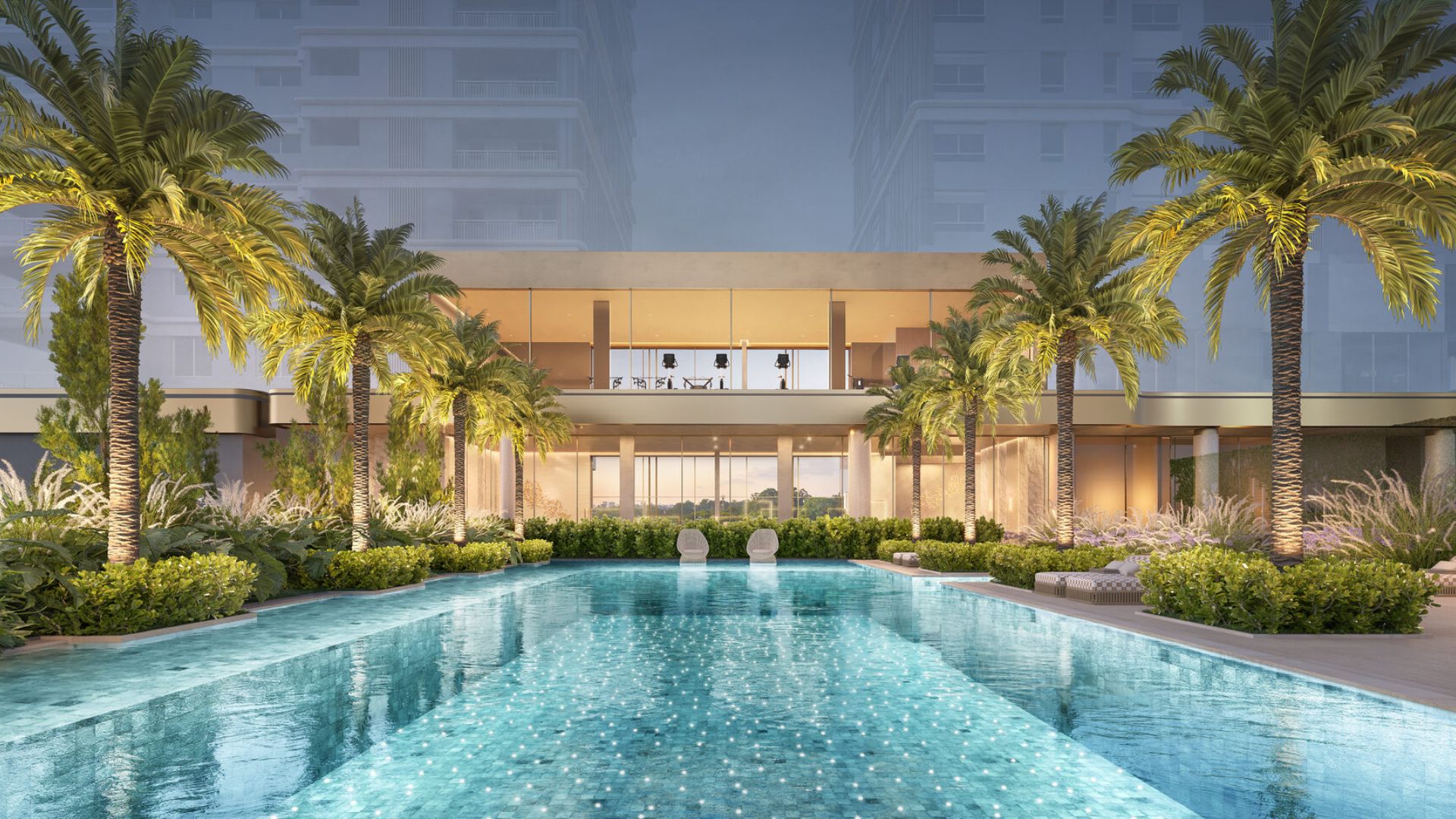
The La Galerie Nortis, a real estate launch by developers Cyrela and Nortis in Moema, São Paulo, arrives with apartments featuring 4 suites ranging from 283 to 416 square meters, an estimated gross development value of R$ 765 million, and the proposal to redefine the high standard in the region.


Moreover, the contract was made possible after mediation led by the Bahia State Court of Auditors (TCE-BA). The agency ratified the new agreement, allowing for the resumption of executive planning.
Consequently, the next steps include the development of the detailed project and the preparation of the construction sites in Salvador and Vera Cruz.
New Phase of the Project Is Result of Negotiations
The contract took months to be accepted by all parties involved. The formalization occurred after mediation by the TCE-BA and approval of a new execution model.
According to the state government, over 20 Bahia companies participated in the soil survey. The company completed this phase in April of this year, investing R$ 200 million.
Simultaneously, the Federal Senate authorized a loan of up to US$ 150 million, approximately R$ 800 million. The amount will be used in the project’s guarantee fund.
The Salvador–Ilha de Itaparica Concessionaire estimated the total cost of construction at R$ 11 billion. The amount will be financed through a Public-Private Partnership (PPP).


Complete Road System Will Connect Salvador to Ilha de Itaparica and Should Boost Tourism and Investments
The bridge will be 12.4 kilometers long over the sea. It will be the largest in Latin America, according to the responsible concessionaire.
The project also includes five key segments for regional mobility. The first encompasses the road accesses in Salvador.
The second is the bridge itself. The third integrates the arrival of the structure to Ilha de Itaparica.
The fourth segment includes the construction of a new road variant at the Mar Grande detour. Finally, the fifth addresses the recovery of BA-001, linking Cacha Prego to the Funil Bridge.
With this, the Bahia Government aims to establish a new logic of mobility, tourism, and development. The connection between the capital and the Recôncavo is expected to facilitate product flow and attract visitors.
Foreign Investment and International Partnership Mark New Stage of Brazil-China Integration
The announcement, for instance, featured the presence of Ambassador Zhu Qingqiao, which, therefore, reinforces China’s strategic involvement in the project.
Furthermore, bilateral cooperation is not limited to financing; it also significantly encompasses technology transfer and diplomatic strengthening.
During the ceremony, Rui Costa emphasized that the bridge will, thus, be the largest physical symbol of economic integration between Brazil and China.
The project, consequently, is expected to boost tourism and, at the same time, attract new investments, with an estimated generation of around seven thousand direct jobs.
Construction of the Bridge Represents Historical Milestone
Governor Jerônimo Rodrigues emphasized that, in addition to directly benefiting 10 million Bahians, the bridge will also positively impact around 250 municipalities.
Although the start of the works is expected within the next 12 months, it is important to highlight that the advancement represents the largest transformation of Bahia’s infrastructure in decades.
The Salvador-Itaparica Bridge, therefore, not only connects distinct regions, but also has the potential to boost the economy through tourism and job creation.
As the mobilization of construction sites advances gradually, the executive project, in turn, is already in the final stages of technical elaboration.
Through a PPP, the public sector and the private initiative will act in an integrated manner, prioritizing both sustainability and structural and technological innovation.




Be the first to react!