






 Portuguese
  Spanish


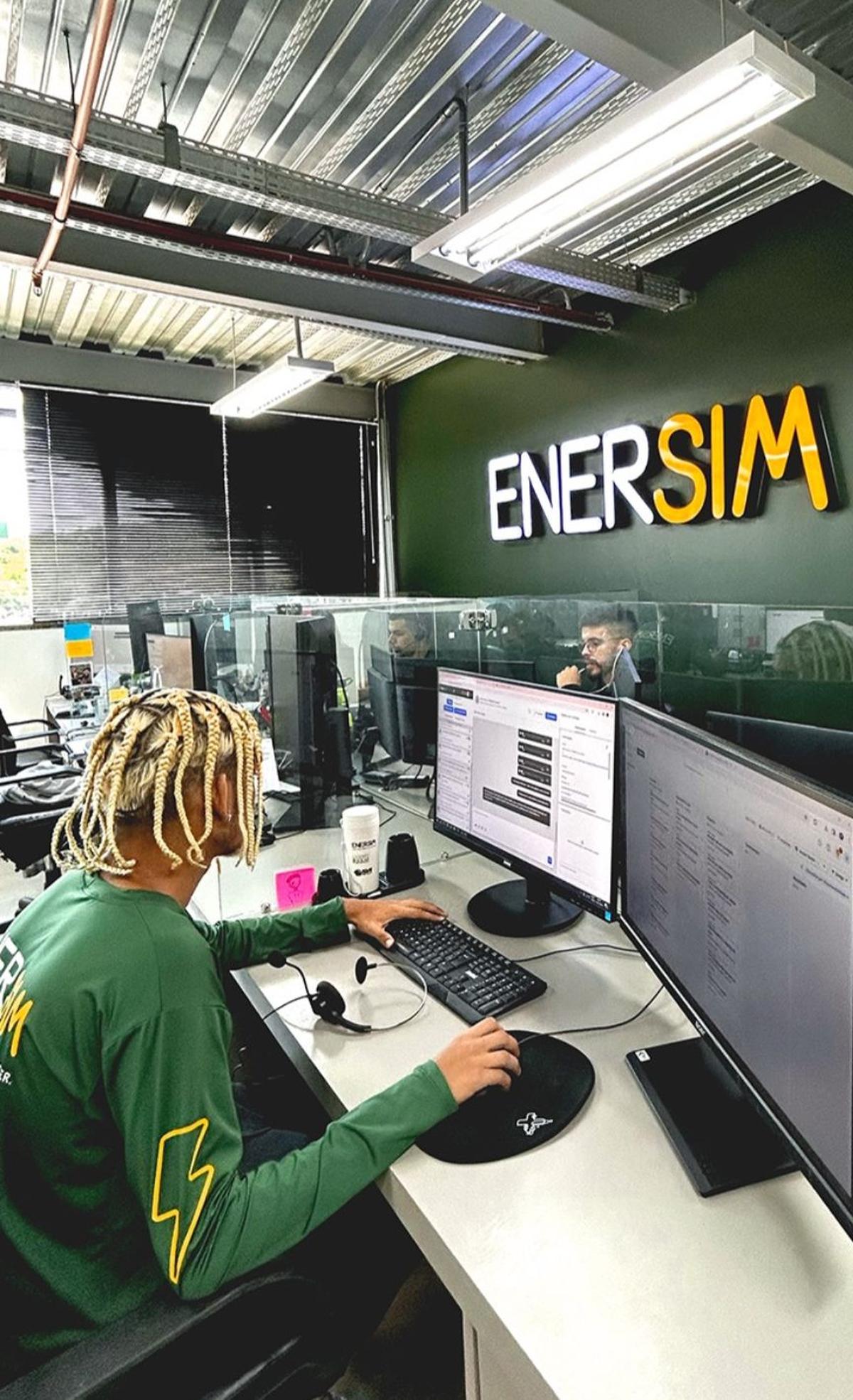

Consumers From Mato Grosso Find Alternative Against High Electricity Tariffs
Starting in August 2025, the red flag was activated by the National Electric Energy Agency (ANEEL). As a result, electricity became more expensive across the country. The additional fee of R$ 4 for every 100 kWh consumed is already straining the budgets of thousands of Brazilian families. In Mato Grosso, this impact is even greater, as consumption increases during the drought and high temperatures, which typically extend from July to September.
Increase in Energy Costs and Impact on Families
According to estimates from the electricity sector released in August 2025, a family of five consumes, on average, 700 kWh per month. Thus, in just three months under the red flag, the increase can exceed R$ 100. This amount, although it may seem small in isolation, directly pressures the fixed costs of Brazilian families, who are already struggling to balance their budgets.
Moreover, it is important to highlight that the unpredictability of the tariff flags, which are often activated during drought periods, makes it even more challenging for consumers to control their expenses.
-
Brazilian scientists are simultaneously advancing two research projects on clean hydrogen and driving solutions that could transform the energy matrix, enhance industrial competitiveness, and accelerate large-scale emission reduction targets.

-
Advancement in renewable energy: A R$ 150 million project launched by Petrobras and Finep aims to create state-of-the-art electrolyzers for green hydrogen, strengthening national research and preparing Brazil to compete in a billion-dollar energy market.
-
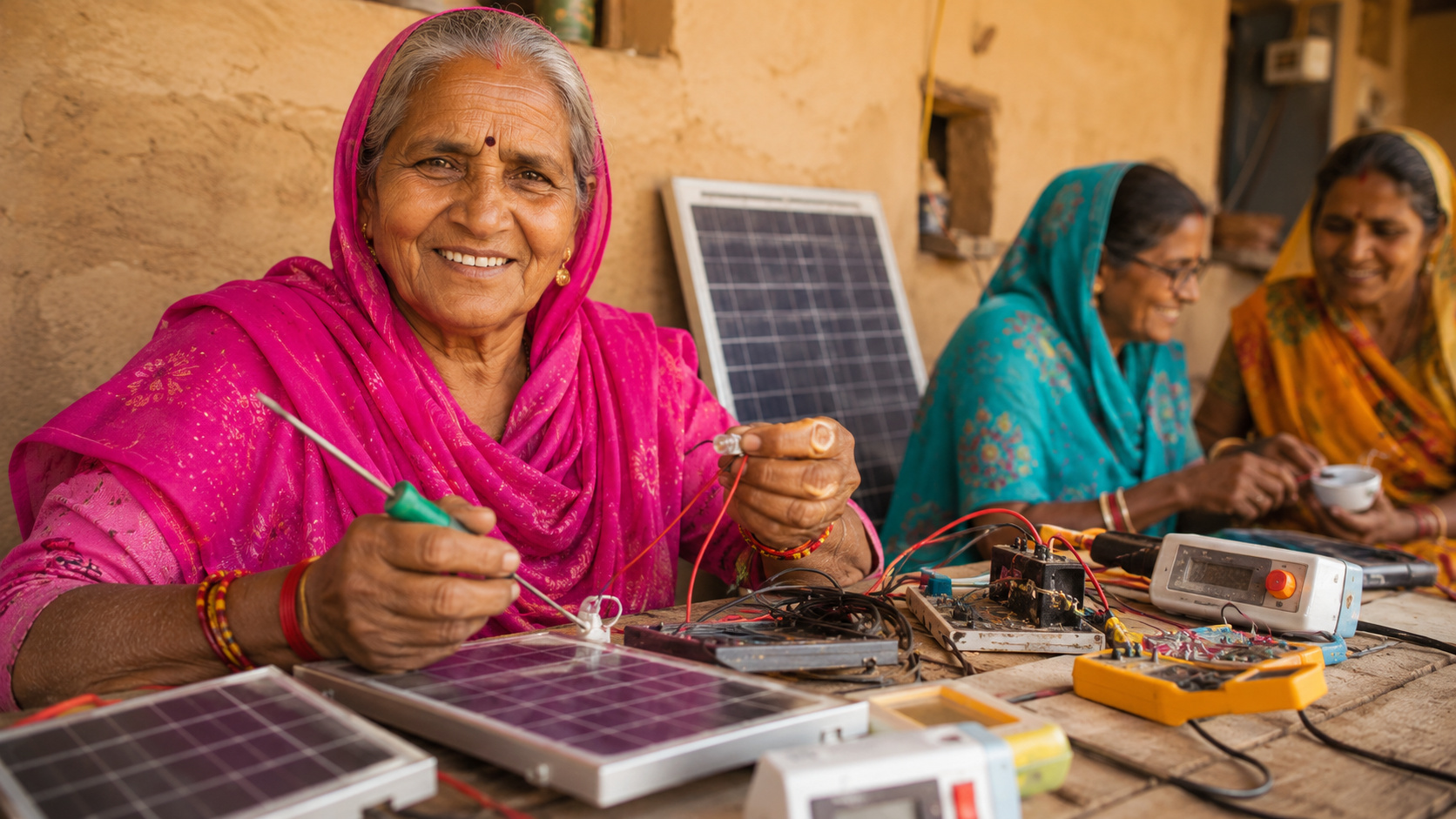
Illiterate or semi-literate grandmothers were trained to repair solar systems, open rural workshops, and light up homes that still depended on kerosene.
-
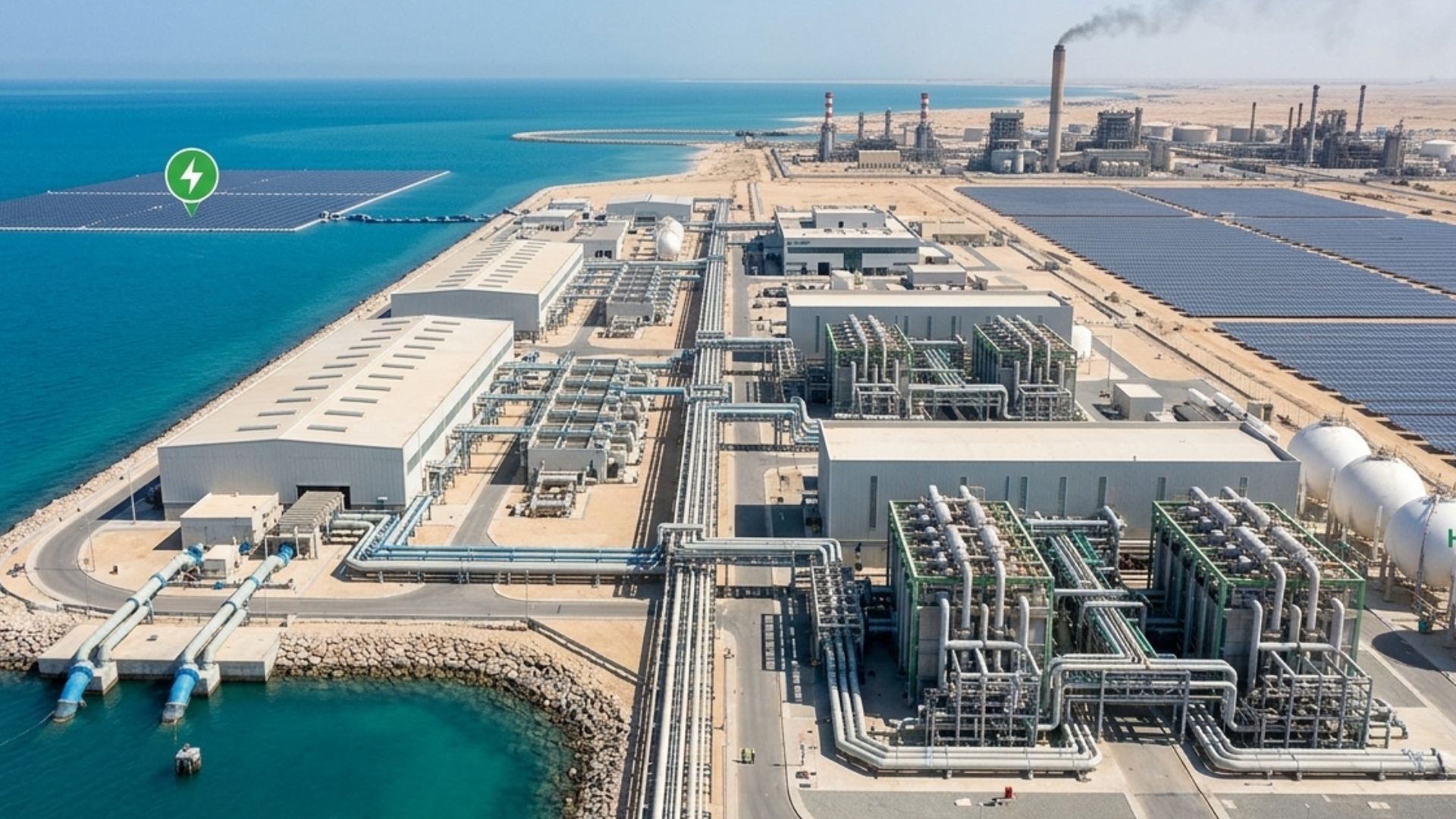
The world has bet on green hydrogen as the fuel of the future, but now faces the side effect: producing 1 kilogram requires about 9 liters of ultrapure water, and the largest projects on the planet are precisely in the driest regions of the Earth, where water is already scarce for people.



Savings with Enersim’s Shared Generation System
However, Enersim’s members do not suffer from this direct impact. This happens because, by joining the company’s shared generation system, consumers are exempt from the yellow and red flags. Additionally, they still guarantee discounts of up to 20% on their monthly electricity bill.
As explained in an interview in early August by Enersim’s director, Tiago Vianna, “Enersim’s differentiation lies in the predictability and real savings that the system provides. Even in a scenario of rising tariffs, our members keep their costs controlled, without surprises on their electricity bills”.
Therefore, in a scenario of high tariffs, the shared generation model is consolidating as a viable alternative, especially for residential consumers and small businesses.
Additional Benefits for Member Consumers
In addition to direct savings on their electricity bill, Enersim provides its members with a complete digital platform for consumption and billing management. Through the website or app, customers can:
- Track how much was paid to the distributor;
- Check how much was directed to Enersim;
- Review the monthly savings amount and the total accumulated over time;
- Issue duplicate bills;
- Update registration information and contracts;
- Refer friends to the program, with bonuses of up to R$ 100 for each referral.
In this way, the company not only ensures financial predictability but also offers greater transparency in tracking electricity consumption.
Sector Context and Relevance for Mato Grosso
According to data from ANEEL released in July 2025, Mato Grosso is one of the states that suffers the most from the effects of drought on electricity demand. Therefore, the impact of the red flag is stronger. Thus, the adoption of shared generation models like Enersim’s emerges as a competitive and sustainable alternative for local consumers.
Furthermore, considering the instability of the Brazilian electricity sector, with frequent tariff fluctuations, the predictability offered by Enersim becomes a strategic differential.
Based on official ANEEL data and statements from Tiago Vianna, Enersim’s director, in August 2025, it is evident that consumers participating in the shared generation system can escape increases and keep their household budgets under control.
In light of this, in a scenario of constant tariff uncertainty, the inevitable question is: who wouldn’t want to keep energy costs under control even during red flag times?









