Portuguese
  Spanish




Understand How the Green Lobby Influences Climate Policy in Brazil and Shapes Decisions About Energy, Sustainability, and Sustainable Development.
In Brazil, the discussion about climate policy in Brazil is deeply tied to the interactions between the public sector and private interests. Moreover, the word “lobby” often generates distrust, being associated with corruption or favoritism of economic elites.
However, recent studies show that lobbying is part of the political process and significantly influences how energy and climate policies are designed and implemented. Thus, the corporate lobby, especially in the bioenergy sector, plays a strategic role in constructing the narrative of Brazil’s energy transition.
Historically, the bioenergy sector, linked to agribusiness, has been influencing public policies since the 1970s, with the launch of the National Alcohol Program (Proálcool). Additionally, entities like Copersucar actively shaped incentives for ethanol production, demonstrating how companies shaped state decisions.
-
Fired during apartheid and with a little borrowed money, an electrician started with a borrowed truck and transformed electrical services into a group connected to energy, real estate, and infrastructure in South Africa.

-
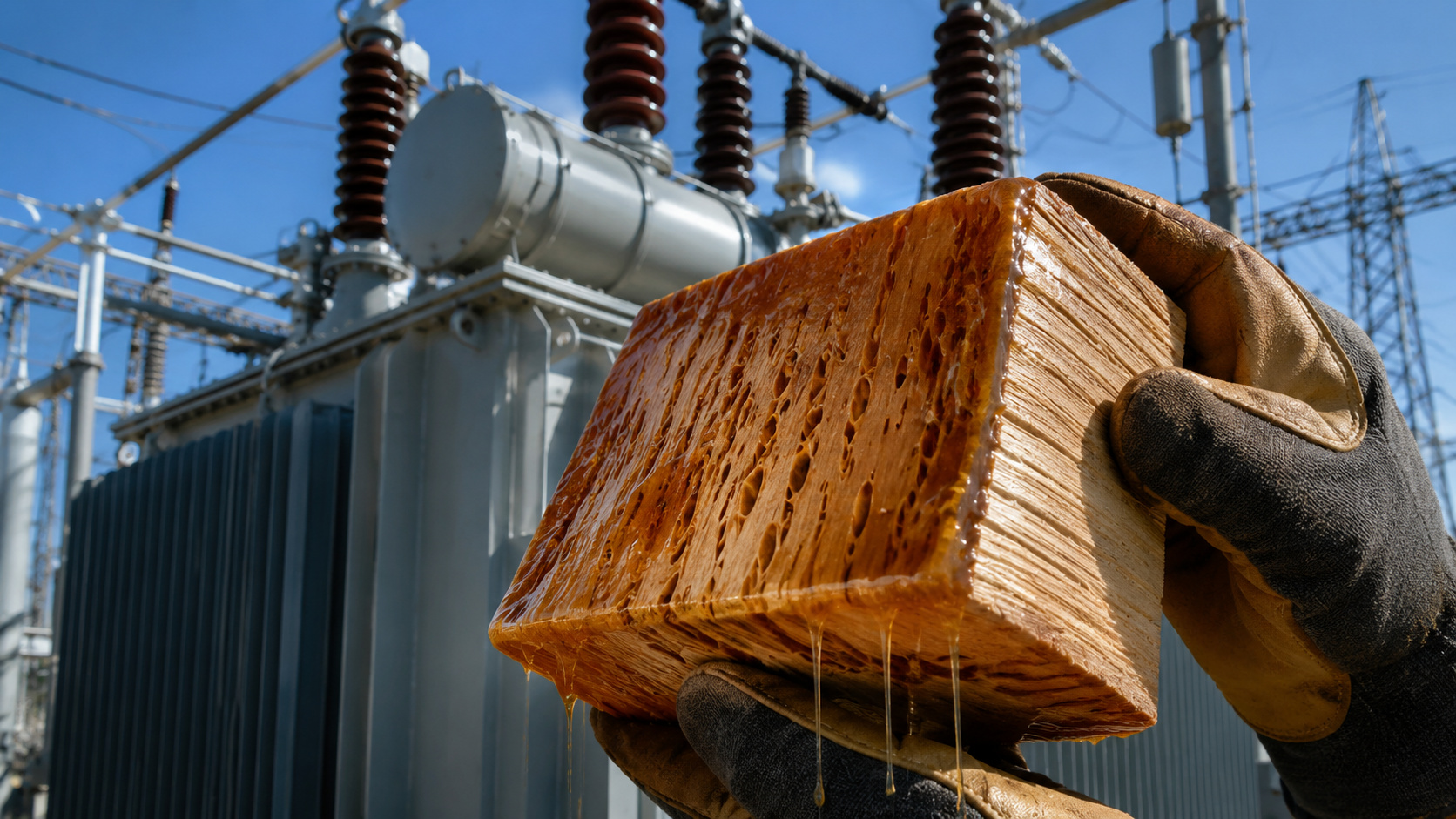
Wood has ceased to be just a construction material in Yale research and has become insulation for electrical transformers that face intense heat, aging, and increasing pressure from the renewable energy-powered grid.
-
More than 1,000 residents of a remote island in Kiribati now have clean water and electricity with solar systems operated by the community itself.
-
Ceará brings together 7 giants and R$ 66 billion to transform Pecém into the largest green hydrogen hub in Brazil, with final decisions expected by the end of 2026.




Consequently, this history reveals that the relationship between private interests and climate policy in Brazil is not recent, but has adapted to new environmental and technological challenges.
Furthermore, the historical context shows that the link between economic power and energy policy is a structural trait of the Brazilian system. Therefore, the accumulated experience has allowed strategic sectors to learn how to use their influence capabilities in an organized and efficient manner. This continues to this day, thereby influencing sustainability, innovation, and competitiveness agendas.
The Role of the Corporate Lobby in Bioenergy
Since the 2000s, companies and associations like Unica have started to systematically articulate public policies, securing subsidies, defining regulations, and promoting strategic programs such as RenovaBio. Thus, these efforts consolidated bioenergy as a central axis of climate policy in Brazil, positioning the country as one of the world leaders in biofuel production.
Moreover, these actions created an image in which the sector appears as a solution for sustainability, energy security, and rural development. However, not all initiatives by the corporate lobby are neutral. Therefore, social and environmental organizations frequently criticize the impacts of agribusiness advancement on land use, biodiversity, and labor conditions in rural areas.
Consequently, this tension highlights that the sustainability discourse coexists with interests that reinforce inequalities and perpetuate traditional power structures. Thus, recognizing these contradictions is essential to understanding the complexity of climate policy in Brazil and the challenges of building a democratic and inclusive energy transition.
Besides the bioenergy sector, other emerging renewable energy segments, such as solar and wind, face challenges to consolidate as protagonists in national climate policy. Therefore, corporate influence and the lack of a structured lobbying tradition explain the relative slowness in broader public policies.
Corporate Political Activity and Transparency
Researchers analyzed over a decade of documents from governments, non-governmental organizations, media, and corporate reports. Thus, they showed that bioenergy companies act as political actors capable of influencing norms, laws, and narratives, not just as economic agents.
Thus, this approach, called corporate political activity, allows understanding how lobbying can both drive sustainable policies and hinder necessary structural changes for environmental protection.
Corporate reports emphasize commitments to ethics, compliance programs, and ESG practices. However, the gap between discourse and political practice still persists. Additionally, many companies use associations and informal channels of influence to avoid direct exposure.
For example, the electoral donations of sugar-energy groups investigated by Operation Lava Jato exemplify the overlap between lobbying, political financing, and capture of public decisions. Thus, the lack of an effective lobbying law limits social participation in climate policy in Brazil.
Another relevant point is that investment in strategic communication allows building narratives of legitimacy. Thus, by presenting their actions as sustainable and innovative, companies consolidate a positive image in society and indirectly influence public policies. This shows that modern lobbying is not restricted to formal contacts, but also includes managing public perception.
Caucuses and Historical Influences in Climate Policy
The role of the Rural Caucus, known as the ruralista bench, is central in this scenario. Thus, this caucus acts as a political formulation nucleus of agribusiness within the National Congress, reflecting historical patterns of patrimonialism and corporatism.
Additionally, classic references of Brazilian political sociology, such as Sérgio Buarque de Holanda and Raymundo Faoro, help to understand how the overlap between public and private spheres shapes national politics.
These structural patterns explain why strategic decisions about the country’s climate future continue to occur under strong corporate influence, with little transparency and limited social participation. However, bioenergy also presents itself as a case of technological innovation and decarbonization, consolidating ethanol and other biofuels as a national reference in energy efficiency and sustainability.
It is worth noting that the consolidation of the bioenergy sector results not only from public policies but also from continuous investments in research, development, and technological innovation, creating a highly competitive and internationally recognized productive chain.
Reconciliation Between Innovation and Ethical Governance
The debate on climate policy in Brazil must balance the recognition of the relevance of corporate lobbying with demands for transparency, accountability, and ethics. Thus, lobbying, in itself, is neither good nor bad, but when it occurs without oversight and social participation, it compromises democracy and the effectiveness of public policies.
Therefore, building clear governance mechanisms and strengthening channels for social participation are fundamental steps to ensure that the energy transition is inclusive, fair, and sustainable.
Historically, Brazil has the capacity to lead climate and energy agendas. Moreover, the combination of abundant natural resources, such as sugarcane, forests, and hydro potentials, along with cutting-edge technologies, places the country in a strategic position to promote low-carbon solutions.
However, this leadership depends on a transparent regulatory environment, clear lobbying rules, and the integration of different sectors of society in the debate on climate policy.
The strengthening of academic institutions and research centers also contributes to generating critical and independent knowledge about energy and climate policy. Thus, this knowledge guides political decisions and assesses socio-environmental impacts, promoting greater balance between private interests and public well-being.
Paths Towards a More Democratic Climate Policy
The study on green lobbying and climate policy in Brazil highlights that strategic decisions for the energy future occur in a context of corporate, historical, and political interests. Consequently, understanding these relationships allows for creating an informed, critical, and transparent debate on the energy transition.
By recognizing the role of lobbying as part of the political process and demanding corporate accountability, Brazil can advance toward more democratic, effective climate policies aligned with global sustainability goals.
The country has the potential to establish itself as a reference in bioenergy and renewable energies. However, this path demands a balance between technological innovation, ethical governance, and social participation. Only then can the climate policy in Brazil truly reflect public interests, promoting a sustainable, inclusive, and resilient future.