






 Portuguese
  Spanish
  6 min of reading
  3 comments


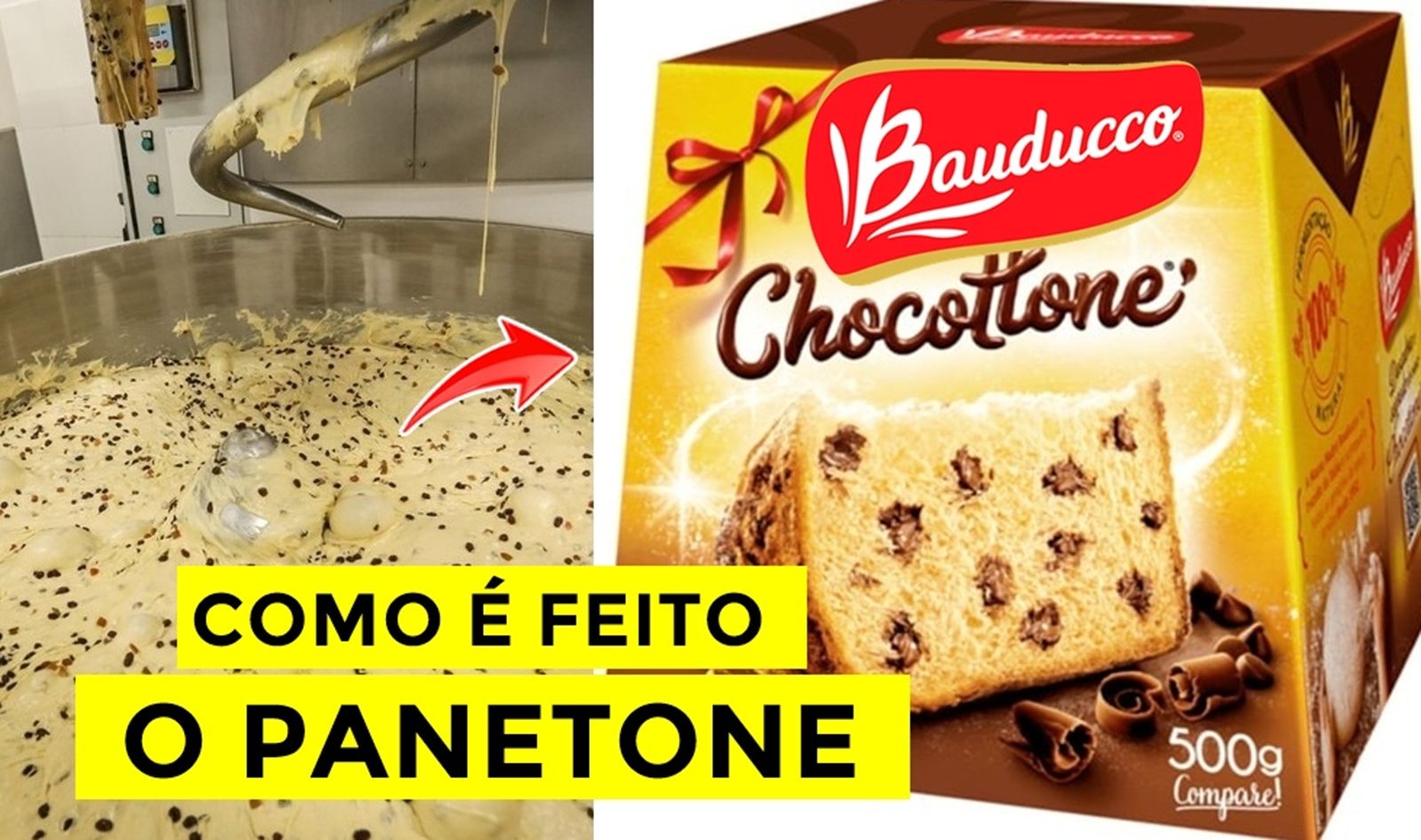


The Trajectory Started By Carlo Bauducco In Brás, In 1952, Evolved Into An Industrial Structure That Produces Panettone In Cycles Of Up To 54 Hours, Operates 24 Hours A Day In 52 Thousand M², Uses Natural Yeast Kept For 65 Years And Exports To More Than 50 Countries Every Year
Bauducco produces 80 million panettone and chocottone each year, exports to more than 50 countries, and concentrates production at the Extrema unit, where the process lasts from 52 to 54 hours and involves strategically considered stages.
Between November 2024 and January 2025, the panettone market moved R$ 1.2 billion, representing a 29.6 percent increase in value and a 7.3 percent increase in volume. The total reached 49.7 thousand tons sold during the period.
The trajectory of Bauducco began in 1952 when the brand opened its first store in the Brás neighborhood in São Paulo, driven by the strong presence of the Italian community and the handwritten recipe for panettone brought by Carlo Bauducco in 1949.
-
Brazil has 8.4 million illiterates and more than half live in the Northeast, where 10.6% of people cannot read or write a simple note, compared to 2.3% in the Southeast, according to the Pnad Contínua Educação 2025 from IBGE.

-
A great economist predicted that by 2030 we would work only 15 hours a week, and John Maynard Keynes’s forecast is about to fail miserably almost 100 years later.
-
Brazilian fintech unexpectedly closes office, lays off dozens via video call, and leaves employees insecure while the company denies mass layoffs.
-
Largest investment per capita in Brazil: city receives R$ 1 billion in sanitation, invests 322% above the national average, and gains a new ETA capable of supplying an additional 1,270 liters of water per second.


This origin solidified the sweet in the Brazilian market and allowed the company’s later expansion, which would become a reference in the annual production of the product and a leader in the category over the decades.
Carlo Bauducco decided to venture with his wife and son using the traditional recipe based on the sourdough prepared with flour and water.
The yeast is considered an essential element for the final result of the panettone consumed on a large scale in the country.
The structure developed by the family allowed the brand to make room for competitors while maintaining its identity linked to Italian tradition Italian.
The creation of chocottone occurred many years later when Massimo Bauducco noticed that his friends were removing the fruit when eating traditional panettone.
The swap for chocolate chips resulted in great acceptance, especially among younger consumers, which consolidated the product as an exclusive trademark of the company.
As shown by CNN Brasil, according to data from Bauducco, annual production reaches 80 million panettones and chocottones destined for the domestic market and more than 50 countries.
The brand’s presence reaches 80% of Brazilian households, reinforcing its position as the largest worldwide manufacturer of the holiday sweet, as disclosed by the company itself. The brand also indicates it maintains a growing sales pace over the years, expanding its portfolio and keeping panettone as a central item.

Production And Industrial Calendar
A report from G1 published in 2017 showed that the process starts in July with the production of units destined for export.
In August, production aimed at the Brazilian market begins. The last batch occurs in the first half of December, following a structured annual schedule to meet both national and international demand.
During this cycle, about 400 temporary employees are hired to bolster the operational staff.
In 2017, more than half of the panettones were produced in the Bauducco unit located in Extrema.
The company claims that this is the largest panettone factory in the world, operating continuously 24 hours a day, seven days a week.
The space has 52 thousand square meters and employs around 2 thousand workers, also operating lines for cakes, wafers, cookies, and biscuits.
Close to Easter, the panettone line is adapted to manufacture colombas. Outside of seasonal periods, some of the machines undergo maintenance to ensure proper functioning during peak demand.
This rhythm allows the unit to maintain the cadence necessary to supply markets and meet distribution schedules.
Initial Stages Of The Panettone
The panettone takes between 52 and 54 hours to be ready. Production starts with the selection of raisins, which arrive pre-selected but undergo a new manual sorting conducted by four employees per shift. Crystallized or spoiled units are removed, along with twigs and other impurities. This stage aims to adjust the raw material before its incorporation into the dough.
The candied fruits, consisting of orange, papaya, and citron, arrive at the line already diced and portioned in the exact amount for each recipe.
The company does not disclose how these fruits are prepared as they consider it part of their industrial secret. At the same time, all batches of flour undergo laboratory tests to ensure adequate strength and elasticity before being released for use.
The flour test is conducted with the aid of an alveograph, which assesses the resistance and behavior of the dough formed only by flour and water. Bauducco uses a single exclusive supplier for this ingredient. Once approved, the batches are directed to the production area.
Sourdough And Specific Care
The sourdough is the natural yeast used by the company for 65 years. The material was brought from Turin by Carlo Bauducco and continues to be manually fed with flour and water. It is kept in a climate-controlled room with a specific temperature considered strategic and is nicknamed baby within the factory. The space where it remains stored is called the nursery.
The person in charge of the yeast is production manager Oswaldo Gomes da Silva, known as Oswaldão, referred to by the company as the master of panettone.
He demonstrates the stages of the process and monitors the number of samples generated from the sourdough. Bauducco does not disclose how many babies are kept between July and December, nor how many panettones can be produced from each.
The yeast is mixed with more flour, eggs, and sugar inside a metal drum. The eggs arrive pasteurized, and the flour is deposited by automatic silos. The dough then moves to a resting room that functions as an oven, where it undergoes natural fermentation. The resting time is not disclosed as it is considered sensitive information.
After rising, the dough is transferred to industrial mixers that receive new additions of flour, water, and butter. The proportion of each component is treated as a secret. Candied fruits and raisins are added manually at the exact moment determined by the recipe.
The final dough also includes corn oil, vegetable fat, salt, malt extract, two preservatives, and a synthetic dye, as described on the product label. After the final mixing, the dough is ready to be divided into exact portions that will form each unit of panettone.
Shaping, Rising And Baking
The dough is taken by elevator to the cutting funnel, where it is separated into the exact quantities for each unit. The portions travel along the conveyor belt and take the shape of balls during the journey. These balls are then placed into paper molds positioned manually by two employees. The company does not allow filming of this stage as they consider it sensitive.
The units are grouped and taken to the elevator that leads the portions to the fermentation chamber. This environment allows for further growth of the dough before baking. The contrast between the initial and final sizes can be observed by the teams during this visually determining stage of the process.
After rising, the panettone proceeds to the oven. Once baked, the units move to the packaging area. Each panettone is placed manually inside the respective box, which then travels along the conveyor belt to the machine responsible for gluing. The company claims that the box is a strategic component as it protects the product from being squashed and direct light.
When packaged, the panettone is ready to be distributed to supermarkets and included in holiday gift baskets. The flow continues until December, when the last batch wraps up the annual cycle and culminates in stocking stores and markets throughout Brazil.
Final Information And Complementary Elements
The described process demonstrates the industrial sequence that sustains the annual volume produced by Bauducco and its market presence built since 1952.
The articulation between ingredients, fermentation, and resting stages remains central to maintaining the product standard, while operational adjustments occur throughout the year.
The combination of tradition and continuous operation supports sales that generate significant figures during the holiday season, according to data presented to the sector.







Eu gosto muito de panetone de frutas cristalizadas, eu na juventude trabalhei em padaria e lá nós fazia um pão na época de natal chamava pão de natal!… E ele era bastante cheio de manhãs na fabricação, cheio de ingredientes e fermentação até chegar ao forno era colocado também baunilha pra dar uma cheiro de coisa gostosa!.. Panetone não falta em minha mesa no fim de ano e também quando encontro pra comprar!… Deveria ter o ano todo no super mercado!… Essa e minha historia do panetone!.
Eu quero muito conhecer a fabrica da Bauduco ,comprar o panetone de limão ,chocotone ,gotas de chocolate.
Este panetone da Bauduco é insuperável! Eu compro e guardo para comer mesmo após o Natal! Massa com uma testura super macia. Amo o panetone com frutas cristalizadas!
Se eu não tivesse intolerância ao glúten, comeria o ano inteiro!
Fico esperando ansiosamente pela chegada do Natal para comê-los!😋😋😋😋😋😋😋😋😋😋😋😋😋😋😋😋😋😋