Portuguese
  Spanish


European movement rekindles use of Cold War armaments, focusing on short-range air defense and rapid response to drones and missiles in the Ukraine conflict, as countries seek viable alternatives amidst industrial limitations and pressure for immediate deliveries.
Belgium decided to repurchase 15 Gepard self-propelled anti-aircraft systems with the aim of transferring them to Ukraine, integrating the measure into a military aid package of €1 billion approved in early April 2026, as officially confirmed days later.
According to information published by the Belgian press on April 22, the operation involves the acquisition of the vehicles from OIP Land Systems, a local company controlled by the Israeli Elbit Systems, which currently owns and manages these military assets.
Before being delivered to Ukrainian forces, the systems will undergo a complete technical overhaul process, including structural repairs, component upgrades, and operational preparation, with the goal of restoring full combat readiness.
-
New York removed the tracks from over 2,500 subway cars and dumped everything at the bottom of the Atlantic, and what seemed like trash turned into an artificial reef teeming with fish and divers.

-
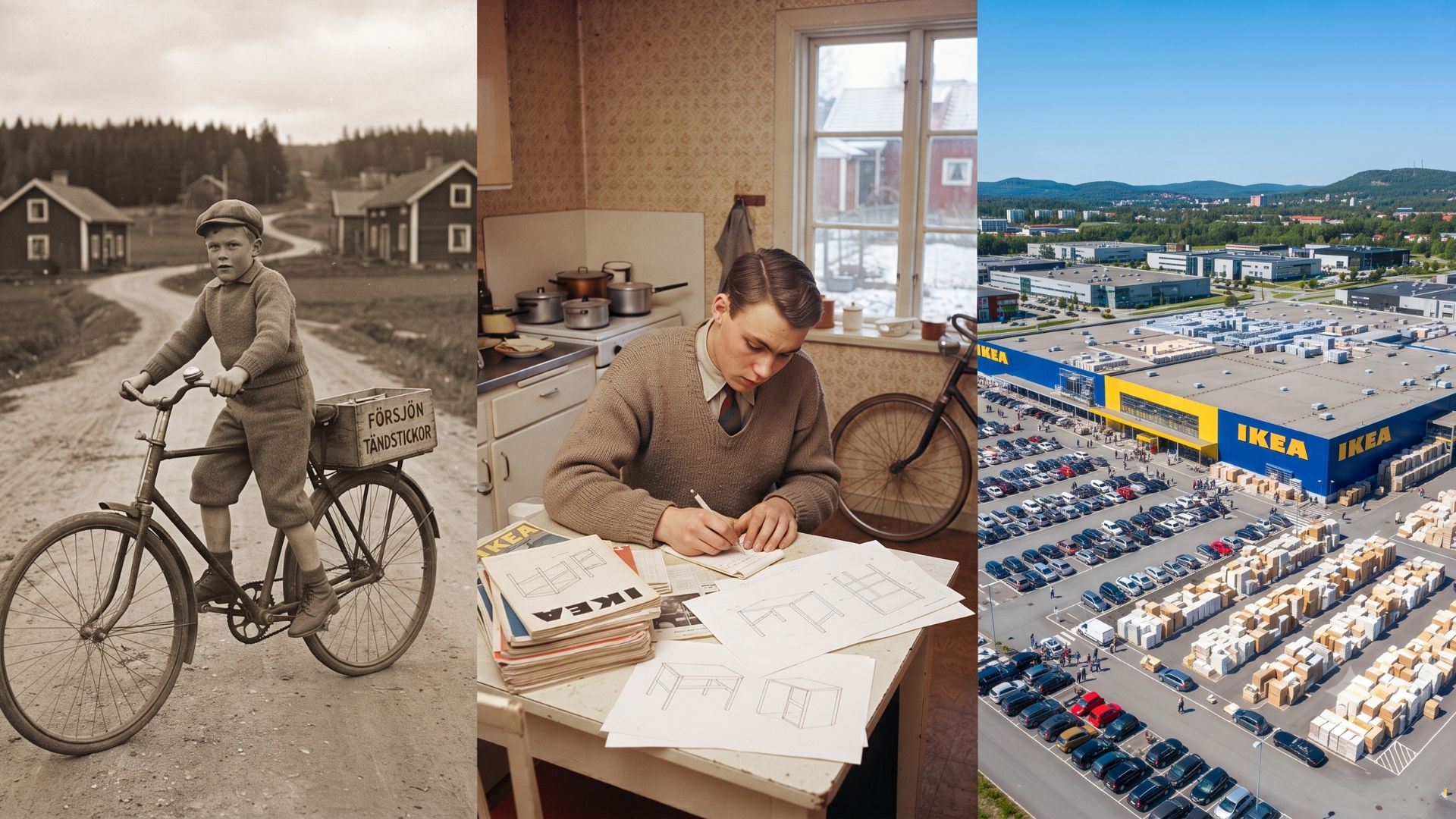
From matches sold by bicycle at age 5 to a global furniture empire: the lumberjack’s son founded IKEA at 17 in his uncle’s kitchen and transformed a small company into the largest furniture retailer on the planet.
-
The mansion in Flamengo, built in 1865 for the Baron of São Clemente and closed for 20 years, has become a spa, event hall, and gym for “Symphony,” a luxury condominium that sold 70% of its gross development value in the first month on the R$ 60 million land of the former Bennett College.

-
The Ipiranga convent, a 1924 building adjacent to the Museum that remained vacant for a decade and became home to dozens of cats, is reborn as “Alma Mater,” a luxury development worth R$ 130 million with a pool in the courtyard and a clubhouse in the former nuns’ chapel.




Ukraine’s air defense gains reinforcement with Gepard
Within the current context of the conflict, the initiative expands the European effort to strengthen Ukraine’s air defense against the intensive use of drones, missiles, and other short-range threats frequently employed by Russian forces.
In this specific scenario, the Gepard regains prominence by combining mobility, its own radar, and 35 mm automatic cannons, offering a more efficient response against low-cost targets compared to systems that rely exclusively on missiles.

Unlike more modern and expensive platforms, the system allows engaging drones and similar threats without the need to use sophisticated interceptors, which directly contributes to resource savings in a prolonged conflict.
For this reason, the equipment has come to be seen as a practical solution in an environment where unmanned aerial vehicles play a central role in offensive and defensive operations along the front line.
Even though it was developed in the 1970s by a German consortium, the Gepard remains relevant when subjected to proper maintenance, especially in scenarios requiring a rapid response against low-altitude threats.
Currently, Ukraine already operates units of the system supplied by other European countries, using them primarily for the protection of cities, troops in the field, and strategic infrastructure.
Systems had been deactivated since the 2000s
Originally integrated into the Belgian arsenal, these systems were withdrawn from active service in the early 2000s, remaining out of use for a long period before being transferred to the private sector.
Subsequently, the vehicles were sold to the company Sabiex, which was eventually incorporated by OIP Land Systems, consolidating ownership of the equipment under the current structure of the company involved in the negotiation.
With the new decision, Belgium opts to reacquire equipment that was once part of its own armed forces, demonstrating a strategy based on the reuse of previously discarded military assets.
This move highlights how deactivated Cold War stockpiles have regained importance, especially given the need to accelerate deliveries and reduce the time between political decisions and practical deployment on the battlefield.
To date, no official details have been released regarding the unit cost of the systems, the amounts involved in the revitalization process, or the full timeline for the delivery of the equipment to Ukraine.
Similarly, the exact date when all 15 units will be ready for operational use after the completion of the recovery stages remains publicly unconfirmed.
How the Gepard anti-aircraft system works
Designed as a self-propelled system, the Gepard is mounted on an armored chassis and equipped with two 35 mm automatic cannons, capable of firing at a high rate against short-range aerial targets.
Additionally, the vehicle incorporates **search and tracking radars**, allowing it to detect, track, and engage moving threats, especially those operating at low altitude and with a smaller thermal or radar signature.
In operational practice, the system is used against drones, helicopters, low-flying aircraft, and cruise missiles, playing a specific role within closer layers of air defense.
This capability reduces the reliance on more expensive missiles, contributing to a more rational use of resources in scenarios of prolonged combat with a high volume of less complex aerial attacks.
However, reactivating the Gepard requires not only the recovery of the vehicles but also the availability of adequate ammunition, continuous maintenance, and specialized logistical support to ensure efficient operation.
For this reason, the process includes technical tests, component replacement, parts supply, and operator training, ensuring that the system can be consistently employed in real combat conditions.
Belgium bets on old stocks to accelerate delivery
By opting for existing systems, the Belgian government signals a strategy focused on rapid delivery, avoiding exclusive reliance on the production of new equipment at a time of high demand in the European defense sector.
Currently, the industry faces limitations in rapidly expanding arms manufacturing, which makes alternatives like reactivating existing stocks a viable short-term solution.
Thus, resorting to stored vehicles shortens the interval between political decision and effective delivery, a factor considered critical given the urgent needs presented by Ukraine.
Other European countries have adopted a similar approach, reviewing depots, old contracts, and deactivated military inventories in search of equipment that can be repurposed.
Within this context, the **€1 billion package approved by Belgium** is part of a broader set of military support measures for Ukraine, involving different types of assistance.
Additionally, the Belgian government has already announced further commitments, including financial support, equipment shipments, and the future transfer of F-16 fighter jets, conditioned on the renewal of its own air fleet.
War redefines the value of systems considered obsolete
With the advancement of the conflict, the perception of equipment considered outdated has undergone significant changes, especially given the effectiveness demonstrated in specific combat scenarios.
Systems like the Gepard have become valued for their ability to respond to current threats, especially when low-cost drones demand equally cost-effective solutions.
Still, these pieces of equipment do not replace modern long-range systems but act complementarily within a broader multi-layered air defense architecture.
In this arrangement, platforms like the Gepard assume the role of protecting nearby areas, preserving sophisticated missiles for more complex or longer-range targets.
For Ukraine, each additional unit can contribute to the protection of military positions, urban centers, and critical infrastructure, expanding the response capability against continuous attacks.
At the same time, the effectiveness of these systems will directly depend on the speed of recovery, the supply of ammunition, and adequate maintenance throughout their operation.
Finally, the Belgian decision reinforces the strategic role of European stocks in the current context, demonstrating that equipment stored for decades can once again play relevant roles in contemporary war scenarios.