






 Portuguese
  Spanish


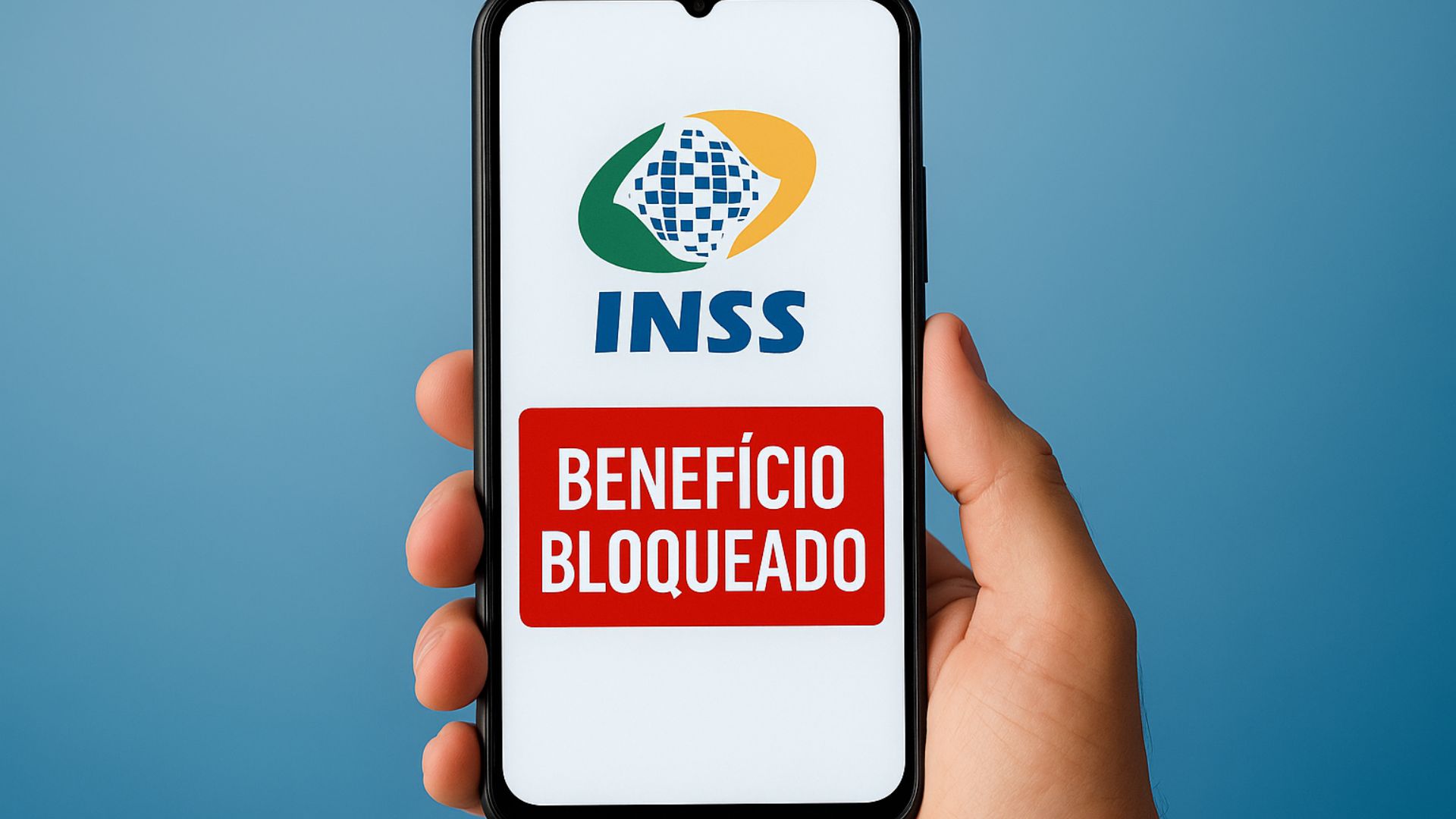

Four Million Beneficiaries Were Notified by INSS to Complete the Proof of Life. The Deadline is 30 Days from the Notice, and Those Who Do Not Complete the Procedure May Have the Benefit Blocked Immediately.
The National Institute of Social Security (INSS) notified approximately 4 million beneficiaries who need to complete the Proof of Life within 30 days from the notice. Failure to comply with the deadline may result in temporary payment blockage.
The notifications are being sent via bank statement and the Meu INSS app.
Who Needs to Complete the Procedure
The summons was directed only to policyholders whose proof of life could not be validated automatically by government systems.
-
Brazil’s 2026 Tax Refund: Record 9.58 Million Filers in Largest Payout Ever, But a Key Detail on Priority Recipients Draws Nationwide Attention

-
Itaú Alters Hybrid Work Model, Increasing Office Days from 2028, Prompting Employees to Adjust to New Routine
-
Facing Labor Shortage, Japan Plans to Invest $34 Million to Attract Foreign Workers in Construction, Healthcare, Industry, and Commerce

-
Brazilian City Makes Remarkable Leap, Becomes 4th Wealthiest in the Country with GDP of R$ 134.1 Billion




In these cases, it is necessary to complete the procedure through the indicated channels. The deadline starts counting from the date the notice is issued.
According to INSS, automatic verification depends on cross-referenced information in official databases, such as bank transactions, vaccination records, and use of public services.
When this data cannot be located, the system is unable to confirm compliance and the beneficiary is summoned.
How Automatic Proof of Life Works
Since the adoption of the new model, Proof of Life is done automatically for the majority of beneficiaries, without the need for in-person attendance.
INSS data shows that more than 30 million policyholders have had their situation validated by this system, representing approximately 80% of total active benefits.
The institute states that the method reduces travel and simplifies control, as the verification is based on official federal government information.
How to Regularize the Situation
Notified beneficiaries can complete the Proof of Life in three ways.
The main way is through the Meu INSS app, logging in with a gov.br account and following the instructions for facial recognition, when prompted.
Another option is to perform the procedure directly through the bank’s app or website that processes the benefit payment, if the service is available.
It is also possible to attend the responsible bank agency in person and present a government-issued photo ID.
How to Identify the Notification
According to INSS, the notice is sent through the Meu INSS app and the monthly bank statement.
From the moment the message is received, the 30-day timeline begins.
The agency recommends that the procedure be completed as soon as possible to avoid blockages and delays in payment.
Situation of Those Who Weren’t Notified
Policyholders who did not receive a summons message do not need to take any action at this time.
INSS advises that monitoring should be done periodically through official channels, but only notified cases require manual verification.
The requirement applies to beneficiaries of retirement, pensions, and temporary disability benefits lasting more than one year.
The agency emphasizes that as long as the Proof of Life is valid, there is no need for new verification.
Consequences of Non-Compliance with the Deadline
If the 30-day deadline expires without completing the Proof of Life, the benefit payment will be blocked until the situation is regularized.
The procedure is required annually and aims to confirm that the beneficiary is alive, preventing unwarranted payments and fraud in the social security system.
Social security experts explain that periodic verification is an administrative measure adopted by various social security systems worldwide, aimed at ensuring the correct allocation of public resources.


How to Check Your Situation
When accessing Meu INSS, users can check the status of their benefit and the history of verifications in the “Proof of Life” section.
If there is a pending issue, the system will indicate the need for confirmation and, if applicable, will initiate facial recognition.
If the app malfunctions, the recommendation is to try again later or seek assistance from the paying bank.
The beneficiary can also contact the Central 135, which operates from Monday to Saturday, from 7 AM to 10 PM.
Care to Avoid Scams
INSS warns that it does not make direct contact with beneficiaries to request the Proof of Life, nor does it ask for passwords, personal information, or copies of documents.
The institute also does not send staff to homes to perform the procedure.
If the policyholder receives messages, calls, or visits that make such requests, they should disregard the contact and report the occurrence to official channels.
According to the Federal Police and INSS, social security frauds often occur through false messages simulating notifications from the agency.
Therefore, it is essential for policyholders to use only official channels — Meu INSS app, gov.br portal, and Central 135.
Importance of Updating
The Proof of Life is an annual requirement for those receiving long-term benefits, such as pensions and retirements.
According to INSS, the goal is to ensure that pension funds reach those who truly have the right to them, maintaining the integrity of the system and the regularity of payments.
The measure was incorporated into the government’s digital routine and began using different sources of official data, which, according to the institute, contributes to greater accuracy in control.
Special Situations
Beneficiaries with mobility difficulties or technological limitations may enlist family members or legal representatives to perform the procedure, following the guidance of paying banks.
If the benefit is blocked due to lack of verification, payment is reactivated after regularization, according to each financial institution’s timelines.








